For players who grew up in the late 1990s and early 2000s, role-playing games had a certain rhythm to their gameplay. You explored towns, entered dungeons, fought battles, and traveled between locations in a structured way. It created an expansive sense of scale that used its size to show the imagination of the world and the pacing of its narrative. It is a game design style that I remember from many of my favorite RPGs growing up.
Videos by ComicBook.com
However, over time, that design has all but disappeared. Modern RPGs now favor seamless exploration, massive landmasses, and constant visual fidelity that favors open worlds. As a result, overworld maps have been lost to time. This isn’t because there is a problem with the idea, but because the industry and players have moved on to something else. Yet not all hope is lost for overworlds, as some key games still show their strength.
Overworlds Have Been Replaced With Open Worlds
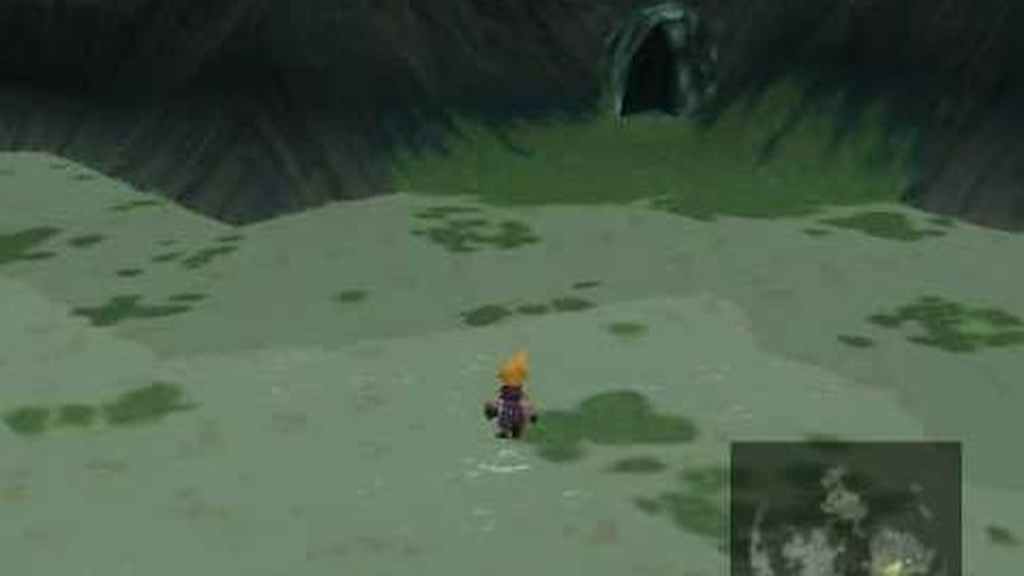
For decades, overworld maps were the backbone of Japanese RPG design. Games like Final Fantasy VII, Final Fantasy IX, and Chrono Cross used stylized world maps to convey the vastness of their settings without rendering every inch in full detail. Traveling across continents, discovering hidden locations, and unlocking new paths was a core part of the experience. The overworld gave players a bird’s-eye view of the journey, reinforcing the idea that they were traversing an entire world rather than a single continuous space.
This approach was not limited to Square titles. Games like Tales of Symphonia and Tales of the Abyss relied on overworld traversal to control pacing and storytelling. Developers could gate progress naturally, introduce new transportation methods, and create a sense of progression that felt earned. When you gained access to an airship, it felt transformative because the map itself changed. It also helped emphasize key moments. I’ll never forget the first time I encountered the Midgar Zolom and desperately ran away from it.
The shift away from overworld maps began as hardware improved. As consoles became more powerful, Western developers pursued immersive open worlds that removed loading screens and abstracted travel, and Japanese studios followed suit. Even franchises that once defined the overworld concept moved on. Final Fantasy VII Remake abandoned the original’s world map structure in favor of a more cinematic open environment.
Open worlds offer freedom, but they also come with tradeoffs. Many modern RPGs struggle with pacing, filler content, and player fatigue. The loss of the overworld map removed an important layer of abstraction that once allowed developers to balance scale with focus. This transition has led to many games having unnecessary bloat and sometimes causes players to put a game down before completion.
Clair Obscur: Expedition 33 Nailed This Classic Concept
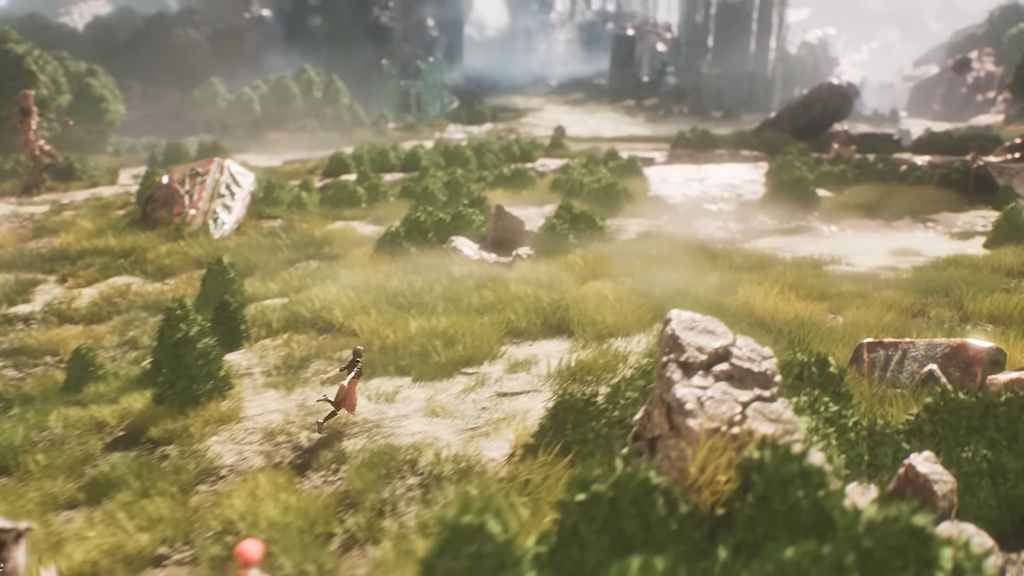
Despite its fall from grace, Clair Obscur: Expedition 33 utilized its overworld unapologetically and even won Game of the Year with this archaic design. Rather than chasing the endless sprawl of modern open worlds, it returns to a stylized, intentional approach to exploration. The overworld acts as a connection between handcrafted locations, giving players clarity without sacrificing wonder.
What makes this approach so effective is how it respects player time. Moving across the map feels purposeful, and each location is distinct. Traveling from point to point reinforces narrative progression rather than wandering aimlessly. You are moving toward something meaningful, and this echoes the design philosophy of classic RPGs, where the journey itself carries narrative weight.
The game also modernizes the overworld concept rather than replicating it. The map is not just a menu with icons. It feels alive, reactive, and integrated into the broader experience. This balance between old and new is why Clair Obscur: Expedition 33 resonates so strongly with longtime RPG fans and could kick off a renaissance of turn-based RPGs.
This is not an isolated case either. Dragon Quest VII Reimagined also leans back into overworld-style exploration, showing that multiple developers see value in revisiting this structure or keeping it intact. These games demonstrate that the problem was never the overworld itself, but how the industry moved away from it.
Overworlds Still Have A Place In RPGs
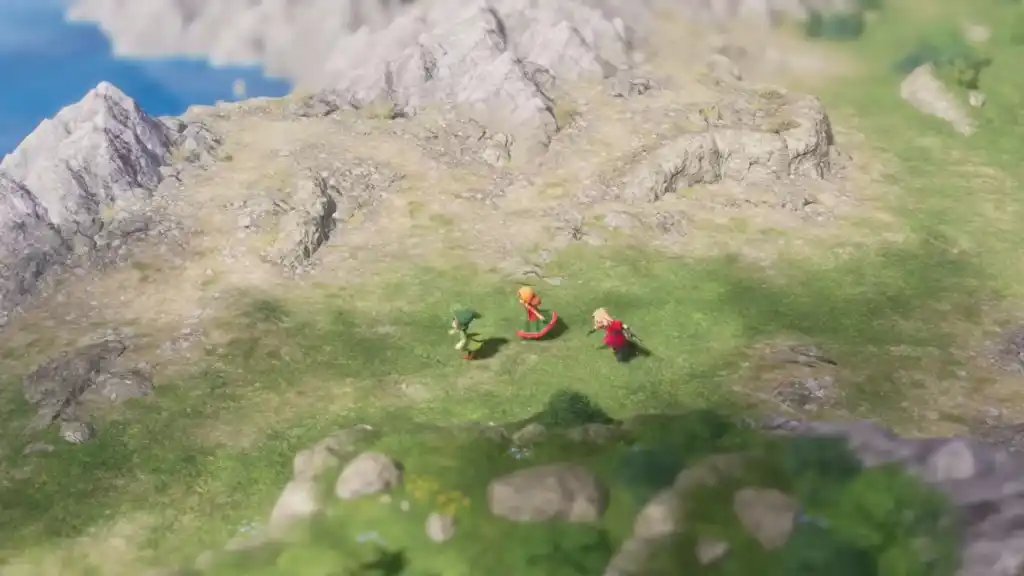
Clair Obscur: Expedition 33 proved that overworlds are still valid and belong within the RPG genre. This design excels at pacing, structure, and clarity, both in gameplay and narrative. It allows developers to control the flow of a game, introduce mechanics gradually, and evoke a sense of expanding adventure. More importantly, it doesn’t overwhelm the player with the endless possibilities and countless objective markers that have become common in open-world RPGs.
From a storytelling perspective, overworlds also encourage imagination. Seeing a mountain range or distant island on a map sparks curiosity in a way that fully rendered environments sometimes fail to do. It invites players to project their own sense of scale and mystery onto the world. This was a defining quality of 2000s RPGs and one of my favorite parts about the RPGs I grew up with.
Some of my strongest RPG memories involve overworld moments. Discovering secret islands in Final Fantasy VII, unlocking new continents in Final Fantasy VI, or traveling between regions in Tales of the Abyss felt like milestones. Those moments mattered because the overworld made them visible and tangible. Modern open worlds have taken away some of that sense of mystery and grandeur.
The success of Clair Obscur: Expedition 33 shows that overworld maps are not relics of the past. When integrated successfully, they can coexist with modern design sensibilities and even improve them. As RPGs continue to evolve, the genre does not need to choose between old and new. Overworld maps once defined what it meant to embark on an epic journey, and one of 2025’s best RPGs proved that it still works.
What do you think? Leave a comment below and join the conversation now in the ComicBook Forum!
Most Viewed
-

Image Courtesy of TOHO -

Image Courtesy of Crunchyroll -

Image courtesy of Marvel Studios -

Image Courtesy of Marvel Comics