Arguably the biggest story in gaming right now revolves around PlayStation, who decided to make a number of choices surrounding how its brand will evolve in the next few years. This comes shortly after a massive restructure about to take place at rival company Xbox, whose approach to gaming is changing through significant layoffs and studio closures. However, much like Microsoft, Sony’s approach to adapting to the shifting market has led to immediate and visceral backlash due to how impactful its decisions might be.
Videos by ComicBook.com
The production budget of AAA titles and the cost of game creation has only grown in recent years, especially due to the rise of AI driving up the cost of manufacturing across all technology-driven industries. PlayStation has responded to this in a number of ways, firstly by raising the price of its current PlayStation 5 console across every market. As AI data centers continue to drive up costs, various methods of controlling what players own on PlayStation hardware has also been a priority of Sony, culminating in their recent announcements.
PlayStation’s Plans To End Physical Disc Production By 2028 Is The Endpoint Of Other Company Trends
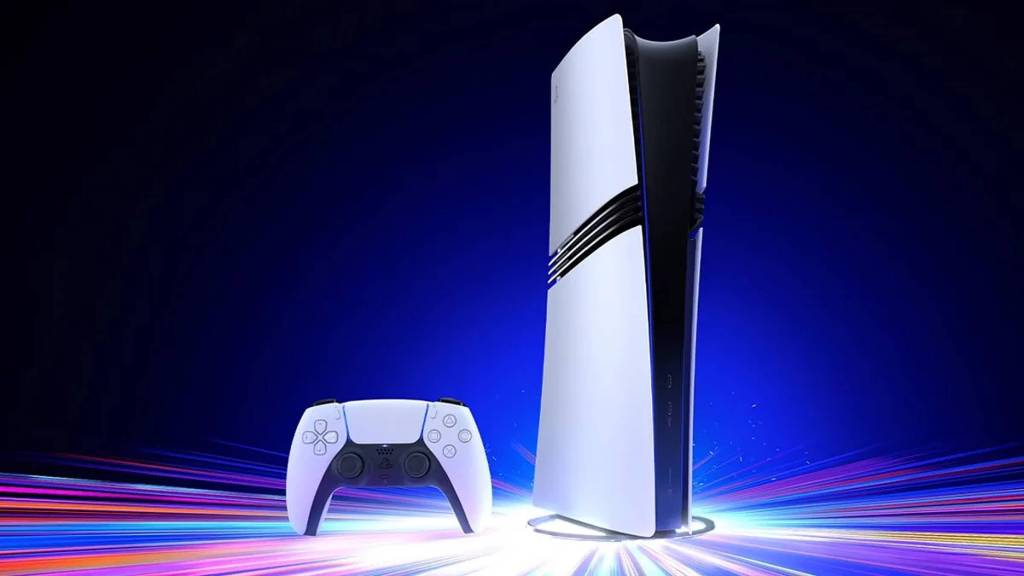
In a PlayStation Blog post on July 1, 2026, PlayStation announced that the company planned on shifting away from physical game releases, with plans to move everything to a digital format by 2028. According to PlayStation, this was due to “shifting trends in consumer preference,” with references to trends within the broader entertainment industry as well. New games would be planned to launch solely on the PlayStation Store and at various retailers in digital format only, likely through codes players get over the counter.
This was also reflective of Sony’s internal preference, if the quotes from the post are anything to go by. Although meant to “align more closely with how most of our [PlayStation’s] community prefers to access and play games today,” this choice sparked insane backlash across all players. Players of PlayStation, Xbox, Nintendo, and especially PC titles were angry across the board, and it’s easy to see why when you look at how all companies have been moving away from physical gaming over the years.
Xbox’s insistence to download games from Xbox Game Pass is well-known, but Nintendo’s higher cost on physical games has also harmed that “traditional” method of acquiring new titles. Nintendo sometimes charges you up to $10 more for a physical card of a game, which has been formatted in tough to upkeep ways ever since the arrival of handheld systems like the Nintendo DS. Both companies have tried to put extra costs on buying physical games, whether it’s through actual price points or introducing inconveniences toward getting a physical title.
Obtaining Games In-Person To Share With Friends Has Been Getting More Difficult For Years
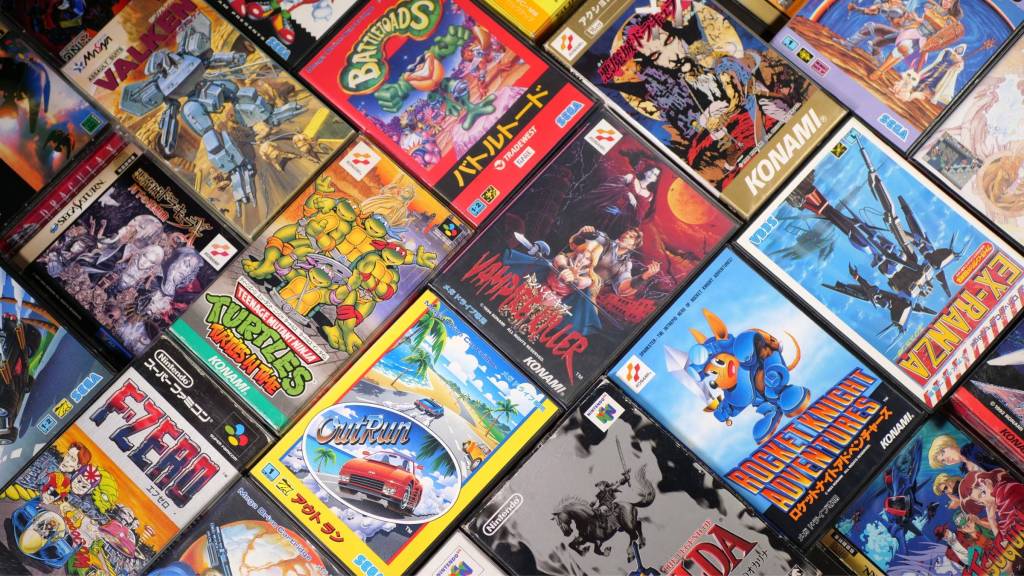
Companies have long refused to re-create older titles into physical formatting again, usually restricting re-releases, remasters, or new collections in physical ways. This has created situations where obtaining an older title is almost impossible, with their solely physical existence driving up their cost to ridiculous levels. To put things into perspective, a physical cartridge of Pokemon Emerald can cost somewhere between $200 to $280, but the recently digitized Pokemon LeafGreen or FireRed from the same Generation is now simply $19.99 on the Nintendo Switch 2’s digital store.
Retailers have also been far less likely to carry recent titles, reflecting a larger decrease in physical media across platforms. Second-hand pricing on some physical games can get ridiculous, with an average retailer sometimes selling a decade old game at full price due to its physical status. Digital distribution is, simply put, much easier for players to engage with. As a result, despite the collective value and less strain of storage physical games can offer, digital games have been leading the trends that caused PlayStation’s controversial decision.
Online Services Shift Ownership Of Games To Companies Who Can Take Them Away At Any Time
PlayStation is unlikely to shift their stance on physical games, marking a potential end to a gaming trend that has lasted long before the first Sony console ever came out. There are many problems with fully digital games, but one of the biggest is how it shifts ownership of new titles from players to larger companies. Instead of players being able to purchase a title and have the disc for it, they now must jump through several hurdles to download it and play.
Some titles already restrict play by forcing players to have an online connection, a PS+ subscription, or some other third-party software installed. Developer Ubisoft, a company who has many titles on various PlayStations, once caught fire for stating “players shouldn’t own their games,” a statement that Sony seems to be adopting more and more. Consumer rights are more complex through sole digital systems, as many can see now with the restrictions behind what you can and can’t play in Xbox Game Pass.
Some other problems tied to digital only gaming include:
- Preservation of older titles becomes increasingly harder.
- Games could be discontinued from digital stores at any time, leading to them being lost forever.
- Console exclusive cancellations go away without recovery.
- Authorization or subscription services may be required to access certain games.
- Digital only games have higher storage space needs, driving up prices for consoles that need extra storage to accommodate newer releases.
Digital games are volatile when it comes to copyright and ownership, and takes away some of the charm that comes with physical gaming as a whole. Although physical games are harder to get these days, they still represent a historic connection to the medium, in the same way that owning your favorite movie or TV series collection means you can watch it whenever you want (instead of having to pay for a streaming service). It remains to be seen if other companies will adopt PlayStation’s strategy, but Sony’s choice could be a starting gun that causes others to follow suit.
What do you think of the physical gaming era possibly ending with PlayStation’s decision? Leave a comment below or join the conversation in the ComicBook Forum!
More Gaming
-

Image Courtesy of Ubisoft -

Image Courtesy of Dotemu -
Courtesy of Electronic Arts -

Image Courtesy of Electronic Arts -

Courtesy of Arkane, Bethesda Studios, and Marvel Games