
Thor is one of the most talked-about characters in the God of War franchise. From being whispered about in God of War 2018 to his intimidating presence in God of War Ragnarok and intense encounters with Kratos, he was meant to be an unforgettable figure in the Norse mythology series. Yet I can’t help but feel Santa Monica Studio did not use him to his fullest potential. There is so much backstory left unexplored and emotional depth that never found its proper stage in the mainline games.
Videos by ComicBook.com
What ultimately makes Thor so compelling is not just his raw power and ability to rival Kratos, but also the complex story of how he became the broken man he is. A prequel game exploring his origins and showing a journey similar to Kratos would be perfect to showcase this complexity. And now, with Ryan Hurst, Thor’s voice actor, playing Kratos in Amazon’s live-action adaptation, it feels like the most opportune moment to explore this spin-off game.
Thor’s Role in God of War and God of War Ragnarok
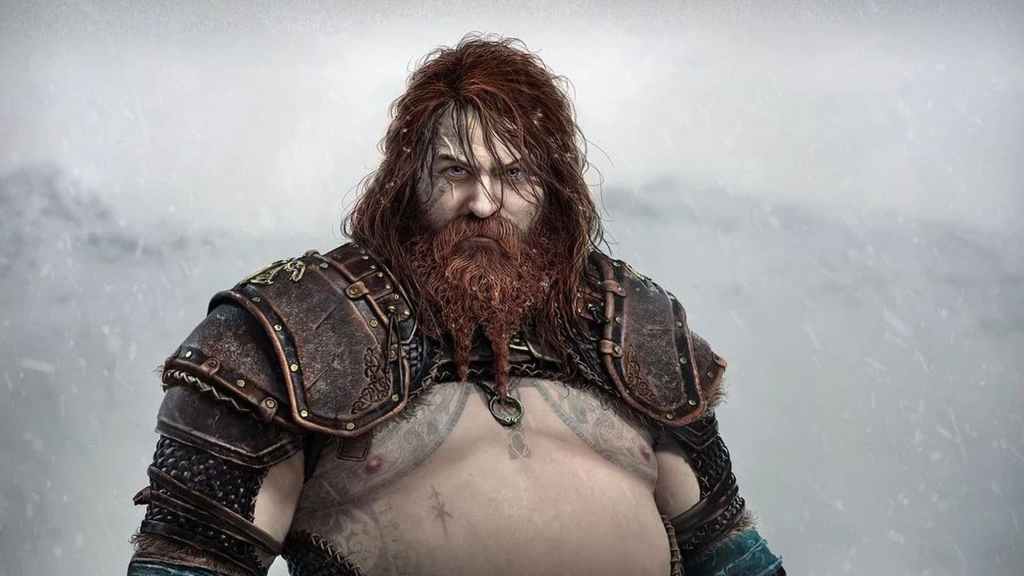
When God of War Ragnarok introduced Thor to players, he immediately struck a chord. Far from the MCU version, most gamers knew Thor as a towering, beautiful, comedic relief. However, Santa Monica Studio turned to Norse mythology when shaping God of War: Ragnarok’s antagonist, Thor, who is heavyset, damaged, and a force of nature. Ryan Hurst brought him to life, showing he was not just a caricature of lightning effects and charm, but a deeply flawed warrior driven by loss and rage. Hurst’s performance grounded Thor in a way that was both terrifying and tragic, making him one of the best characters in the series, even if the story around him fell short.

But in Ragnarok, Thor’s biggest beats were largely reactive to Kratos and Atreus. He existed as an obstacle, an adversary, a looming final boss figure rather than as a fully fleshed character with his own journey. Fans saw glimpses of his inner turmoil, his brooding resentment for Odin, and echoes of a more complex story, but we never got this. Thor’s life was shaped by violence, manipulation, and duty, but these elements remained in the background rather than driving forces.
This version of Thor had all the ingredients of greatness, but was used as a means to amplify Kratos’s arc rather than being given a narrative of his own. That feels like a missed opportunity, given how rich Norse mythology is and how compelling Thor’s characterization can be when written with depth. Perhaps part of the problem was that there was no third game in the series, one that could have helped flesh out Thor’s character more.
What a Thor Origin Game Could Include
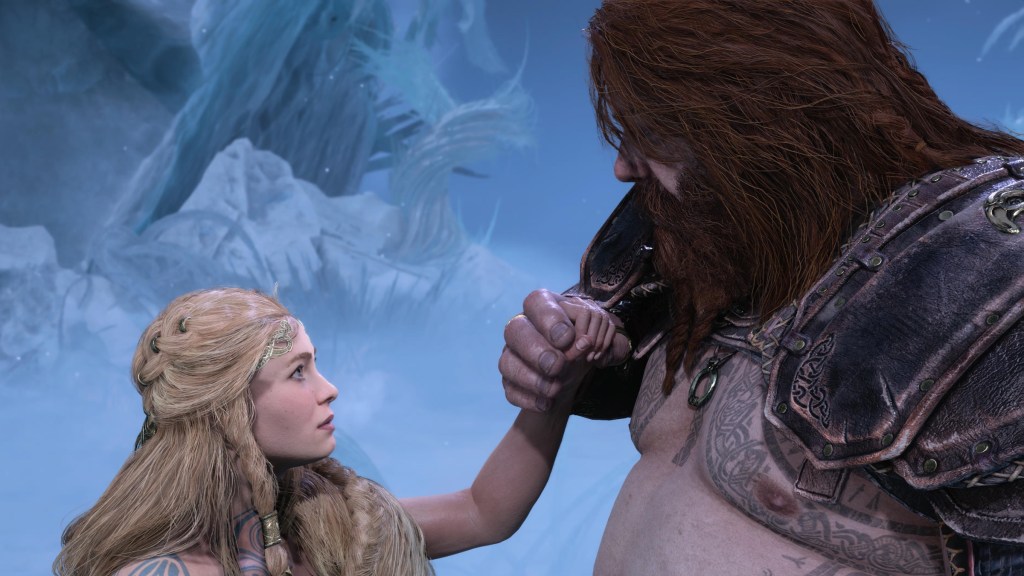
I’d love to see a game that explores the events before God of War through Thor’s eyes. Maybe this story begins with Thor trying to prove something to Odin to earn respect or avoid expectations. Early into the journey, perhaps he confronts the Giants and even battles Faye Laufey, the giant warrior whose strength clearly rivaled the gods and who some fans speculate engaged him fiercely in the past. We could also see a better depiction of his relationship with his wife, Sif. Such a game could not only explore Thor’s origins, but also give more depth to the events leading up to the games and show how destructive Odin is.
The game could dive deep into Thor’s perspective during pivotal war campaigns against the giants, portraying how each conquest and loss chipped away at his sense of self. Instead of learning about these events through exposition, the player could live them: fighting as Thor against towering foes, exploring the frozen wilds of Jotunheim, and even confronting the moral cost of his actions. Such a narrative focus would allow the franchise to explore why Thor became the god we meet in the mainline games and what it cost him personally.
This origin story could incorporate key Norse mythological elements like his battles with Hrungnir, a stone giant slain by Thor in ancient lore, or his complicated relationship with Odin. The series is renowned for its combat, and Thor is perfect to showcase brutal boss fights. With Hurst’s talent, we could see a version of Thor who is not just a hulking boss fight but a god with agency, emotion, and stakes. We know how Kratos became the god he is, and Thor deserves just as much of a chance to do so.
The Future of God of War and Expanding the World
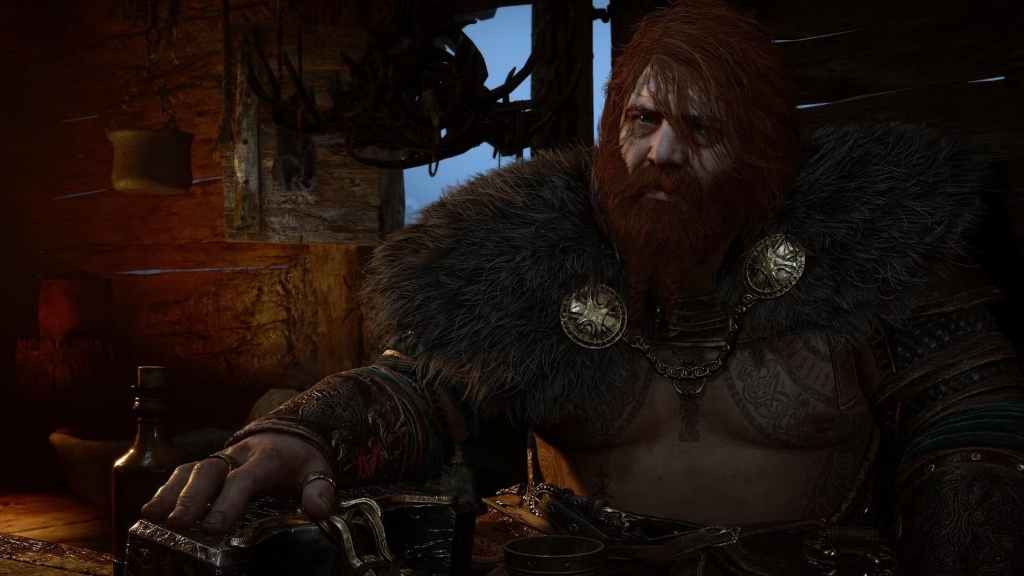
Sony and Santa Monica Studio have already shown that God of War is more than one story with the potential for spin-offs, prequels, and deep dives into other characters. A Thor origin game could be the first of many projects that broaden the God of War universe beyond Kratos and Atreus while keeping the emotional storytelling the series is known for. With speculation about the next game at an all-time high, something unexpected like this would be a great way to bridge the gap before Ragnarok and God of War 6.
Moreover, a Thor prequel does something important for the franchise. It enriches the Norse mythology at a time when adaptations like the upcoming TV series are bringing this world to even broader audiences. It opens space for other characters like Freya, Odin, or even Faye herself to get more exposition. Spin-offs can show how interconnected the realms are, how prophecy and fate weave through every life, and how gods and mortals alike grapple with legacy and loss.
Giving Thor his own origin game is not just fan service but smart world-building and marketing. It acknowledges that the God of War universe is bigger than any one character and that there are untold stories worth telling. It gives players a reason to revisit this mythic era from a fresh angle and deepens our understanding of a character many already love. The franchise has set a high bar in storytelling, and it is time it lived up to that standard for Thor, too.
What do you think? Leave a comment below and join the conversation now in the ComicBook Forum!
