Indie games have come a long way over the past decade, and I’ve played more than my fair share of them. What was once a niche type of game has now grown into a genre that stands above the rest and even rivals AAA titles. But I remember the first few indie games I played and how influential they were for me. What drew me in was the atmosphere, design, and simple but effective concepts. Even now, many developers are still chasing what those games achieved.
Videos by ComicBook.com
That is why recent releases like Reanimal and Little Nightmares 3 feel so familiar. They capture a tone and structure that immediately brings to mind Playdead and its critically acclaimed titles, Limbo and Inside. Limbo was one of the first indie games I played alongside Castle Crashers on my Xbox 360, and I loved it. Playdead’s second game, Inside, was equally as good, and I cannot wait to see what’s next. Yet, it has been almost a decade since Inside launched, and the studio’s third game is nowhere in sight.
The Legacy of Limbo and Inside
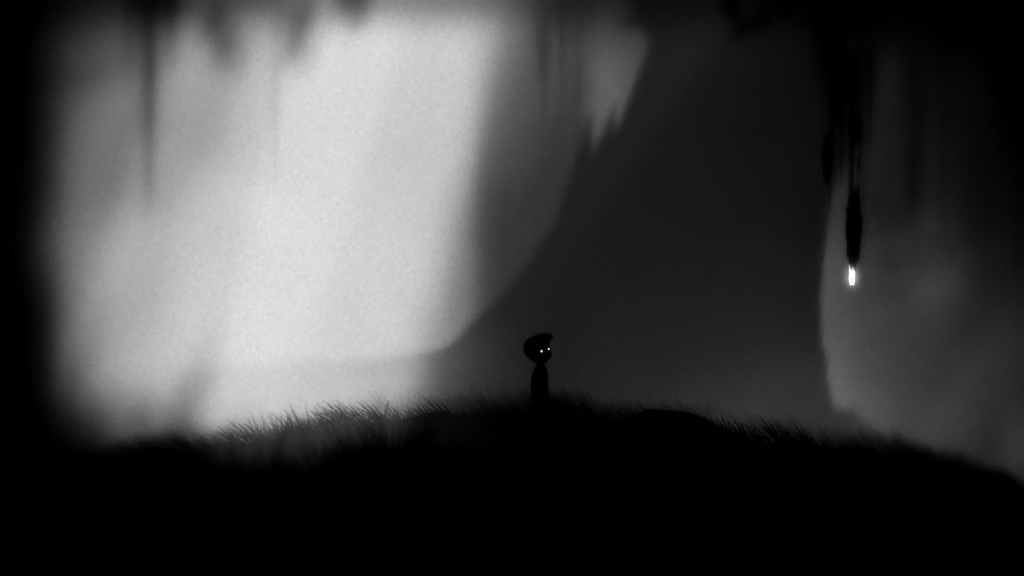
When Limbo was released in 2010, it quickly established itself as one of the most interesting indie games of its time. Its stark black and white visual style created an eerie atmosphere that felt unlike anything else. The minimal storytelling approach invited players to interpret the world on their own, making every moment feel personal. Even today, there are still debates about the game’s story, and it still sticks with me a decade and a half later.
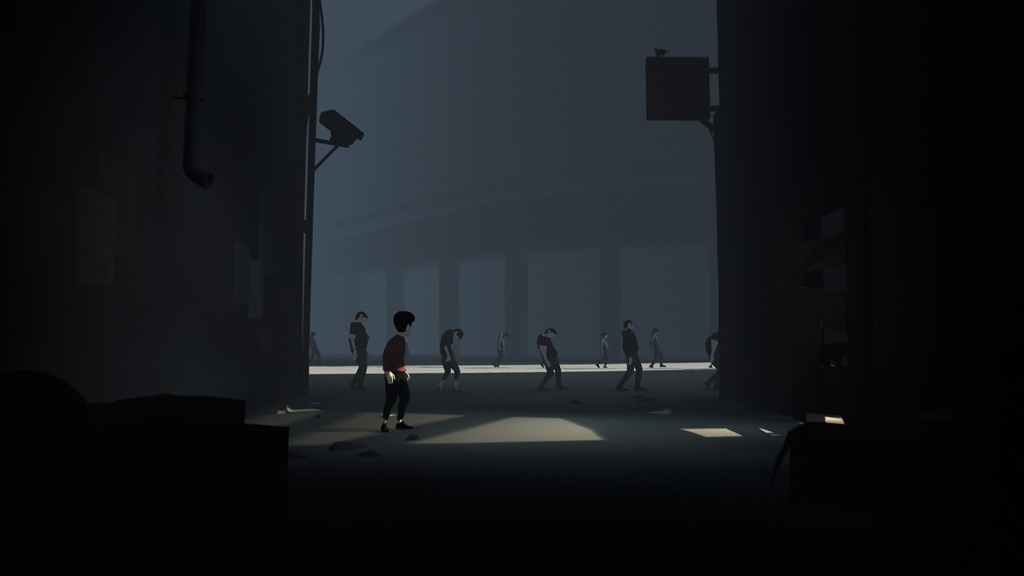
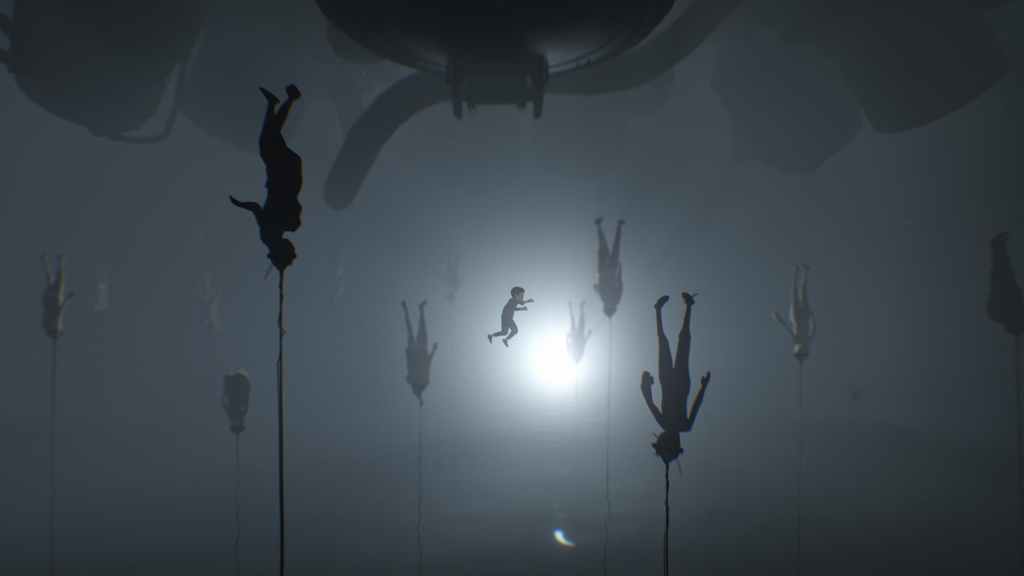
Inside was built on Limbo’s foundation in 2016, refining nearly every aspect of the formula. The visuals became more detailed while maintaining the same haunting tone. The puzzles were more intricate, and the narrative, though still subtle, carried a stronger sense of direction. It was widely praised by critics and players, often cited as one of the best indie games ever made. It still holds up today and offers new insights on repeat plays.
I still remember playing Inside for the first time and feeling completely absorbed by its world. There was no dialogue guiding me, no clear explanation of what was happening, yet I could not look away. That kind of design is rare, and it is why these games continue to be discussed years later. It reminded me so much of Limbo and why I fell in love with it in the first place. It’s easy to see how titles like Little Nightmares were influenced by their silent storytelling and somber world. Even AAA developers have taken note and incorporated some of these elements into their games.
The Long Wait For Playdead’s Third Game
Since the release of Inside, Playdead has remained mostly silent. The studio has confirmed that it is working on a new project, but details are limited. Over time, small pieces of information have surfaced, including concept art and hints about a science fiction setting that will make a shift to 3D environments. Playdead has also brought on new talent over the years, showing that work is still ongoing. Whether the influx of new hires is a good sign or not remains to be seen.
On one hand, this lack of updates has only increased anticipation. When a studio delivers two highly acclaimed games back to back, expectations naturally rise. Players are not just hoping for another good game. They are expecting something that pushes boundaries again. But the flip side of this is that there may be cause for concern, as Playdead’s third game could be stuck in development hell.
Despite the silence, there are clear signs that development is ongoing. It may not be visible to the public, but it shows that the project is still very much alive. I find myself checking for updates more often than I would like to admit. It’s not just curiosity, but hope that whatever comes next will capture that same sense of discovery. That feeling is hard to replicate, and it is why the wait feels so significant.
Playdead’s Impact On The Indie Scene
Even without a new release, the influence of Limbo and Inside can still be seen across the industry. Games like Little Nightmares and its sequel have carried forward that same blend of atmosphere and environmental storytelling. The success of these titles shows that there is still a strong demand for this style of game. Reanimal continues that trend, offering a similar focus on tension, exploration, and visual storytelling. It is clear that developers are still inspired by what Playdead achieved, speaking to the studio’s lasting impact.
What stands out most is how these games prioritize player interpretation. They do not rely on heavy exposition. Instead, they trust players to piece together the story through observation and experience. That approach creates a deeper connection and encourages discussion long after the game is finished. That is why players like me keep coming back to these games and want more. They stay with you, leaving questions that are never fully answered. That kind of design is rare, and it is something I hope Playdead’s next game continues.
As the industry continues to evolve, there is still space for games that focus on atmosphere and subtle storytelling. Playdead has already proven it can deliver that experience. Now it is just a matter of when it will do so again. Nearly a decade after Inside, that anticipation has not faded. Whenever that third game finally arrives, it will carry the weight of expectation, but also the excitement of seeing one of the greatest indie studios return.
What do you think? Leave a comment below and join the conversation now in the ComicBook Forum!
Most Viewed
-

Courtesy of Sony Pictures Animation / McDonalds -

Courtesy of Viz Media