Released January 13, 2009, for PlayStation 3, Nintendo DS, Microsoft Windows, and Xbox 360, The Lord of the Rings: Conquest effectively serves as a Lord of the Rings version of Star Wars: Battlefront. Developed by Pandemic, the title is a large-scale action game that puts emphasis on large-scale battles and “capture the flag” gameplay. While the game briefly had an online multiplayer presence, it also featured two single-player campaigns that helped players get used to the different classes of warriors.
Videos by ComicBook.com
Initially, players make their way through massive battles that retell the story of the cinematic trilogy, occasionally even shifting the player into a major hero role to finish out the fight. For an unlockable bonus campaign, however, the team at Pandemic decided to embrace their playable villains and created an “Evil” campaign. More so than many other grim potential timelines seen in video game adaptations of outside media, this worst-case scenario for the peoples of Middle-earth is memorable for just how horrifying and somber it is.
The Darkest Paths Can Sometimes Be The Most Interesting
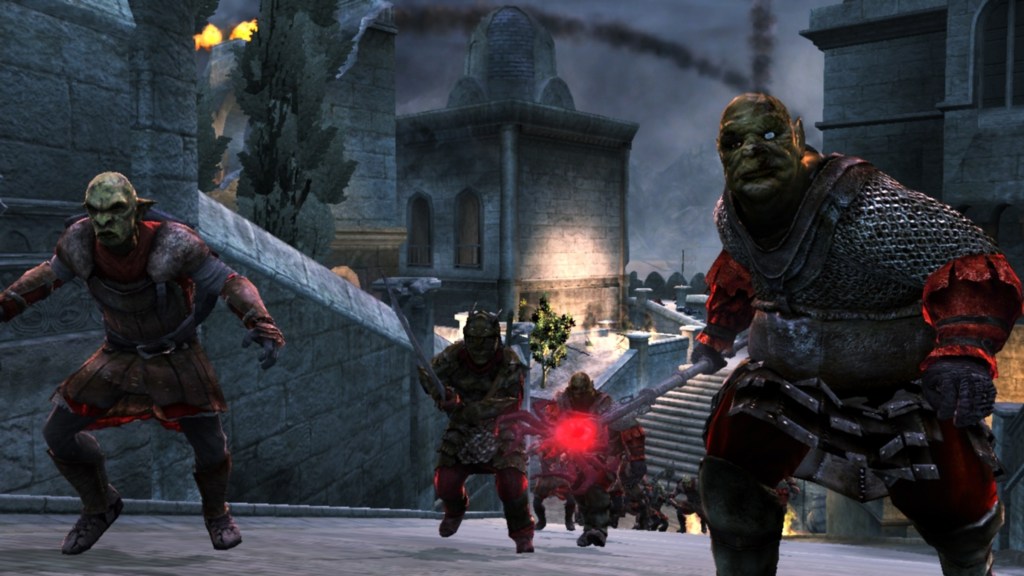
Video games that directly adapt other media can have a lot of grim fun by imagining dark alternative paths for the storyline, something The Lord of the Rings: Conquest nailed 17 years ago. After beating the main campaign that takes players through the canon events of the story, players unlock the “Evil” campaign. From a gameplay standpoint, it’s a good way for players to learn the mechanics of the villainous faction and characters, especially “Heroes” for that side, like Saruman or the Mouth of Sauron.
However, instead of revisiting classic battles from a different perspective, Conquest went a similar path to other games like Star Wars: The Force Unleashed or Dragon Ball: Sparking! Zero and played with a timeline where the heroes were overwhelmed and defeated. Those games typically have some grim fun with the concept, where the heroes go down in over-the-top fashion. Conquest went a different route. The result was a storyline, narrated by Elrond’s cinematic actor Hugo Weaving, that charts the fall of Middle-earth and the gruesome fates of the Lord of the Rings heroes in a much slower, more somber fashion.
How Middle-earth’s Worst-Case Scenario Plays Out Lord of the Rings: Conquest
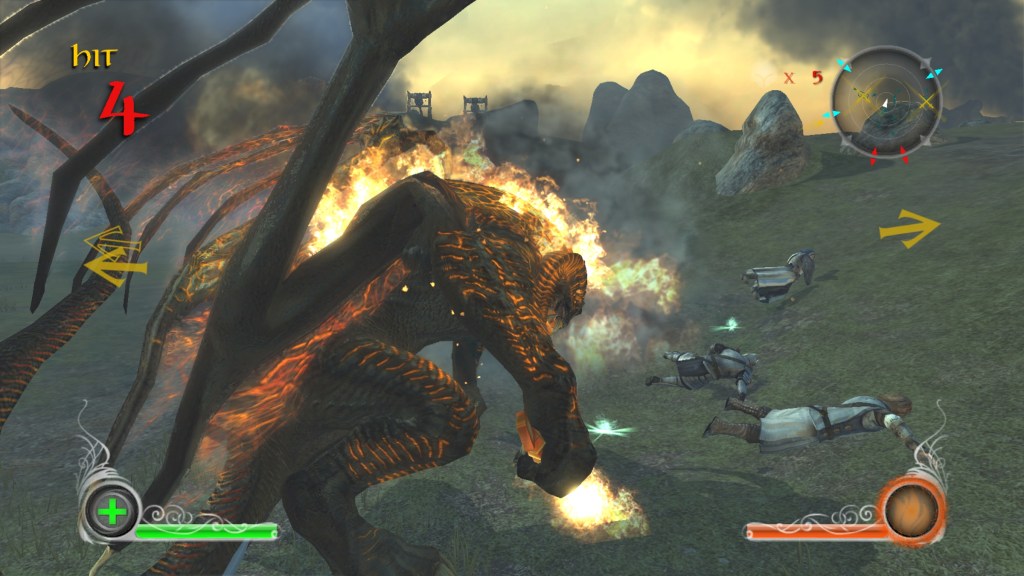
The evil campaign diverges from canon when Gollum fails to attack Frodo at the crucial moment when the Hobbit gives in to the influence of the One Ring. The Nazgûl quickly rush to Mount Doom, restoring the Witch-King and killing Frodo and Sam before they can escape the volcanic lair. Sauron is restored, forcing the heroes of Middle-earth into retreat. Each level that follows steadily destroys more landmarks and kills off heroes.
The Mouth of Sauron leads the charge on Osgiliath, where Faramir is slain. A restored Sauruman lays siege to Minas Tirith and burns the White Tree of Gondor to ash. A new Balrog rises from the depths of Moria, killing Gimli and his allies. Weathertop is the final stand of Aragorn, where he is slain by Saruman and his horde of Orcs. Sauron lays siege on Rivendell, where the Elves are overrun, and Legolas is slain. This leaves Elrond and the last Elves to retreat into hiding. The final level sees Sauron ransack the Shire and burn it to the ground. There, a Balrog lays waste to Treebeard and the Ents, Sauron’s forces kill the remainder of the heroes, and end the war by slaying Gandalf once and for all.
Why This Lord Of The Rings Ending Still Haunts Me
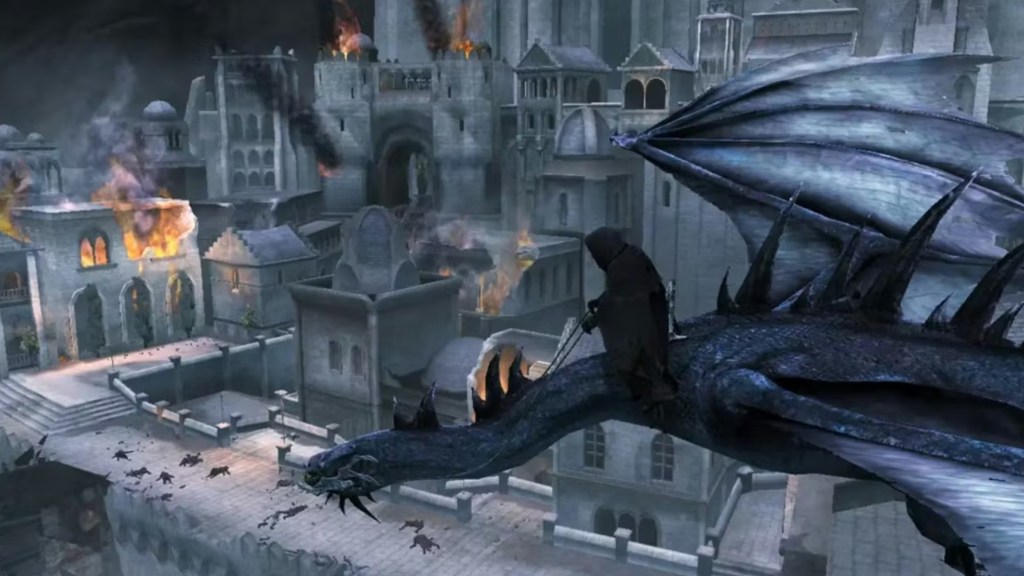
There’s a dark sense of grim curiosity that comes with villainous campaigns, especially if they let the players take on the role of the bad guy themselves. However, there’s usually a sense that the developers are leaning fully into the impulse to play as the victorious villain, with such over-the-top sights as Starkiller throwing Obi-Wan Kenobi into the engines of the Millennium Falcon in Star Wars: The Force Unleashed or Ganondorf claiming the full Triforce in Hyrule Warriors. Despite the chaotic action that dominates the gameplay, there’s a real somber edge to the villain campaign of Conquest. The cutscenes, which are re-edited footage from the Peter Jackson-directed film trilogy, is accompined with Elrod somberly telling the final story of a free Middle-earth. It’s given a growing sense of dour reflection, charting the shadow of Sauron’s reach as it creeps across Middle-earth.
It all shows the final stands of the heroes in a surprisingly effective way that never tries to have fun with the concept. The heroes die valiantly, but die all the same. The narration in particular is just sad, and Sauron’s triumph is treated with none of the gleefully commited of villainy of playing as Frieza in a Dragon Ball Sparking! Zero what if or becoming Titan Shang Tsung in Mortal Kombat 11. The ending of The Lord of the Rings: Conquest‘s “Evil” campaign sticks out for being such an emotionally somber story, where the players get to wipe out the heroes but then face the reality of their actions. Villain campaigns are a fun concept that more games should play with, but actually engaging with the emotional fallout of such a scenario is a great way to elevate them into something truly memorable.
Most Viewed
-

Image Courtesy of Netflix -
Image Courtesy of Ufotable -
Image courtesy of Warner Bros. Pictures -

Warner Bros. Pictures -
Image Courtesy of Netflix -

image courtesy of Studio Ghibli