Bungie was once regarded as one of the most renowned developers in the gaming industry. The Halo series remains one of the most beloved, but the attitude towards this legendary studio has shifted. This is partly due to frustration with the choices made in Destiny 2 and the controversies surrounding the upcoming extraction shooter, Marathon. Yet, outside of these, there is a major aspect of the game that has players worried, while others are excited at the possibilities.
Videos by ComicBook.com
With Marathon, Bungie has opted for a more hero shooter feel through Runner Shells. Most extraction shooters place all players on the same level playing field, allowing their personal skill and the gear they bring with them to be the deciding factor in firefights and survival. However, by relying on hero archetypes, Marathon is poised to change the genre forever. And it is this divisive decision that could determine whether Marathon has staying power.
Marathon’s Shells Are a Game Changer for Extraction Shooters
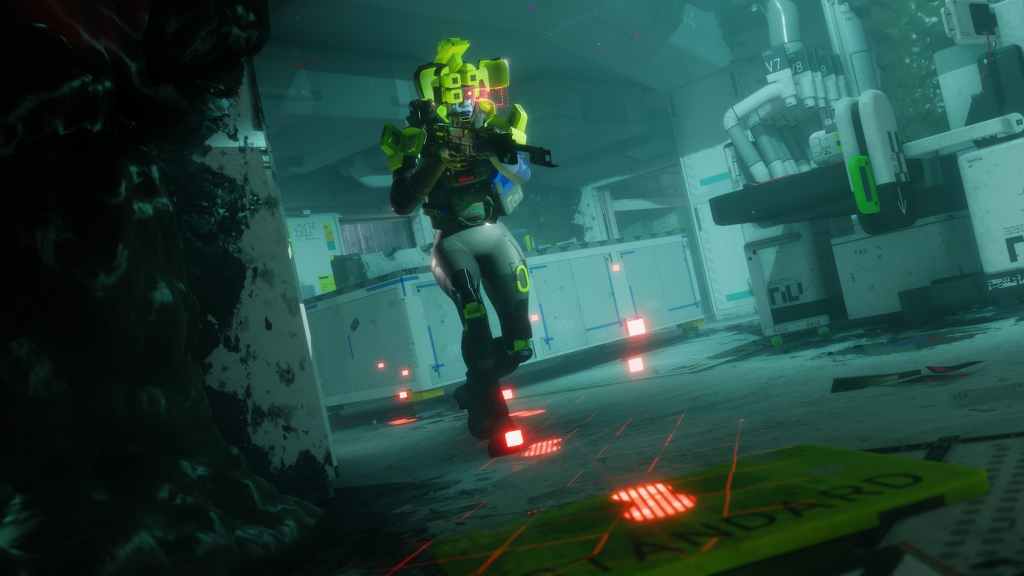
At a glance, Runner Shells might look like heroes in disguise, but Bungie’s implementation is more nuanced. Each Shell is built around a broad gameplay archetype such as intel gathering, combat disruption, or battlefield support. These archetypes give players a clear role without locking them into a single way to play. Just as important, each Shell has a distinct silhouette, allowing players to instantly read threats and make tactical decisions on the fly.

That visual clarity matters more than it sounds. In most extraction shooters, every encounter begins with uncertainty bordering on guesswork. In Marathon, recognizing a Shell lets you anticipate potential tools, whether that means tracking tech, mobility tricks, or area denial. It adds a layer of mind games before the first shot is fired. This wildly differentiates from other extraction shooters, where you’d have to read what gear a player is carrying to know their level of threat.
What really sets Shells apart is how deeply customizable they are. A Shell is not a rigid class. It is a foundation. Players modify their Shells through cores, implants, weapons, and mods, pushing each archetype in different directions. Bungie is not asking players to choose a role and locking them into it. Two players could select the same Shell and have completely different playstyles and options depending on what they equip and how they use their gear.
This One Decision Could Make or Break Marathon
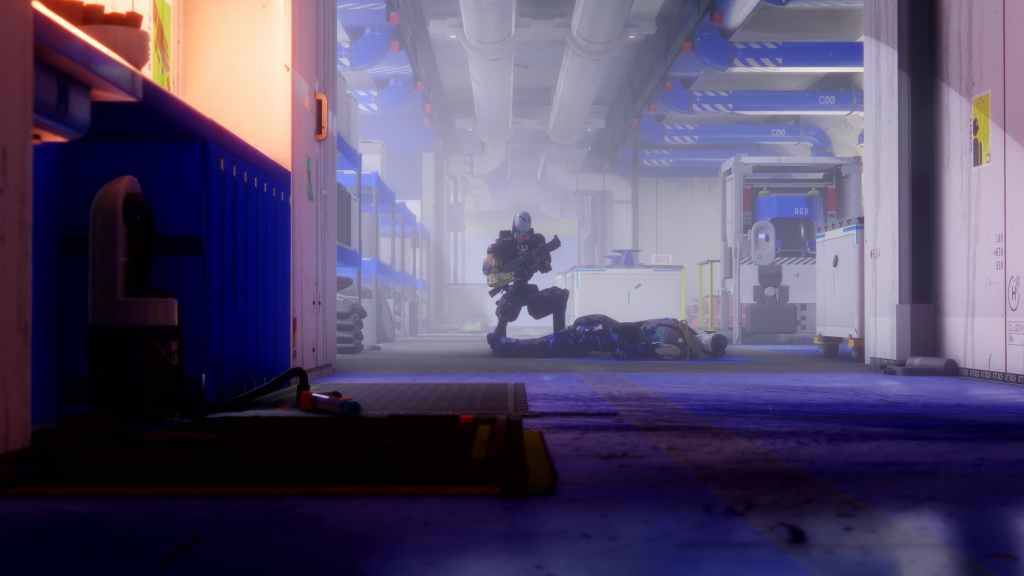
Shells are also the feature most likely to make or break Marathon. Extraction shooter purists worry that abilities will undermine the genre’s signature tension. Balance concerns are inevitable when players bring distinct tools into high-stakes environments. There is almost a guarantee that some Shells will hard counter others, possibly determining the outcome of an encounter before it even begins. Then there is the meta, and worrying about what Shells players will identify as the best.
Bungie seems aware of this risk and has designed its systems to emphasize tradeoffs rather than raw power. Cores and implants are the backbone of Shell customization. Cores are generally Shell-specific and modify how that Shell’s abilities function. Implants are universal, offering stat boosts and randomized perks that apply across all Shells. Higher-tier implants can even introduce fixed perks, such as pings that remain attached to enemies briefly after breaking line of sight. This layered system encourages experimentation without flattening differences between archetypes.
What excites me personally is how this design reframes failure and success. In traditional extraction shooters, death often feels like a hard stop. In Marathon, every run becomes a chance to theorycraft. You are not just asking whether you should extract, you are asking whether your build worked, what you could tweak, and how a different setup might change the outcome next time.
While this offers a wide array of ways players approach Shells and play them, I, along with many others, wish that this same level of customization were applied to our avatars’ appearance. With how incredible the art direction of Marathon is, it is a shame that players cannot express themselves through full customization. Still, from a gameplay perspective, it makes sense to lock this behind easily identifiable Shells, even if it is a shame.
Shells Offer Marathon Ever Changing Gameplay

The real strength of Runner Shells is how they keep Marathon feeling fresh. Each archetype supports multiple playstyles depending on how players combine cores, implants, and gear. A movement-focused shell can be tuned for extreme traversal or repurposed into a disruptive force that reshapes fights. A support-oriented shell can play conservatively or aggressively depending on loadout choices.
This flexibility creates emergent gameplay. No two squads approach objectives the same way, and no two encounters play out identically. Shells encourage players to read the battlefield constantly, adapting not just to enemies, but to the kinds of enemies they are facing. This feels completely different than how other extraction shooters approach the gameplay loop. Your expectations for what a Shell can do will prepare you for these encounters, but they could also spell your undoing if your adversary runs a different build than you expect.
This also provides an obvious route for Marathon’s live service evolution. New cores, implants, or Shell adjustments can be added and can meaningfully shift the meta without invalidating existing playstyles. Future Shells can expand the gameplay loop without overwhelming it, introducing new archetypes while preserving the core loop.
Marathon feels different because it is not afraid to challenge the genre’s standards. Shells are a risk, but they also show Bungie is not just chasing trends, but redefining how identity, readability, and creativity coexist in high-stakes PvPvE spaces. If Shells work, Marathon will stand apart rather than blend in. If they fail, Bungie will at least have failed while pushing the genre forward. As someone who wants extraction shooters to evolve rather than stagnate, I would rather see a bold experiment than another safe imitation.
What do you think? Leave a comment below and join the conversation now in the ComicBook Forum!
Most Viewed
-
Image Courtesy of Marvel Comics -

Sony Pictures -

Image Courtesy of HIDIVE -

Image courtesy of The Pokemon Company -

Image Courtesy of Netflix -

Image courtesy of Bandai Namco