The Super Mario Bros. franchise has become one of the foundational bedrocks of modern gaming. Since the game helped launch the Nintendo Entertainment System, the series has served as the core of the video game publisher’s success. Unlike other mainstay franchises like The Legend of Zelda and Metroid, which have received occasional spin-offs, there have been plenty of reinventions of Nintendo titles that have brought Mario and his friends to different genres.
Videos by ComicBook.com
The Mario sports titles are typically a lot of fun, and Mario Kart is usually held up as one of the gold standards of multiplayer racing games. However, I’ll die on the hill that the best Mario spin-off remains Mario Party. On the 27th anniversary of the first game’s debut in Japan, it’s worth looking back at how quickly Mario Party established itself in the Nintendo library and why it remains such a fixture for the company.
It’s Mario Party’s Birthday
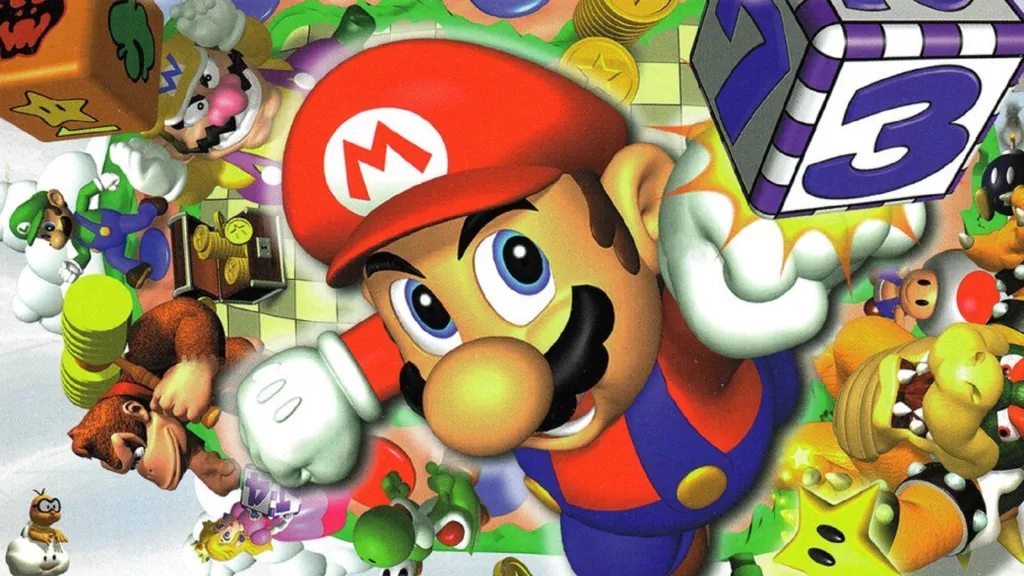
Mario Party first hit the stands 27 years ago, and it remains the best Mario spin-off almost three decades later. Developed by Hudson Soft, the first Mario Party was designed as the ultimate multiplayer experience. Although the game could be played single-player, the title took on new life when multiple players could challenge one another. The first game in the series established many of the core mechanics of the series, including board game-inspired maps themed after each of the six playable characters.
Players could tackle games that ranged from 20 to 50 turns, moving around the board in pursuit of the star. The chief way to accrue money to purchase the stars comes from winning minigames, which occur at the conclusion of every turn. These mini-games are one of the primary appeals of the series, with a mix of challenges that reward a variety of gameplay skills like accuracy, timing, and precision. While the reviews were quick to call out the game’s slow pace and lackluster single-player modes, they largely recognized the strength of the game’s multiplayer options — but the solid reviews had nothing on the game’s financial success.
Especially after the game’s strong launch in Japan on December 18, 1999, Mario Party found larger success once it was released worldwide. It quickly became one of the best-selling games of the year, and became the 16th best-selling title on the Nintendo 64 — with Mario Party 2 and Mario Party 3 subsequently becoming the 20th and 25th best-selling titles for the console. This all led to Nintendo and Hudson Soft collaborating on several more entries in the series, which quickly led to Mario Party becoming a staple of the publisher’s output in the 21st century.
Why Mario Party Is So Important To Nintendo
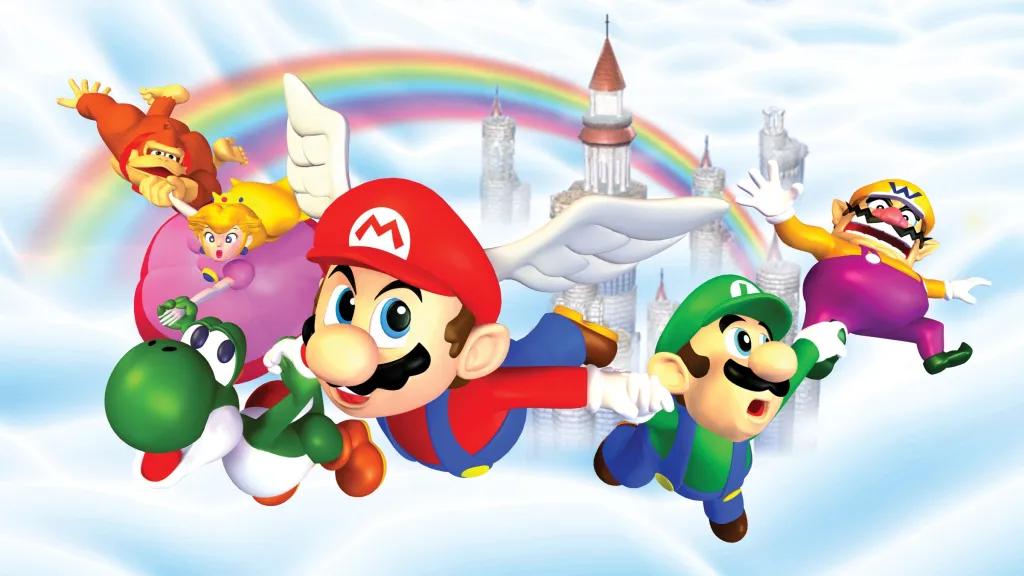
Mario Party has had 13 mainline entries since 1999, including the first game. Along the way, Mario Party has come to represent a lot of things to Nintendo. The series has become a great showcase for each new hardware advancement made by the company, with mini-games often being tweaked and designed as showcases for the new technological advances of each model. As the maps have gotten more complex and creative, they’ve been able to highlight the graphical potential of the new system, pushing the limits of how the game can look.
The continued focus on four-player match-ups benefits from a shared location, a classic aspect of the series that has remained consistent even as online gaming has become more prevalent. As the series has gone on, it’s also experimented with presentation and game design, incorporating plenty of new elements with each entry. While the core gameplay may remain the same, the series has maintained a commitment to experimentation in mini-games and map design that speaks to Nintendo’s identity as a constantly innovative company.
There’s a sense of fun community and friendly rivalry at the core of any good Nintendo multiplayer game, and Mario Party is one of the best examples of it. More so than Mario Kart or any of the Mario Sports titles, Mario Party feels like multiplayer gaming broken down into its purest form and distilled through dozens (and eventually hundreds) of different play styles. Mario Party feels like Nintendo’s ultimate argument for close-quarters multiplayer, eschewing the industry move to online spaces in lieu of couch co-op. Almost thirty years since the first entry in the series hit store shelves, Mario Party is still going strong, with three entries on the Nintendo Switch — including one that serves as a love letter to the overall series by bringing back popular stages from previous iterations.
Throughout it all, it’s remained entertaining, engaging, and enraging in equal measure. It’s the perfect mix of improvisational skill, crafty cunning, and dumb luck for every game to feel unique. It’s a game that’s designed to be multiplayer, and best enjoyed in a party setting where the players not only know one another, but can embrace the sheer chaos that is the map. Mario Party remains the best example of the Mario brand extending beyond the mainline platforming series, and will hopefully continue to pop up with each new Nintendo console for as long as the publisher remains active.
Most Viewed
-

Sony Pictures -
Image Courtesy of Marvel Comics -

Image Courtesy of HIDIVE -
Image courtesy of The Pokemon Company -
Image Courtesy of Netflix -
Image courtesy of Bandai Namco -

Image Courtesy of Marvel Studios