As the release date for Assassin’s Creed: Black Flag Resynced gets closer, new details are emerging about how the game will run on various systems. This has included a number of features required to boot up the game, from both recommended specs to verification details within Ubisoft’s framework. Despite heavy criticism surrounding how Ubisoft restricts their titles through layers of identification, Black Flag‘s remake seems to include one of the worst examples of this from the company’s past.
Videos by ComicBook.com
Many players have voiced complaints against development groups like Ubisoft and Bethesda for forcing people to sign up for individual accounts before gaining access to a game’s content. For example, the single-player Doom: Eternal required players to create a Bethesda account to play the game, an annoying obstacle reflected in several Ubisoft titles too. This hurdle mainly exists for the PC versions of some company’s games, not only to prevent piracy, but also to restrict modding of any kind.
Assassin’s Creed: Black Flag Resynced Officially Confirms Denuvo DRM Software Features

Making an Ubisoft account is required to play Assassin’s Creed: Black Flag Resynced, just like it was back in 2013 with the original. Even though both games can technically be played offline, Ubisoft has made console and PC players need to register their game key through a login to an official Ubisoft client, much to players’ disappointment. Although this was expected, considering Ubisoft’s titles over the years doing the same thing, some were hopeful that the condensed nature of the remake could avoid this. However, the inclusion of Denuvo DRM software is something players were even more optimistically hoping against.
Denuvo DRM is an Anti-Tamper tech that adds layers of protection between a player’s system and the game itself, meant to prevent pirating and modding entirely. Mainly set up to prevent hacked versions of Black Flag Resynced from appearing online days after its release, this system has its pros, but unfortunately, many cons as well. For starters, players have to link their Ubisoft account to their Steam account to activate this software on PC, adding extra steps before they can play the remake.
At the same time, they must agree to third-party licensing terms during the game’s setup, delaying access to the title yet again. The game also has a 5-per-day activation limit through Denuvo DRM, preventing the title from being installed on more than five machinces per day. Although this won’t affect everyone, problems with uninstalling and reinstalling the game over time due to storage space or hardware issues could lead to some very annoying obstacles for a select few. This doesn’t even cover all the new verification programs Denuvo DRM implements, which build an identification minefield players have to navigate.
Ubisoft Account Requirements & Other Verification Hurdles Add Layers Of Obstacles To The Game
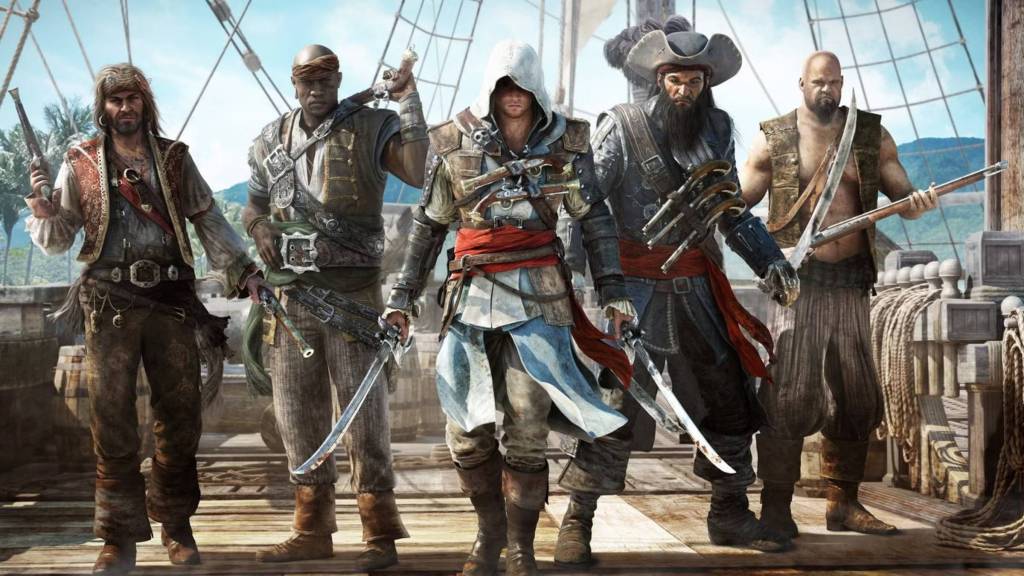
The always-online demand tied to Black Flag Resynced could pose a problem for many players, especially ones who don’t have access to the Internet consistently. PC players are in an even greater predicament, having to push past Denuvo DRM’s harsher work arounds to actually play the game. This gets extra frustrating when you realize that Denuvo DRM doesn’t always work as intended anyway, with titles like Pragmata, Monster Hunter Wilds, Far Cry 6, or even Assassin’s Creed Valhalla not being safe from piracy or modding the software tries to prevent.
While an argument can be made that some of those games were only broken by reversing entire code engines, the fact remains that no title is completely safe. This results in Denuvo DRM being less necessary than perhaps Ubisoft intends, with the company unwilling or unable to use an improved program that fulfills the same function. Instead of using software that deliberately introduces obstacles, Ubisoft could be developing something similar to Denuvo DRM that makes it easier for players to access a game. For now though, this past system is the unfortunate direction of Ubisoft cracking down on digital copyright.
Anti-Pirating Systems Do More Harm To Assassin’s Creed’s Community Than Good
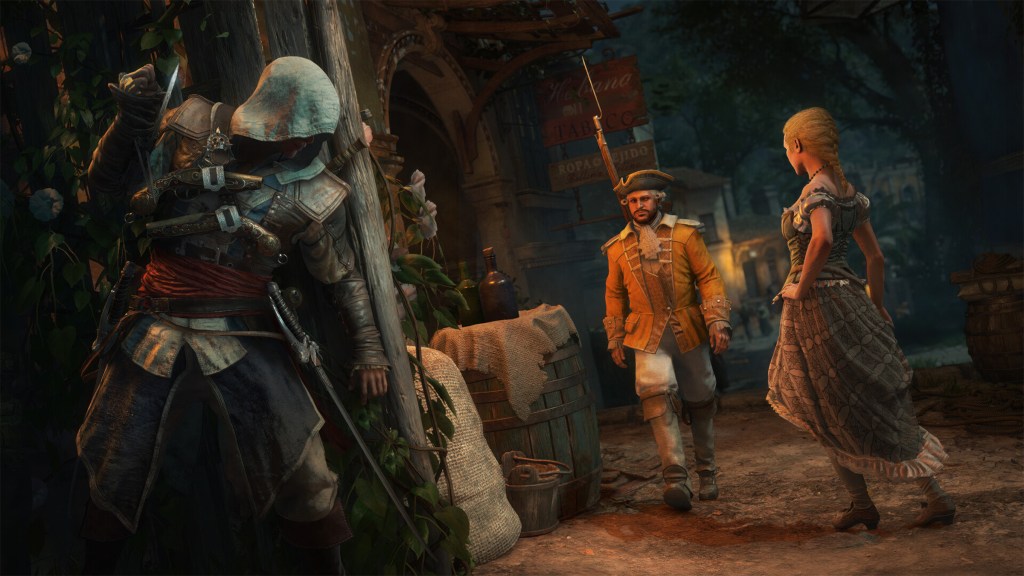
There’s a strange irony to implementing so many anti-piracy systems to the Assassin’s Creed game known most for letting you become a swashbuckling pirate. Ubisoft’s variety of past mistakes likely led to this outcome, but it is frankly indicative of a trend all major publishers are doing to some degree. Cracking down on modding scenes, creating stronger account verification features, and using programs like Denuvo DRM is prevalent across AAA games, adding to the corporate-favored idea that companies own games more than players do.
Understandably, fans and players tend to have the opposite opinion when it comes to the systems studios are integrating. For Black Flag Resynced, players are already criticizing Ubisoft for taking such a harsh approach to the game’s systems, as it could cause problems tied to ownership and availability of the title based on lengthy verification agreements. Most players simply want to buy the game and play it, and not have to go through multiple identification steps designed to force themselves into Ubisoft’s larger data ecosystem.
By shutting down modding too, Ubisoft prevents players eager to see behind the curtain of the remake’s development, striking down any chance of a healthy community forming through the game’s modification. Games like Baldur’s Gate 3 or Stardew Valley tend to grow even more popular through mods, so locking down that option altogether isolates players in some ways. Even though Assassin’s Creed: Black Flag Resynced is once again a mostly single-player experience, Ubisoft’s use of restrictive software systems directly clashes with player desires, just as it did over a decade ago.
What do you think of the verification software Ubisoft is using for the Black Flag remake? Leave a comment below or join the conversation in the ComicBook Forum!
More Gaming
-

Courtesy of Rockstar Games -

Courtesy of Fury Studios -

Courtesy of 343 Industries