In March 2026, Sony Group Corp. announced that it would no longer port its major PlayStation 5 games to PC, reverting to console exclusivity for the first time in years. My first reaction was literally, “Well, this sucks,” but after considering the implications of Sony’s move, I’ve come to realize that it makes a lot of sense. For the past few years, it looked like console exclusivity was a thing of the past, with even Nintendo releasing AAA games from other publishers on the Nintendo Switch and Switch 2. Other consoles have done the same, but Nintendo has already pulled back, and now, so has Sony.
Videos by ComicBook.com
This begs the question, ‘Why limit releases to exclusive hardware when PCs offer an entirely new revenue stream?’ On the surface, it doesn’t make sense — releases on more platforms sell more games. On top of that, console sales aren’t where Sony, Nintendo, or Microsoft make money — it’s software. In fact, for a long time, companies sold hardware at a loss, knowing they’d make up the difference by building a user base and with game sales, and that model has worked for decades. With Sony taking a step back, it may seem like a strange move that limits PC gamers’ access to its games, but it will benefit players in the end.
Sony Will Focus Game Development to Support the PlayStation 6
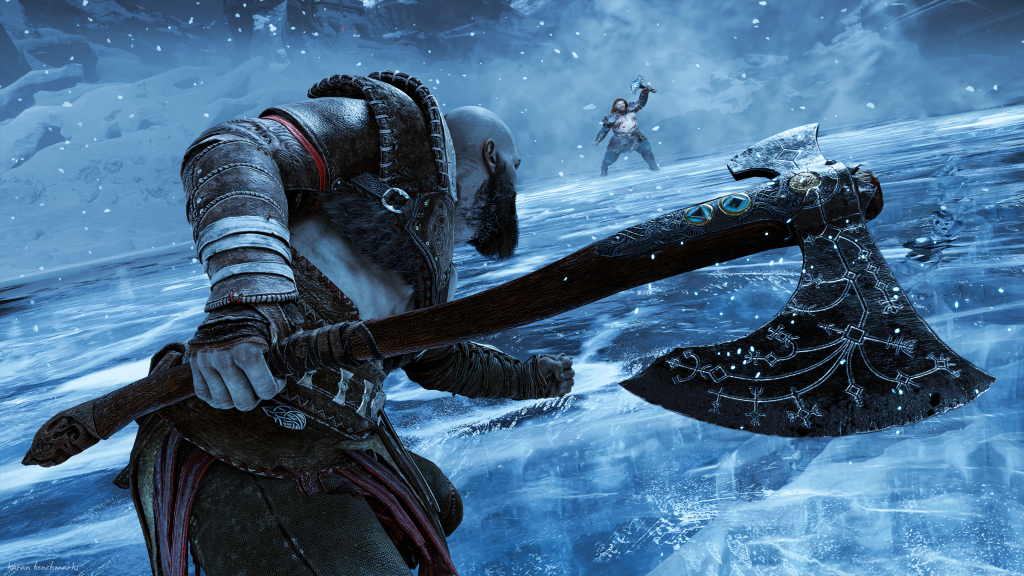
To be clear, Sony will continue to release online games on multiple platforms, so players of titles like Marvel Tokon and Marathon have nothing to worry about. That said, the move back to console exclusivity will mean that single-player hits like 2025’s Ghosts of Yotei and the upcoming game Saros are going to be limited to the PlayStation 5. The shift in release strategy comes after six years of lessened console exclusivity, and while Sony isn’t revealing why it made the change, the most likely reason is the PlayStation 6. The console is expected to be expensive to manufacture and will cost consumers a pretty penny, so limiting AAA game releases to the PS6 will drive console and software sales.
Theoretically, this is going to work in Sony’s favor, and it’s not as if the company doesn’t have 25 years of console exclusivity revenue to look back on. When comparing what Sony has made over the past six years with its income since the PlayStation hit store shelves in 1995, it’s likely the company’s execs decided to fall back on the tried-and-true method of console exclusivity. Additionally, Sony hasn’t had excellent PC sales of its games, which makes sense, as PlayStation fans are pretty dedicated and prefer to play on the console rather than a high-performance gaming PC, and Sony’s earnings reflect this.
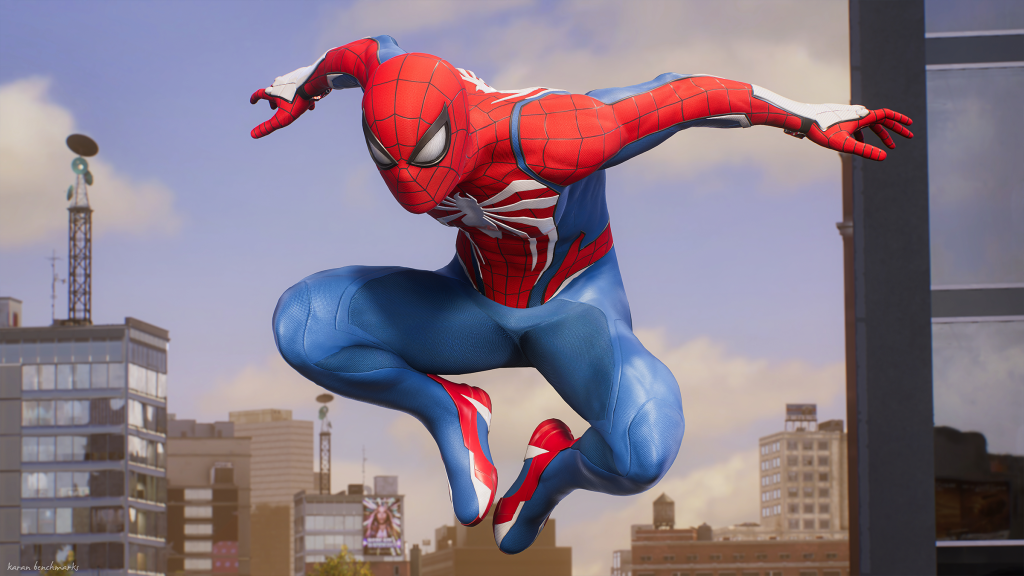
Sony spent the past six years releasing games on PC, but the cadence of those releases was never streamlined. Some games were released a few months after their console debuts, while others took years to arrive. PC gamers aren’t rushing to grab copies of games that have been around for a long time, which hasn’t helped sales. Ultimately, the decision to return to console exclusivity is a business decision that’s likely to embolden Sony to return to its practice of developing huge tentpole franchises like God of War, Ghost of Tsushima, Gran Turismo, Horizon, Infamous, Killzone, The Last of Us, Ratchet & Clank, Resistance, Shadow of the Colossus, SOCOM, Spider-Man, Twisted Metal, Uncharted, and others.
A Return to Console Exclusivity Is a Good Thing
Sony’s decision to return to console exclusivity is a bummer for PC gamers, but it’s also not absolute. For games published by Sony but developed by outside agencies, like Death Stranding 2, will not be limited to the PlayStation 5. Sony has been refocusing its studios on exclusive games, likely in preparation for the eventual release of the PS6, and as a means of reinvigorating the brand. Another possible reason may be Sony’s competitor, as the next Xbox is rumored to be a Windows-based platform capable of playing PC games, which would likely mean that it could play Sony’s games, so a return to console exclusivity makes sense.
What do you think about Sony’s return to console exclusivity? Leave a comment below and join the conversation now in the ComicBook Forum!
More Gaming
-

Courtesy of Rockstar Games