Reimaging a classic is never an easy task, especially when the original is one of the most beloved entries in a legendary franchise. Yet with Dragon Quest VII Reimagined, producer Takeshi Ichikawa and his team have done this seemingly impossible task. Their approach was not simply rebuilding a world with sharper visuals or updated systems, but to refine, streamline, and elevate a nostalgic epic. The goal was to strengthen the emotional narrative, tighten the pacing, and craft a more immersive journey without sacrificing the qualities that made the original a fan favorite.
Videos by ComicBook.com
After speaking with Ichikawa and playing Dragon Quest VII Reimagined, it is clear that the project embodies thoughtful reinvention through a modernized presentation, smarter progression, and a renewed attention to storytelling depth. The game feels handcrafted for both newcomers and those who played the game many years ago, and still oozes the unmistakable charm of Dragon Quest.
Dragon Quest VII Reimainged, A Modern Classic for the Ages
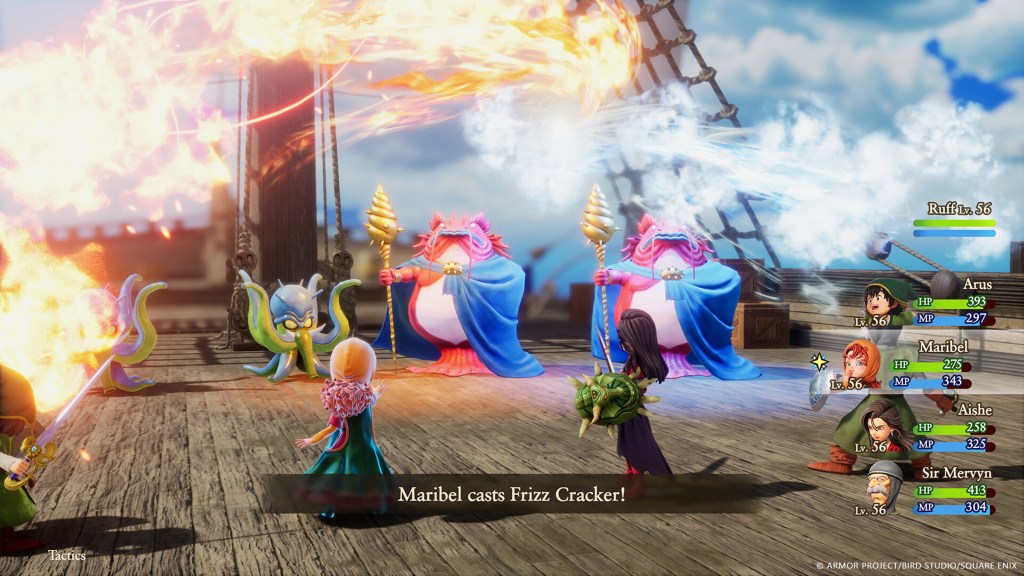
ComicBook.com had the privilege to pick Ichikawa’s brain and learn more about the game ahead of its official release. This insight provided more information into the game, now celebrating its 26th anniversary, as Dragon Quest also approaches its 40th anniversary. Ichikawa spills the beans on what new and old players can expect from Dragon Quest VII Reimagined, what has been cut to enhance the experience, and new content that will surprise and delight returning players.
ComicBook: Dragon Quest VII is regarded as one of the longest entries in the series and is known for its deliberately slow opening. How did the team balance the original’s structure while adjusting the pacing to meet modern player expectations?
Ichikawa: The “reimagined” elements of the narrative allude to improvements in the game’s overall framework, which offers a much deeper and more compelling experience. In our effort to streamline the overall story progression and provide a more engaging narrative, we decided to cut subplots that have little or no direct relevance to the main scenario. While some content has been removed, entirely new scenarios have also been introduced. Our goal was to build upon the strengths of the original game while striving to deliver a deeper, more immersive story experience for modern players.

ComicBook: Dragon Quest VII Reimagined features a visual style that is notably distinct from previous Dragon Quest remakes. How did the team decide on this art direction, and what led to choosing this approach over the HD-2D aesthetic used in other titles?
Ichikawa: When remaking DRAGON QUEST VII, we considered the visual direction with the hope that audiences worldwide, not just in Japan, would enjoy and grow fond of the charming characters designed by Akira Toriyama. In order to depict the depth and feel of DRAGON QUEST VII’s story more vividly, we took on a new challenge for the DRAGON QUEST series: employing a “doll-like art style” and developing an in-game environment that resembles a diorama. Please refer to this as the “hand-crafted style”! In addition, we adopted the hand-crafted visual style to match the stylized character designs of DRAGON QUEST VII, which differ from those in other mainline entries.
ComicBook: Dragon Quest VII is often remembered for its darker and more somber narrative tone. During development, was there any consideration given to softening these elements for modern audiences, or was preserving that tone a key priority?
Ichikawa: We have reimagined the game while preserving the original’s unique atmosphere and core storyline.
ComicBook: As the Dragon Quest series approaches its 40th anniversary, how does the development team view the significance of Dragon Quest VII within the legacy of the franchise?
Ichikawa: I would be delighted if this title could serve as the beginning of delivering a wonderful 40th anniversary celebration of DRAGON QUEST to everyone.
ComicBook: Dragon Quest VII has already received a remake in the past. What factors led the team to revisit this title again, rather than focusing on other classic entries within Square Enix’s catalog that have yet to be remade?
Ichikawa: DRAGON QUEST VII: Fragments of the Forgotten Past originally released in 2000 – so this year is its 26th Anniversary! Because of this, we felt it was the perfect time to bring its storytelling and unique atmosphere to a wider audience – especially now, in today’s world. DRAGON QUEST VII Reimagined not only “reimagines” the story and emotional portrayal of its characters but also makes the game significantly more approachable and accessible. We believe this game will be enjoyable for both previous DRAGON QUEST VII players and newcomers alike!
ComicBook: For players who completed Dragon Quest VII when it originally released, what aspects of Dragon Quest VII Reimagined do you hope will feel most surprising or impactful?
Ichikawa: We put particular focus on reimagining the visuals, scenario, and battles, so we hope players can fully enjoy the game by immersing themselves in these three central aspects.
Dragon Quest VII Reimagined is available on February 5th for Xbox Series X/S, PlayStation 5, Nintendo Switch, Nintendo Switch 2, and PC. For those on the fence, there is also a demo available, and you can transfer your save file to the full game upon purchase.
What do you think? Leave a comment below and join the conversation now in the ComicBook Forum!
Most Viewed
-
Courtesy of Sony Pictures Animation / McDonalds -

Courtesy of Viz Media