The original PlayStation era produced some of the most creative genre experiments in gaming history. Developers were willing to mix mechanics, tones, and systems in ways that feel risky even today. RPG elements showed up in platformers, shooters borrowed adventure structures, and racing games sometimes tried to tell stories beyond hitting the pavement. Many of these experiments failed, but a few succeeded in ways that still feel ahead of their time. Sadly, some of these bold projects were never played, but not because they were bad.
Videos by ComicBook.com
This is a problem that Square Enix, known as Squaresoft then, faced with Racing Lagoon. This PS1 game blended street racing with deep RPG-style progression and a story presentation closer to a Japanese role-playing game than a traditional racer. Despite its developer reputation and inventive design, it was never officially released outside Japan. That decision left one of the most unique PS1 racing RPG games largely unknown to Western players, even among retro enthusiasts who track obscure PlayStation titles. Had Square decided to expand its release, we may have seen the rise of one of the best racing series.
Racing Lagoon Combined the Best of RPGs and Racing
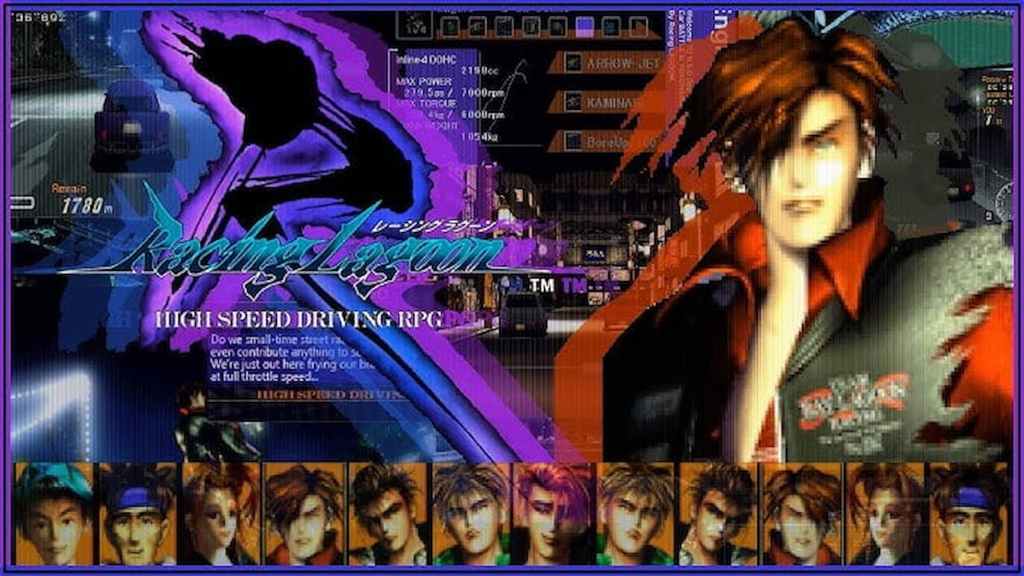
Racing Lagoon launched on the original PlayStation in 1999 and was developed and published by Squaresoft during a period when the company was widely known for major RPG hits. Instead of following the arcade or simulation racing formula common at the time, it built its structure around RPG systems. Players progressed through a story, accepted race challenges, earned parts, and upgraded vehicles through a layered customization model that worked much like gear progression in a role-playing game.

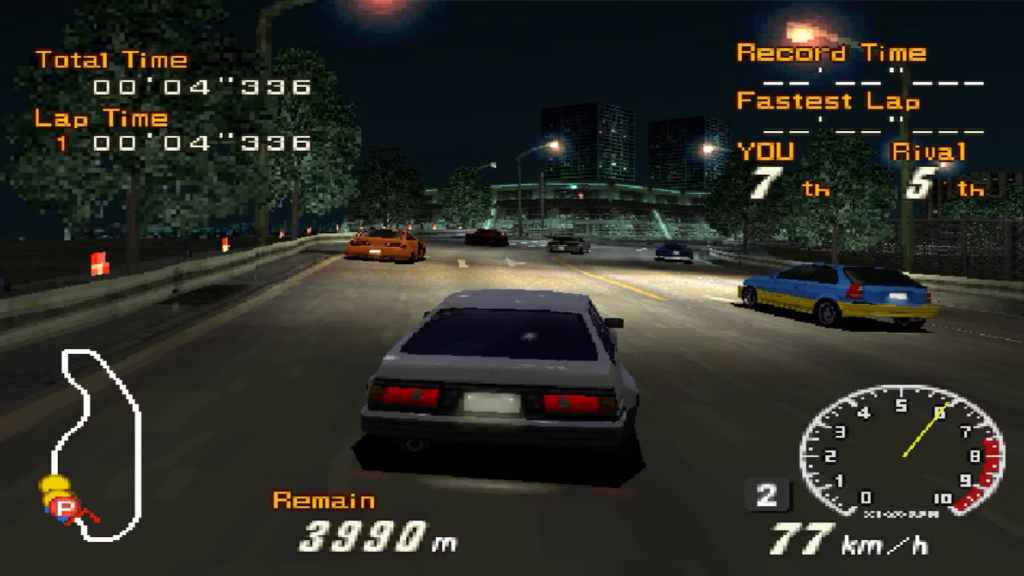
Car parts functioned like equipment slots. Engines, transmissions, tires, and other components could be swapped, tuned, and improved, directly affecting performance on the road. Winning races was not just about reflexes or memorizing turns. It was also about how well you built your vehicle. That loop of race, earn, upgrade, and optimize felt closer to leveling a character than selecting a car in standard racing titles at the time. For players who enjoy RPG progression systems, it created a steady sense of growth and ownership.
The race structure reinforced the hybrid feel, with many events set up as duels against rival drivers with their own introductions and story context. That design made each race feel like a character confrontation rather than just another event on a calendar. It added real emotional stakes to each race, something you usually see in an RPG boss fight, not typical racing events.
The presentation leaned heavily into JRPG-style storytelling. Dialogue sequences, character rivalries, and a structured narrative pushed the experience forward between races. The tone and writing style were far more dramatic and stylized than most racing games of the PS1 era. It felt like a story-driven RPG that happened to resolve its conflicts on the road instead of through swords or spells. Squaresoft had successfully mixed the best parts of racing games and RPGs to create something truly unique.
Racing Lagoon Could Have Taken off in the West
Despite Squaresoft’s strong global reputation at the time, Racing Lagoon never received an official Western release. That decision limited its reach significantly. Racing games have historically performed well in North America and Europe, especially on PlayStation hardware. Coming from a studio known for multiple genre-defining RPGs, a story-driven PS1 racing RPG had a real chance to break out if it had been localized and promoted well outside of Japan.
Localization may have been a major barrier. The script is dense and heavily stylized, especially at the time. Slang, attitude, and subculture language tied to Japanese street racing make translating the tone accurately more complex than translating straightforward fantasy dialogue. Still, Squaresoft localized many text-heavy RPGs in the same timeframe, including large-scale releases with far more total script volume. That makes the lack of an official English version more noticeable in hindsight.
Timing likely played a role as well. By 1999, the original PlayStation library was already crowded, and racing games without real car brands or official licenses often struggled for attention outside Japan. A hybrid format may have been seen as harder to market to Western audiences who expected either pure racing or pure RPG structure. Unfortunately, that caution ultimately led to Squaresoft keeping the game locked to Japanese audiences. Years later, a fan team released an unofficial English translation patch that opened the full story to import players and preservation groups. But only select fans even go through the effort to play what could have been the start of a great series.
Square Enix Should Revisit This Racing Hidden Gem
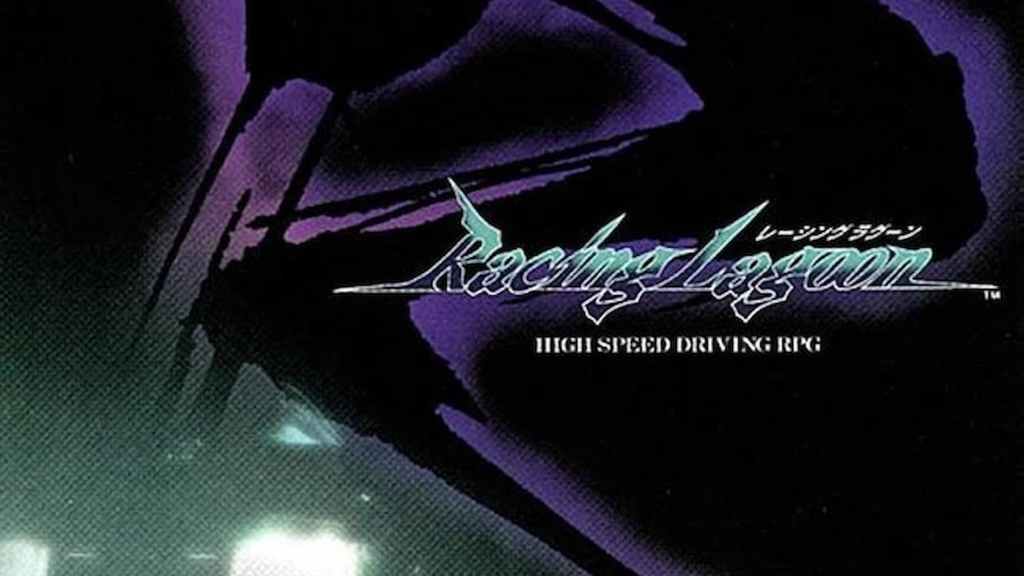
Today, genre blending is far more accepted than it was in the late 1990s. RPG mechanics appear in shooters, racing games, and sports titles on a regular basis. Progression systems, upgrade trees, and narrative framing are common design tools across genres. That shift makes Racing Lagoon feel less strange and more forward-thinking. It experimented with systems that later became standard in many modern games. The hype surrounding the upcoming Screamer shows how Racing Lagoon could have landed today.
Square Enix has shown a pattern of revisiting its back catalog through remasters, remakes, and re-releases. Classic RPGs like Dragon Quest VII Reimagined and niche projects have received updated editions on modern platforms. From a preservation and discovery standpoint, Racing Lagoon is a strong candidate for that attention. An officially localized remaster would bring it to a global audience and showcase how versatile Square Enix’s RPGs are. A properly translated and lightly modernized version of Racing Lagoon would not feel out of place in today’s industry.
The games that stay memorable are often the ones that took a real design risk and followed through on it, especially back then. A cinematic street racing RPG from Squaresoft absolutely fits that description. It is a legitimately inventive design that still feels distinct decades later. There is a real opportunity for Square Enix to push RPG racing sims forward. Racing Lagoon deserves more than cult status and fan conversions, but until Square Enix decides, it will remain buried in the past.
What do you think? Leave a comment below and join the conversation now in the ComicBook Forum!
Most Viewed
-

Image courtesy of Warner Bros. Pictures -

Image Courtesy of Netflix -

image courtesy of Studio Ghibli