The DC Universe is full of great characters and cool concepts that would easily lend themselves to video game adaptations. Successes like the Batman: Arkham series of games highlight that potential, but that doesn’t mean every superhero game is an easy slamdunk. Unfortunately, the necessary scale of adaptations of that genre can mean that stumbles are all the more notable — and flops are all the more devastating.
Videos by ComicBook.com
Such was the case of Suicide Squad: Kill the Justice League, a live-service looter shooter set in the Arkham universe. Despite a central hook that seems like an appealing experience, the gameplay loop and tonally uneven story led to a huge backlash from fans that was so big, it led to Warner Bros. having to announce a huge drop in their revenue stream. Looking back, it’s even more disheartening to see how Suicide Squad: Kill the Justice League‘s legacy has been cemented as one of modern gaming’s biggest mistakes.
Suicide Squad: Kill The Justice League Had A Good Concept That Flopped Hard

Released on January 30, 2024, Suicide Squad: Kill the Justice League was met with a very mixed reception by critics and outright frustration from fans, turning a potentially compelling experience into one of modern gaming’s biggest flops. On paper, Suicide Squad: Kill the Justice League seems like an interesting way to expand the Batman: Arkham universe while moving away from Batman. Developed by Rocksteady Studios, the game brought back recurring villain Harley Quinn and teamed her up with three other villains — Deadshot, Captain Boomerang, and Killer Shark — and pitted them against an army assembled by the alien superintelligence, Braniac.
One of the big hooks from a narrative standpoint was the reveal that many of DC’s biggest superheroes, including Superman and Batman, had been corrupted by the villain. To save the world, players were tasked with taking the squad into battle against the heroes and, if necessary, dispatching them. There’s an intriguing concept there, and it presented Rocksteady with a new way to approach the Arkham universe from a gameplay standpoint. The idea that it could even be multiplayer was exciting, especially given the four characters’ initially distinct seeming abilities. However, as the game was increasingly revealed, the live-service shooter proved to have a lot of the flaws that have haunted that style of game. All four characters ultimately had similar playstyles, with the only real distinction being the method of their traversal abilities.
The combat could be fun for gamers who love shooters like Borderlands, but that sci-fi series does a better job of encouraging exploration and introducing different enemy types. The repetitive confrontations quickly made Suicide Squad feel like a chore, especially as the central narrative had a bizarre mix of edgy darkness and goofy comic book tropes. The result was a game that didn’t feel like it had lived up to its potential, even if the central gameplay loop and visual presentation were at least solid enough to recommend to fans of looter shooters. Critics largely agreed, with the core gameplay and story failing to make up for the repetitive elements of the gameplay.
Unfortunately, the post-release content only continued the story without actually doing much interesting with it, the new characters were moderately interesting if quickly forgettable. The biggest problem for the game came when it was formally released, however. The title failed to connect with audiences, and Warner Bros. Discovery eventually revealed that the game had a $200 million loss, eventually leading to a very large drop in the company’s overall revenue. This led to layoffs at Rocksteady, and the live-service support for the game was concluded after just a year.
Suicide Squad Could Have Been Special, But It Really Hurt DC Games Instead
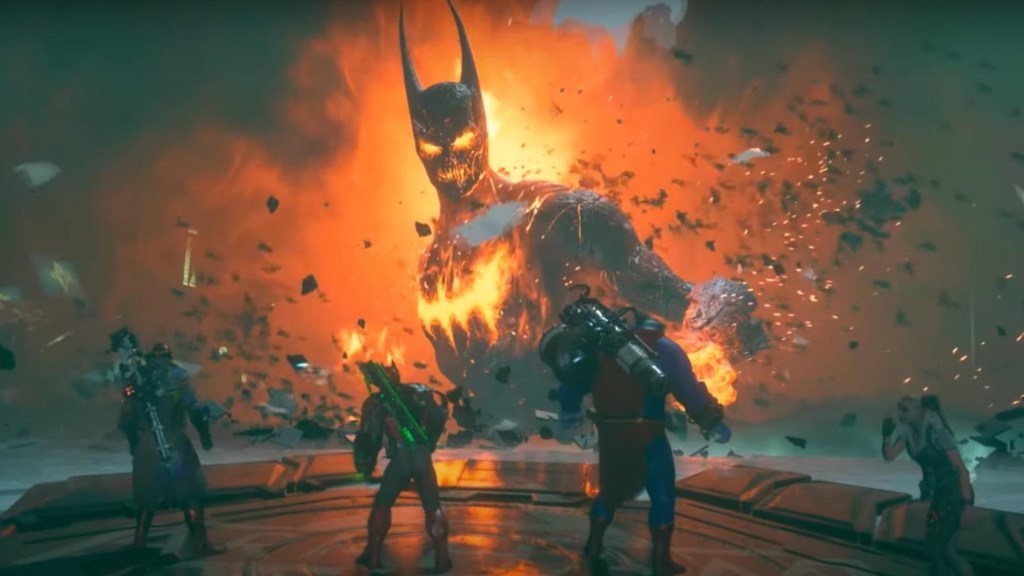
Suicide Squad: Kill the Justice League has an interesting idea at its core, presenting a world where the players get to play the villains and actually take down the heroes. Elements of the story, like the Squad’s attempts to escape Amanda Waller’s influence, set up an interesting moral story about the potential of redemption and the necessity of evil actions for the greater good. Instead, the game is too afraid to go all out with the concept, having the heroes become so cartoonishly evil while doing little to make the Squad feel complex. It leaves most of the cast unlikable and presents a story that quickly feels way too dark and bleak to actually become engaging. That makes all the attempts at lighter comedy land poorly.
The gameplay was just a basic shooter, with the traversal mechanics being the only element that really stood out from countless other entries in the genre. Unfortunately, the failure of Suicide Squad meant that Rocksteady and games based on DC Comics took a hit publicly, with Warner Bros. cancelling other in-development titles like Wonder Woman as part of a restructuring in the gaming side of things. More than anything, Suicide Squad really hurt the brand’s position with gamers and fans, who were frustrated by the way the game so glibly killed off characters instead of approaching the concept with more thematic weight — especially when Kevin Conroy passed away, leaving this game as one of his final appearances as Batman.
Even the endgame of the campaign felt frustrating, undoing most of the damage it had done to the world and even resurrecting several members of the Justice League, thus rendering the earlier stakes pointless. It’s frustrating in retrospect, as a multiplayer Suicide Squad game by the team that made Arkham City should be amazing. Maybe it was the fact that they tried to bend the franchise into the looter shooter genre, and it proved to be a bad melding, or perhaps Rocksteady needed to give the DC Universe a break and use the game mechanics for a brand that more readily fit that game style and storytelling approach. Suicide Squad: Kill the Justice League is the best proof in modern gaming of just how quickly a major developer can stumble and just how big of an impact that can have.
Most Viewed
-

Sony Pictures -

Image courtesy of The Pokemon Company -
Image Courtesy of Marvel Comics -

Image Courtesy of HIDIVE -

Courtesy of Crunchyroll