For the first decade and a half of his existence, Mario was defined by being a platformer. From the earliest conceptions of the character as Jump Man in Donkey Kong to his successful shift to console gaming on the NES, Mario spent several games defined as a side-scrolling hero. However, 1996 was a big sea change for the character, not least because of his transference into a fully 3D space with Super Mario 64.
Videos by ComicBook.com
Months before that game helped launch the Nintendo 64, however, another ambitious experiment following the plumber helped establish just how adaptable the character could be. Launching in Japan on March 9, 1996, before getting a North American launch a few months later, Super Mario RPG: Legend of the Seven Stars fused the platforming franchise with game design more commonly found in Square’s RPGs. While it may not be as famous as the other Mario game that came out that year, Super Mario RPG was still a crucial development for the Nintendo franchise.
Why Mario Got His First RPG
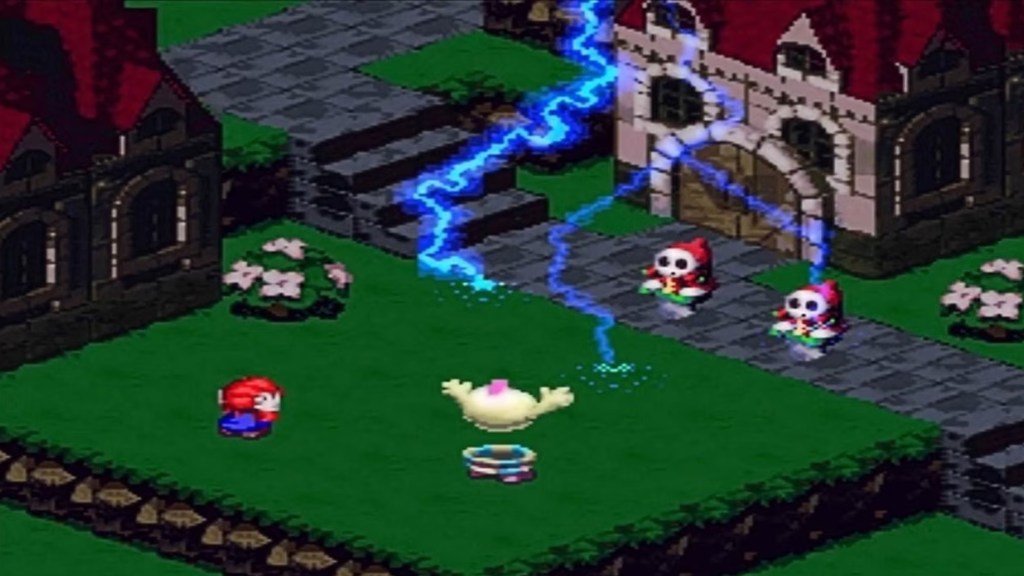
Developed by Square for the Super Nintendo, Super Mario RPG: Legend of the Seven Stars was a major release for the company and a crucial showcase for Mario’s adaptability outside the platformer genre that the character has typically occupied for much of his existence. The game was one of the last major collaborations between Nintendo and Square before the latter shifted focus over to the PlayStation, incorporating a number of elements from their Final Fantasy games into the Mario universe, like turn-based combat, party mechanics, and expansive world exploration.
Stemming from Shigeru Miyamoto’s desire to make an RPG using Mario and Square’s intent to release an RPG that could connect with Western audiences, the collaboration spent two years in development. A major element of development came into play when Square decided that it was important to reflect Mario’s typical game mechanics instead of just placing Mario into one of their traditional RPGs. This led to the incorporation of platforming elements blending into the larger overworld exploration, while timed button commands added new depth to attacking and defending.
The game follows Mario as he makes his way around the Mushroom Kingdom in an effort to save Peach from a mysterious new threat — even forcing the plumber to team up with his consistent nemesis, Bowser, to save the day. Thanks to the RPG approach, Nintendo and Square were able to expand the narrative beyond what most Mario games had been like previously, adding a lot of personality and humor to the experience. This extended to the party that gradually surrounds Mario, ranging from major series icons like Peach to enduring fan favorites like Geno. The game launched to largely positive reviews, enough to earn an 84/100 on Metacritic, and became one of the most successful games in the United States that year. It quickly became a fan favorite title among RPG fans and Mario players alike, but the impact it had on the Nintendo series is still being felt today.
Super Mario RPG Proved Mario Could Grow Beyond His Platforming Roots
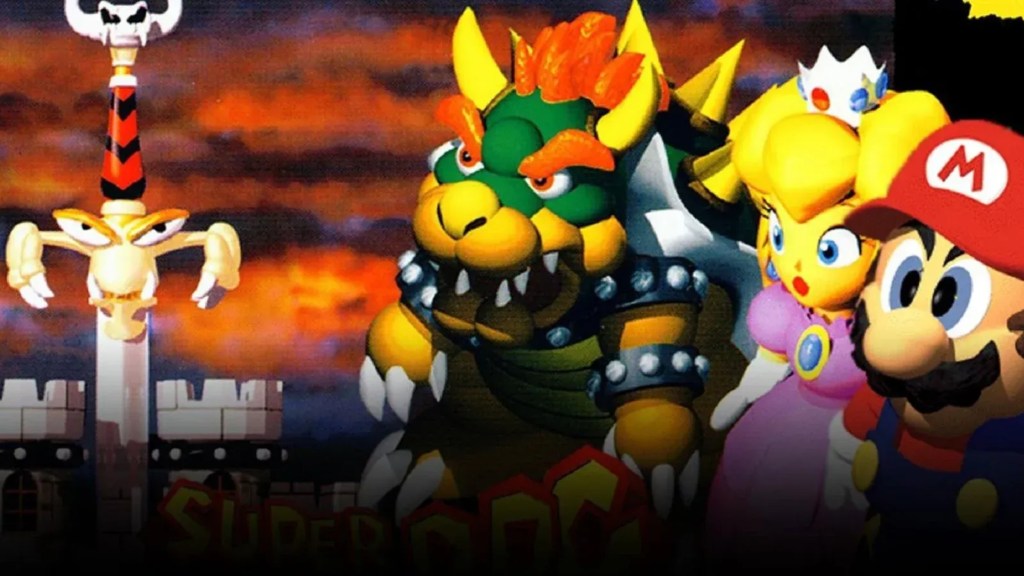
Super Mario RPG came out the same year as Super Mario 64, the latter of which brought Mario’s platforming adventures into the space of 3D gaming. It was a big step, and the success of that title proved that Mario could make the leap from 2D to 3D. However, Super Mario RPG was quietly just as important in proving Mario’s adaptability. Super Mario RPG was a narrative-driven experience that helped codify the natural sense of humor and storytelling edges that the series has largely followed ever since.
The RPG mechanics were also a far cry from anything that Mario had attempted before. While games like Mario Kart had proven that the character and the larger franchise could expand beyond platforming, Super Mario RPG underscored Mario’s potential in genres like the RPG. Without Super Mario RPG, it’s unlikely audiences will ever get cult classics like Paper Mario or sub-franchises like the Mario & Luigi series. The sense of humor that has become increasingly prevalent in the mainline Mario games might have been lessened without Super Mario RPG, which helped cement much of the personality that still defines the series thirty years later.
Super Mario RPG also proved that Mario games could still feel like Mario games, even as they evolved and embraced new gameplay styles. Mario can work in RPGs, as well as sports games, fighting games, puzzle games, and party games. Alongside Super Mario 64, Super Mario RPG was a huge step for Nintendo, especially amid the changing gaming landscape of that era. Super Mario RPG was a fan favorite immediately upon release, and remained just as engaging when it was rereleased for the Switch. Super Mario RPG might have been a swan song for Nintendo’s earlier collaborations with Square but it was a high mark that both publishers can look back on with pride, even three decades later.
Most Viewed
-

Courtesy of Crunchyroll -

Images Courtesy of DC Comics