For more than a decade, The Elder Scrolls V: Skyrim has stood as one of the most influential RPGs ever made. It defined open world design for an entire generation, invited millions of players into its frozen mountains, and proved that sandbox exploration could dominate mainstream gaming. Even today, with mods, remasters, and multiple re-releases, Skyrim remains a cultural touchstone. That legacy creates enormous expectations for The Elder Scrolls VI, a game tasked with carrying one of the most beloved RPG franchises into a new era.
Videos by ComicBook.com
But nostalgia can be dangerous. As groundbreaking as Skyrim was, time has revealed cracks beneath its epic scale. Modern RPG players have grown more discerning, expecting not just freedom, but meaning within this freedom. If The Elder Scrolls VI simply expands Skyrim’s philosophy without rethinking its flaws, it risks delivering a vast world that feels impressive, yet hollow. Skyrim’s total freedom came at a major cost and ultimately made the narrative and experiences shallow.
Skyrim’s Freedom Hurt the Big Picture
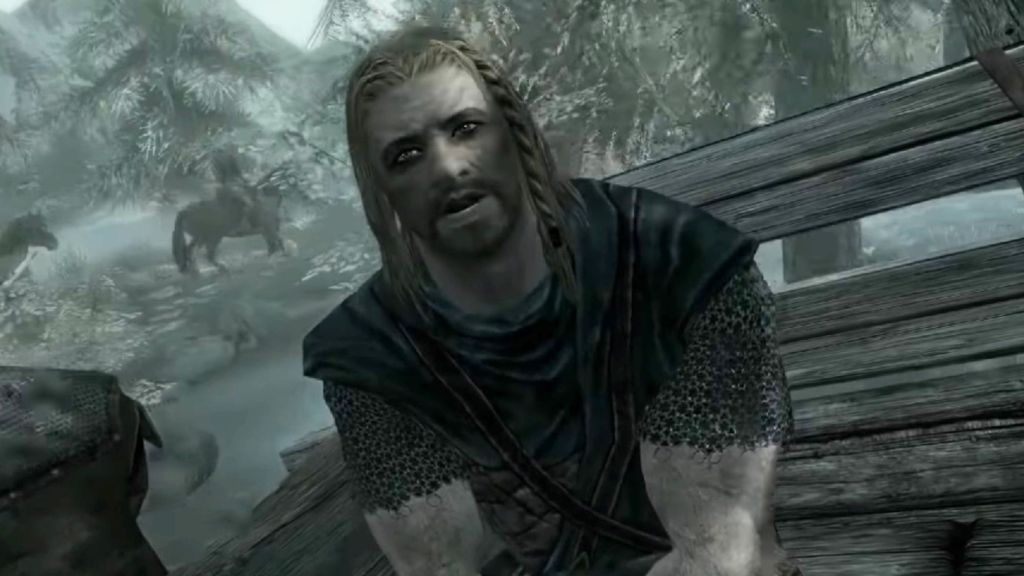
There is no denying that Skyrim revolutionized player freedom. You could ignore the main quest for hundreds of hours, become the leader of every faction, master every skill, and still be treated like a wandering nobody by the world around you. While this openness made the game endlessly replayable, it also diluted its narrative impact. When everyone can become everything, nothing feels earned, and this proved to be one of the biggest issues I have with the game.
The lack of consequence became especially clear in faction storylines. Becoming Arch Mage of the College of Winterhold required little understanding of magic. Leading the Thieves Guild did not meaningfully conflict with being a noble hero. Even civil war choices barely altered daily life in Skyrim’s cities. The world bent around the player rather than reacting to them, which undercut immersion and constantly pulled me out of my immersion.
In modern RPG design, consequences matter more than ever. Baldur’s Gate 3 proved this more than any other in recent history, showing that players want their decisions to shape the world in visible ways. Skyrim’s refusal to lock content behind choices made it accessible, but it also stripped meaning from progression. That approach helped Skyrim appeal to a massive audience, but it weakened the big picture storytelling that defines truly great role-playing games.
The Elder Scrolls 6 Needs Stronger Narrative Paths
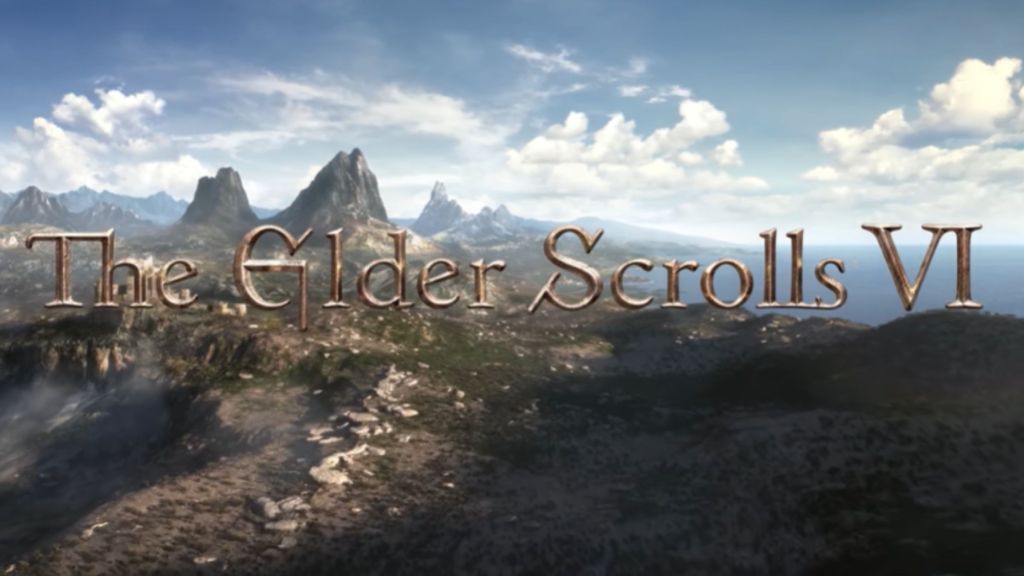
The Elder Scrolls VI needs to embrace structure without sacrificing agency. Stronger narrative paths do not mean linear gameplay. They mean committing to meaningful divergence. If a player aligns with a faction, rival factions should respond. If a moral decision is made, it should close doors as well as open new ones. Bethesda can still offer unprecedented levels of freedom, but it needs to assert weight within this freedom.
Bethesda has the opportunity to design mutually exclusive questlines that reinforce role identity. Imagine choosing between two political powers where one victory permanently reshapes cities, economies, and alliances. Imagine guild stories that require actual expertise rather than simple participation. These systems create emotional investment because they ask players to define who their character truly is. They also make choices more meaningful and can showcase true depth.
Other RPGs have shown that depth-driven narratives do not alienate players. Titles like The Witcher 3 proved that strong storytelling and player choice can coexist beautifully. The Elder Scrolls VI must move beyond Skyrim’s one-size-fits-all approach and trust players to live with the consequences of their actions. Even if some actions do lock players out of other choices, the experiences these singular routes unlock can bring out the incredible world of Tamriel. I would rather have a more meaningful Dark Brotherhood questline than simply run through a series of quests that ultimately change nothing before moving on to the next faction.
Bethesda Needs to Focus On Depth, Not Width
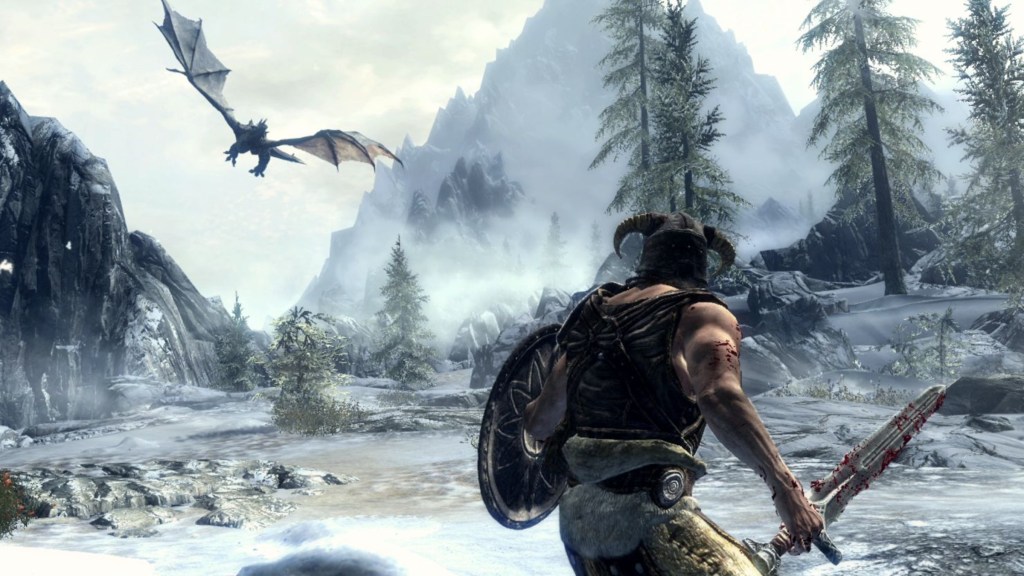
One of Skyrim’s most common criticisms is that it felt wide but shallow. The phrase “wide as an ocean but deep as a puddle” has been hurled at Bethesda’s beloved game. Hundreds of locations existed, yet many followed similar templates. Dungeons blurred together. Side quests are often resolved in predictable ways. The sheer volume of content masked how little of it meaningfully evolved. Starfield was an even bigger offender of this, and it cannot happen again. Not if the studio wants to succeed.
For The Elder Scrolls VI, Bethesda should prioritize fewer systems with greater complexity. Cities should feel distinct culturally and politically. NPCs should remember player actions beyond a single quest. Skill progression should influence dialogue, reputation, and story outcomes. These changes do not require a smaller map, but they do require a shift in design philosophy. I’d love to see some of the systems of Kingdom Come: Deliverance 2 implemented in this regard.
Depth also improves replayability. A game built around impactful choices encourages multiple playthroughs, not because there is more content, but because different content emerges naturally. This approach aligns perfectly with long-term engagement, mods, and community discussion. Skyrim succeeded because it made players feel free, not because it made them feel important. The Elder Scrolls VI has the chance to do both. Bethesda does not need to abandon what made Skyrim popular, but it must refine it.
With modern hardware, improved AI systems, and over a decade of player feedback, Bethesda has no excuse to repeat old design compromises. Fans are not asking for less content. They are asking for better content. The success of The Elder Scrolls VI will depend on whether Bethesda listens. This decision could be the difference between The Elder Scrolls VI succeeding Skyrim or being just another RPG released by a once-incredible studio.
What do you think? Leave a comment below and join the conversation now in the ComicBook Forum!
Most Viewed
-
Courtesy of TOHO Animation -

Image Courtesy of Marvel -

Image Courtesy of A-1 Pictures -

Image courtesy of Netflix