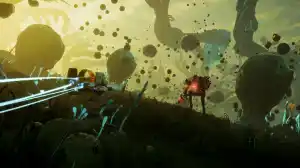
Marathon has been floating around the shooter conversation with a strange kind of energy. Not the explosive hype kind, not the cult classic kind, but something more, uh, awkward, like it is still waiting for someone to tell it what it is supposed to be. Looking at recent Steam chart behavior only reinforces that feeling, because it is not exactly collapsing, but it is not building momentum either. It sits in that uncomfortable middle space where it is visible enough to be discussed but not sticky enough to be remembered much. And for a studio like Bungie, that is almost more embarrassing than outright failure, because expectation is always part of the package.
Videos by ComicBook.com
The easy narrative is to blame difficulty or label it as “too hardcore,” but that does not really hold up once you spend time with it. The problem with Marathon is not that it demands too much from players or that its even a bad game. No. The issue is that it doesn’t give enough in return that feels distinct or exciting. I want to like it more than I do, and I say that as someone who enjoys its aesthetic direction and appreciates the ambition behind it, but there is a creative sameness baked into its structure that starts to show after the initial shine wears off. If I am being honest, Bungie’s recent track record makes it hard not to view this as part of a longer pattern rather than a one-off misstep.
It Entered the Shooter Space Without a Clear Identity of Its Own
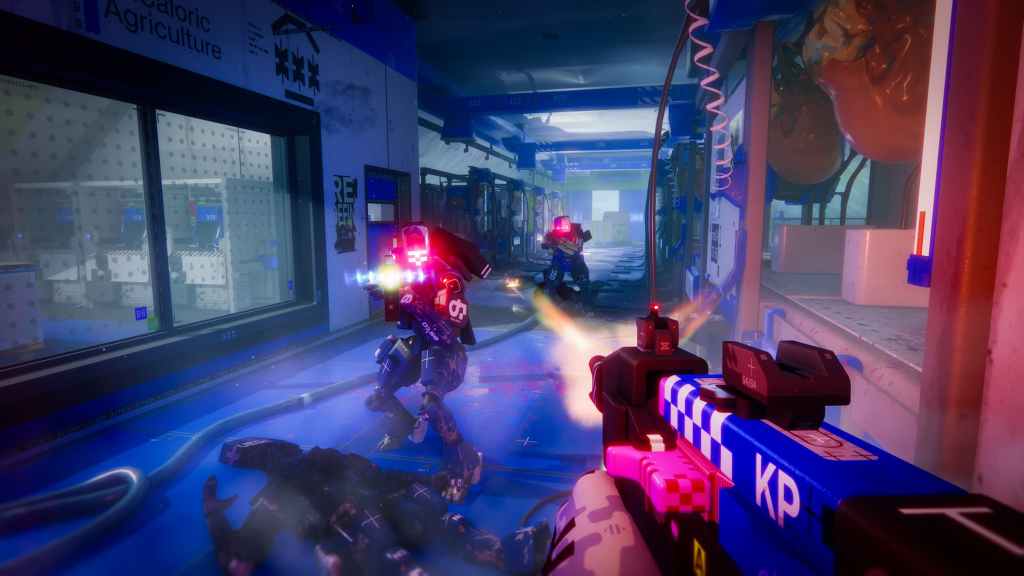
Marathon arrived in a genre that is already overcrowded with strong identities, and that is its first major problem. Extraction shooters, hero shooters, tactical shooters, looter shooters, everything is already carved up and defended by games that know exactly what they are. Marathon, on the other hand, feels like it is borrowing confidence from its visual identity rather than its mechanical one. You can see what it wants to be in broad strokes, but the moment-to-moment experience does not reinforce a strong sense of “only this game does this.” That matters more than people want to admit, especially in a space where attention spans are brutal.
There is also a strange familiarity to how everything unfolds, like you have already played slightly different versions of these systems elsewhere. Even when the game is doing something technically fine, it rarely feels like it is pushing a new angle that demands attention. That is where the comparison to Destiny 2 inevitably comes in, and not in a flattering way. Instead of positioning itself as a bold evolution, Marathon often reads like a cousin that studied the same notes but forgot to bring a new perspective. And when that happens, players do not feel challenged, they just feel redirected back to older experiences they already understand.
The frustrating part is that Bungie clearly knows how to build satisfying shooting mechanics. That has never been their issue. The issue is that mechanical competence alone does not equal identity, especially in 2026 where players expect systems to carry meaning, not just function. Marathon feels like it is waiting for a defining hook that has still not quite arrived. Without that hook, everything starts to blur together into “another Bungie shooter,” which is probably the last label it needed.
The Core Gameplay Loop Doesn’t Feel as Fresh as the Art Direction Suggests
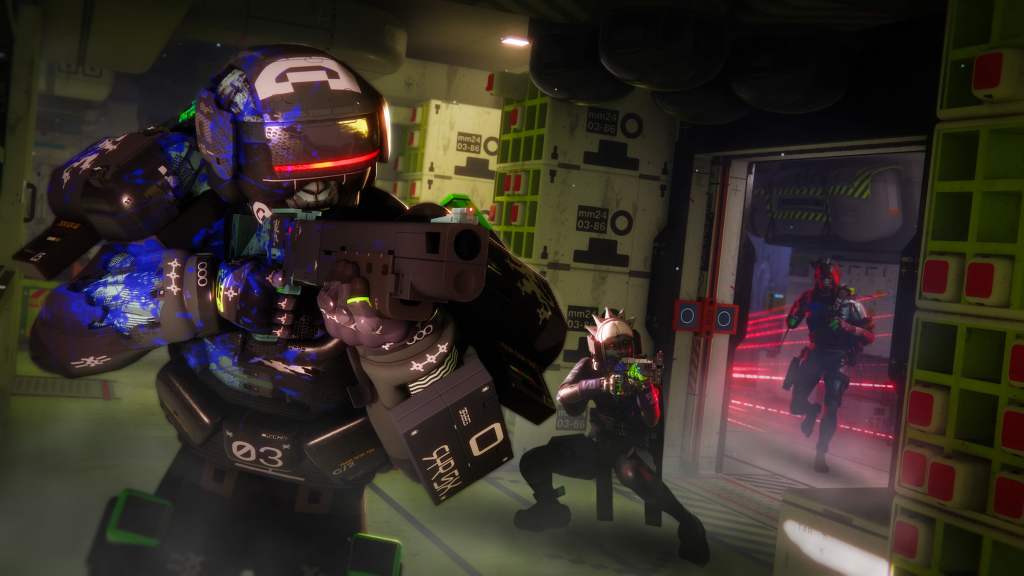
Visually, Marathon is doing a lot of heavy lifting. The art direction is stylized and immediately recognizable in a way most shooters would kill for. It creates an expectation that the gameplay will match that same level of boldness, that the systems underneath will feel just as intentional and distinct. But once you are actually in it, playing it, the loop feels surprisingly conservative. You are moving through familiar rhythms of engagement, extraction, and repetition without many moments that truly reframe what you are doing.
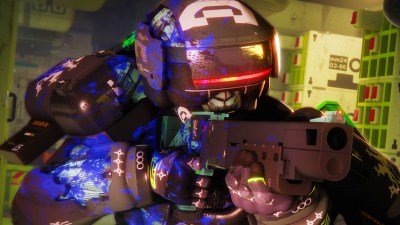
That disconnect is where the disappointment starts to settle in. The game looks like it is about to reinvent something, but it rarely commits to that reinvention in practice. Encounters feel clean but not surprising, structured but not memorable. After a few sessions, you start recognizing patterns faster than you are discovering new ones, which is never a great sign for longevity. It creates this odd sensation where the aesthetic is saying one thing while the gameplay is saying “we have done this before.” Hence, yet again, the Destiny 2 comparisons.
This is where Bungie’s design philosophy feels rigid at this point. There is a comfort to their structure, a kind of controlled predictability that probably works wonders for retention in established games. For a reboot of a franchise that has not existed in the space for decades, something trying to effectively carve out a new identity, it becomes a limitation rather than a strength. Marathon ends up feeling like it is dressed for a bigger reinvention than it is actually delivering, and that mismatch is hard to ignore once it becomes, well, noticed. Visible. Felt.
The “Hardcore” Debate Is Missing the Real Reason Players Drift Away
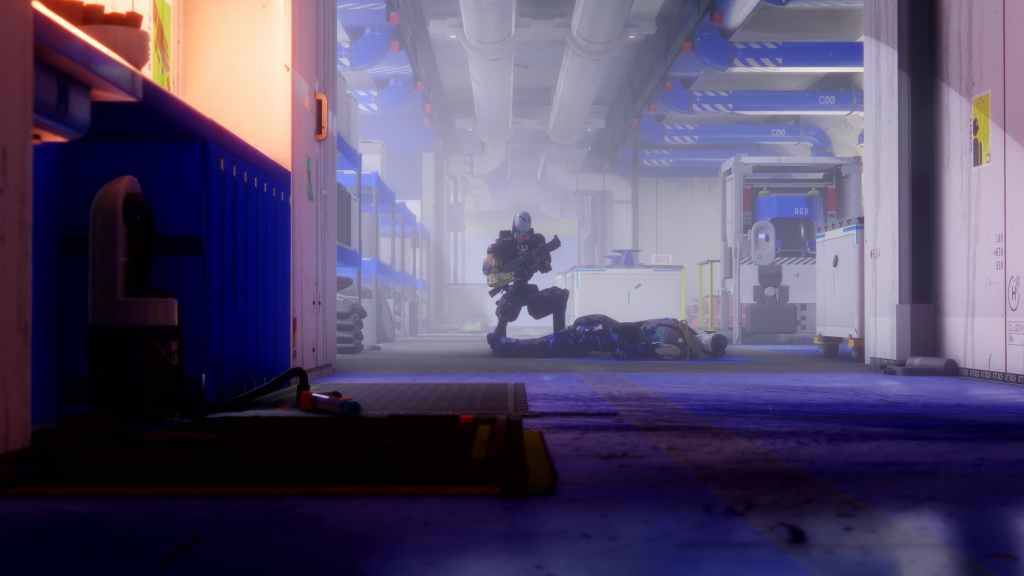
A lot of the current discourse around Marathon leans on the idea that it is simply too hardcore or not accessible enough. That is an easy argument to make, especially when player retention numbers do not immediately explode out of the gate, but it also feels like a lazy diagnosis that avoids engaging with the actual design issues. Difficulty is not the barrier here, because players will absolutely endure challenge if the experience feels distinct and rewarding enough. The problem is not that Marathon is pushing people away with intensity, but that it is not pulling them in with identity or even purpose.
When players leave, it is rarely because they are overwhelmed. It is because they are unconvinced. There is a difference between a game that demands mastery and a game that fails to justify continued investment. Marathon often lands in the second category, where the effort does not feel like it is leading somewhere especially exciting. That creates a silent type of disengagement that is more damaging than frustration in the long-term, because frustration at least implies emotional investment. Indifference is much harder to recover from.
The “hardcore” label also conveniently shifts attention away from broader structural issues that are harder to fix. Things like loop clarity, reward satisfaction, and mechanical novelty are not solved by adjusting difficulty curves. They are solved by rethinking what makes the experience worth repeating in the first place. Right now, Marathon feels like it is relying on its pedigree and presentation to carry its weight. That works for a while, until players realize there is not much underneath those surface strengths keeping them engaged.
At the end of the day, I do not think Marathon is a bad game. Not even close. I just think it is a very competent one in a space that no longer rewards competence alone, and for a studio like Bungie, which has a long history of defining shooter expectations, that might be the most uncomfortable position to be in.
What do you think? Leave a comment below and join the conversation now in the ComicBook Forum!
More Gaming
-

Image Courtesy of IO Interactive -

Paramount – Legendary Pictures -

Courtesy of Evil Empire