The Witcher franchise is poised to enter a new era with The Witcher 4. CD Projekt RED’s previous game in the franchise, The Witcher 3: Wild Hunt, is one of the best games of all time and still a blast, but it does show its age. But while many fans are looking forward to the next game, the developers are looking even beyond this, and I’m not talking about Cyberpunk 2. CD Projekt RED’s latest statements show a studio aiming to break the bloated and drawn-out development of AAA gaming, and it will do so using one of the most celebrated series in gaming.
Videos by ComicBook.com
CD Projekt RED reaffirmed that The Witcher 4, The Witcher 5, and The Witcher 6 are planned to release within a six-year window. That means roughly three years between entries, an almost unheard-of pace for modern AAA RPGs. For players who lived through the golden era of rapid-fire yet heartfelt trilogies like Mass Effect, Dead Space, and Uncharted, this feels like a return home. Back then, games released quickly because teams were smaller, tools were maturing rapidly, and studios weren’t yet weighed down by massive live-service expectations. Hearing CDPR aim to deliver a fully next-gen Witcher trilogy on a timeline of that era signals a shift in how one of the world’s most influential RPG developers sees the future.
What Witcher 4 and Beyond Represent

CD Projekt Red’s leadership, particularly Michał Nowakowski, has made it clear that The Witcher 4 is now in full-scale production and progressing well. While they won’t commit publicly to a specific release year, we know one thing for certain: it’s not coming in 2026. And yet, despite the caution about dates, CDPR continues to reaffirm its commitment to delivering an entire Witcher trilogy within six years. This implies a bold internal scheduling plan built on experience, technology, and a new multi-studio structure designed to support simultaneous AAA development.
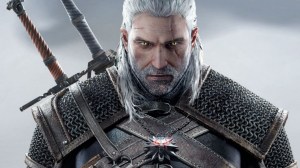
A major component of this vision is Unreal Engine 5. CDPR has been working with UE5 since 2021, and the studio openly praises how the engine empowers them to build a massive open world with more predictability and efficiency. With experience in UE5 compounding over years, and with CDPR’s new performance capture studio and expanded talent pool, the studio is better positioned than ever to deliver the next Witcher saga on a consistent cadence. Not only this, but the studio is easily able to draw on years of working with the franchise.
This is significant not just for The Witcher 4, but for The Witcher 5 and 6. If UE5 pipelines are fully established, if teams in Boston, Vancouver, and Warsaw are operating in parallel, and if CDPR’s design pillars are stable across the trilogy, then delivering three major AAA RPGs within six years becomes less miraculous and more methodical. It may even reshape what players expect from major single-player franchises: offering rich narrative depth and steady momentum, rather than the stop-and-start fatigue that has characterized many modern series due to the long wait between AAA titles.
The Witcher Legacy
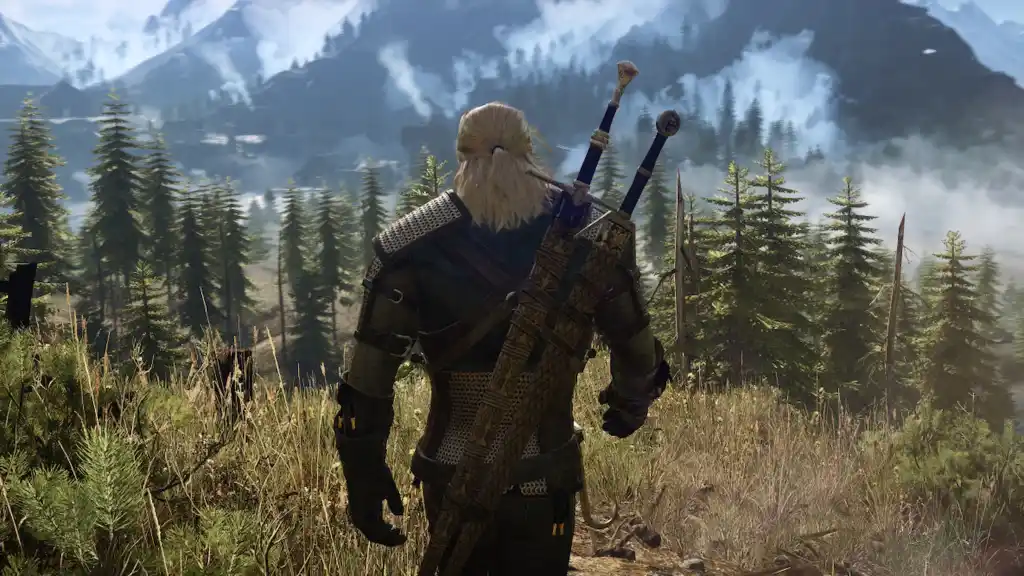
The Witcher series holds a special place in gaming not just because The Witcher 3 is considered one of the greatest RPGs of all time, but because it represented the best of a specific era: one where ambitious narrative design, tightly woven worldbuilding, and highly focused expansion content defined what a premium RPG could be. The Witcher 3 wasn’t just a hit; it became a gaming landmark, setting standards for open-world quests, character writing, and post-launch support. Few games today can match the scale of The Witcher 3, and this is part of the reason why expectations are so high for The Witcher 4.
Returning to a shorter development cycle doesn’t mean returning to smaller ambitions. It means reclaiming a sense of momentum that the modern AAA landscape has lost. Back in the 2000s and early 2010s, trilogies arrived with a rhythm. The Mass Effect Trilogy took 5 years, Uncharted 4, Halo 6, and so many others. Now, AAA games typically take that amount of time, if not longer, for a new entry. While CD Projekt RED’s own Witcher trilogy took 8 years, it wouldn’t be a surprise to see this time cut down if the studio can follow through on its promise.
A new trilogy delivered in a rapid but deliberate cadence could recreate the magic of watching a generation-defining story evolve in real time, an experience many gamers haven’t felt since the era of Commander Shepard or Isaac Clarke. CDPR’s financial results underline how well their older titles continue to sell. Cyberpunk 2077 has now surpassed 35 million copies sold, an astonishing figure that reinforces the strength of well-crafted single-player games. But The Witcher brand still carries unmatched weight. And with The Witcher 4 nominated for Most Anticipated Game at The Game Awards 2025 despite showing very little, it’s clear that the franchise remains a titan.
The Witcher Trilogy Could Change Bloated AAA Development
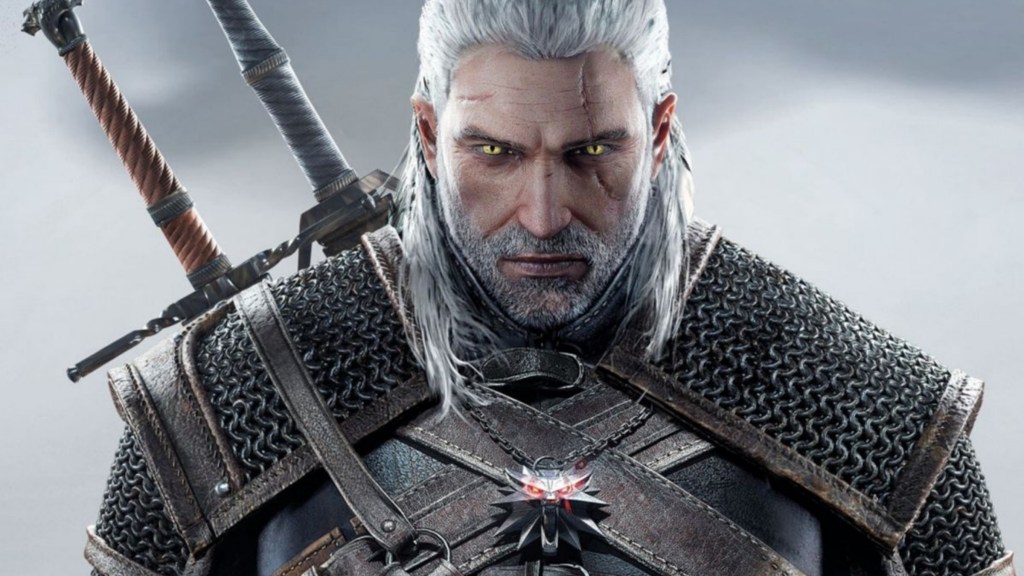
One of the biggest unspoken realities in modern AAA development is how bloated production has become. Many studios now take six to eight years between major releases. Budgets inflate, expectations balloon, and production timelines become tangled in technology shifts, tool reinventions, and pipeline restructuring. The result is fewer games, higher stakes, and immense pressure on teams. We’ve even seen indie games like Hollow Knight: Silksong balloon to this, and this doesn’t even take into account AAAA games like Skull and Bones or games that haven’t seen the light of day in ages like Half-Life 3.
CD Projekt Red is one of the few studios openly fighting this trend. The company’s new multi-hub structure, especially the Boston studio leading Cyberpunk 2, is designed to allow multiple AAA projects to develop simultaneously without forcing teams into chaos. Their development expenditures are rising steadily, but they’re being channeled into infrastructure, talent, and long-term pipeline stability rather than sprawling, unpredictable projects. If this process works, it could reduce the crunch that game developers face and reduce the stress of such heavy workloads.
The shift to Unreal Engine 5 also plays a central role. Instead of maintaining a proprietary engine like REDengine, which required massive internal tech development, CDPR now builds on a global, evolving toolset supported by Epic Games. This reduces risk, accelerates onboarding, and allows the studio to focus more on content and design rather than technical reinvention.
If CDPR delivers a full Witcher trilogy in six years, it could become the method for a leaner, smarter AAA model, one that prioritizes refined, sustainable development over unchecked scale. For a studio that once struggled under the weight of Cyberpunk’s troubled launch, the transformation is striking.
What do you think? Leave a comment below and join the conversation now in the ComicBook Forum!
Most Viewed
-

Courtesy of Crunchyroll