Back in the 2000s, several developers and publishers fought to release the best first-person shooters possible, and many were successful. This was the time when legendary franchises began, including Call of Duty, Halo, and many others. One of the best FPS titles of the era was Electronic Arts’ Black, released on the PlayStation 2 and Xbox in February 2006. While it was critically acclaimed upon release and more than a few players snagged up copies, no sequel to Black has ever surfaced. Fortunately, the original game is still playable and available digitally today, but that’s it for the franchise.
Videos by ComicBook.com
It’s not unheard of for a great game to come along and not see a sequel, as it happens fairly often. Typically, it’s due to poor sales despite critical acclaim, restructured game studios and layoffs, or expiring license rights. When it comes to a sequel for Black, neither of those aspects was the cause, as a sequel was desired and in the works for some time. Unfortunately, the all-too-familiar problem of “creative differences” made moving forward with a sequel impossible. While this sucks for fans of the game, a spiritual successor, Bodycount, was released in 2011, but it was not a sequel.
Black Is an Amazing FPS Modern Players Should Check Out
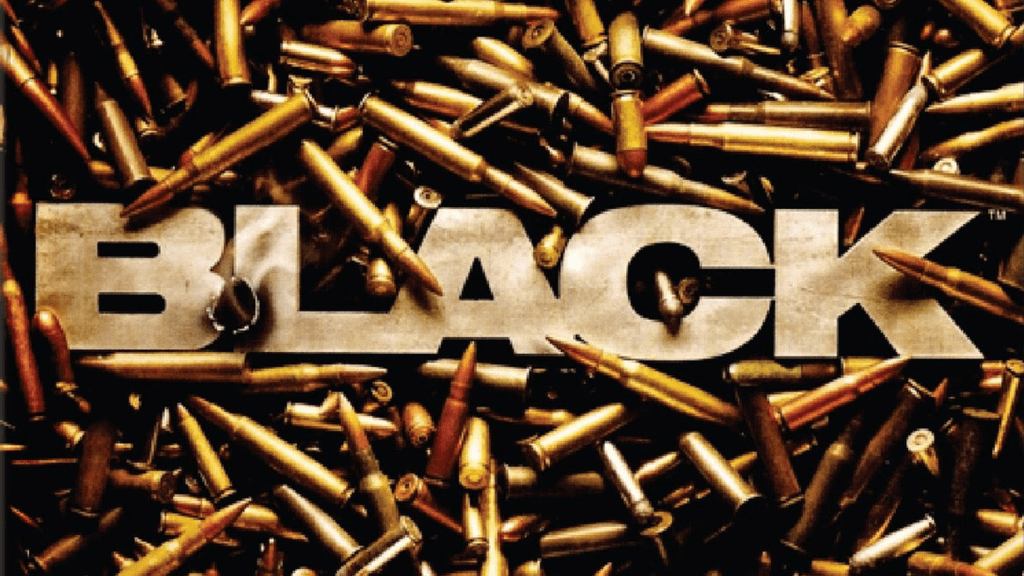
Black came out when FPS titles were just getting their formats right, and the devs at Criterion Games nailed it. The game is set in Ingushetia and Chechnya, where Sergeant First Class Jack Kellar, the player character, is a member of a CIA black ops unit. It begins with SFC Kellar being interrogated under threat of declassifying his activities, with a court-martial being a certainty should he not reveal the events that led him there. This begins the narrative, set four days earlier, where Kellar and his unit go up against the Seventh Wave terrorist organization.
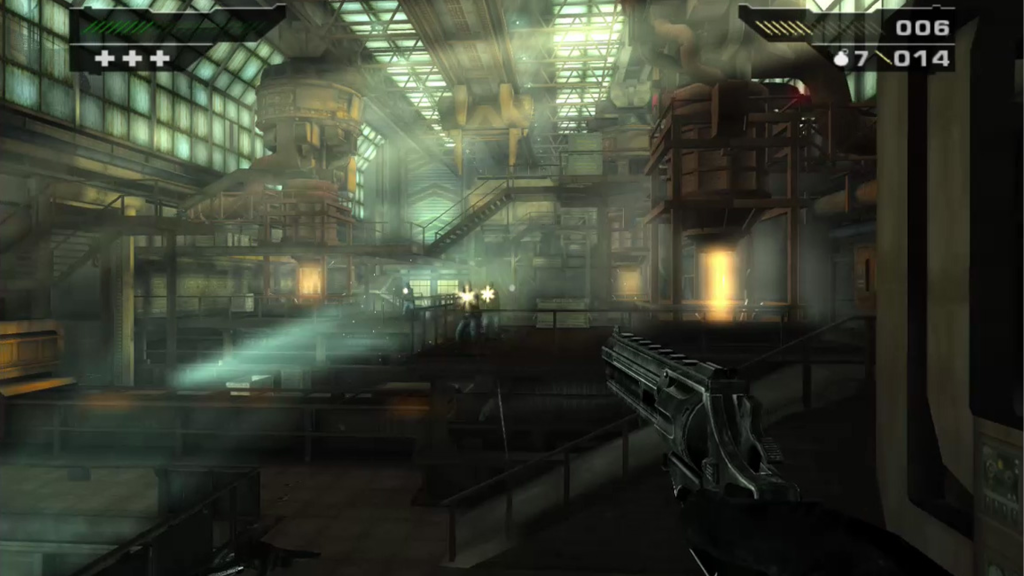
Numerous missions follow, and Black’s plot unfolds with extensive detail and excellent voice-acting performances by its talented cast. In terms of gameplay, Black is a fairly straightforward FPS, following the mechanics you’d find in any game of the mid-2000s. You can equip and carry two weapons at a time, which requires some strategy considering what you might face on any given mission. It features objectives, targets, destructive environments, and a complex HUD that delivers information to the player as they progress. Part of what makes Black so compelling is its environment, as great care was taken in producing just the right sounds for every weapon’s action.
When it was released, Black received praise from critics and players, and it sold fairly well, earning awards for its PlayStation 2 port. The Xbox version was equally well received, though it appears that Black sold a bit better on the PS2 than it did on Microsoft’s inaugural console. This might have been due to competition from Call of Duty and Halo, which drove system sales in its early years. The game’s designer and co-director, Stuart Black, had plans for a sequel, but butted heads with the team at Electronic Arts, leading to its cancellation, and it doesn’t appear that a sequel will ever manifest.
A Black Sequel Is Highly Unlikely
While Black is well-deserving of a sequel, it’s unlikely to happen, seeing as it was released 20 years ago and no word of a sequel has been uttered in decades. When the sequel fell through, Stuart Black shifted his development team, working with Codemasters on Bodycount, which is a spiritual successor, so there’s plenty to attract Black players to that title. While a sequel isn’t happening, Microsoft made Black backwards-compatible on the Xbox One and Xbox Series X|S in 2018. The game disks aren’t too pricey on sites like eBay, where you can usually find one for around $20. Unfortunately, Sony hasn’t followed suit, making Black difficult to play on modern PlayStation consoles.
Were you a Black fan back in the day? Leave a comment below and join the conversation now in the ComicBook Forum!
More Gaming
-

Courtesy of Saber Interactive -
Image Courtesy of Electronic Arts/Secret Mode