Video game horror has always been willing to experiment. Survival horror classics emphasized scarce resources, while psychological horror titles relied on atmosphere to create tense environments. Everyone knows iconic titles like Resident Evil and Silent Hill, but indie horror is just as big as these AAA games. Titles like Lethal Company and Phasmophobia showed that smaller games could carve out a space as well. Yet, few horror games have had the impact on the genre that this 12-year-old game had.
Videos by ComicBook.com
When Five Nights at Freddy’s released on August 18th, 2014, the entire horror genre experienced a massive shift. Creator Scott Cawthon put players in the role of a night security guard at Freddy Fazbear’s Pizza. What seemed an innocent, if creepy, twist on a children’s play parlor quickly turned to horror as players tried to survive the night against hostile animatronics while monitoring security cameras and preserving electricity. What began as an inexpensive indie horror game became a sprawling franchise with numerous sequels, spin-offs, books, merchandise, and a major film adaptation, redefining horror along the way.
Five Nights at Freddy’s Turned Simplicity Into Horror

The original Five Nights at Freddy’s took the internet by storm when it released on Steam in August 2014. Its mechanics were simple, but when combined with the game’s atmosphere created an intense experience. Being a guard stuck in a security office created a sense of claustrophobia, and monitoring the security cameras and watching the animatronics filled players with dread. Managing your limited power supply further enhanced the horror aspect while trying to keep an eye on Freddy and the other animatronics.
Surviving the five nights while managing those resources was made all the more effective because of how little players could control. There were no weapons or sprawling map to explore. Instead, Five Nights at Freddy’s created tension through anticipation and the environment. Every camera check could reveal something different, and using the doors or light slowly consumed power. The fear came from waiting rather than seeing it.
Five Nights at Freddy’s simple premise made it perfect for streaming, which was a major reason it took off. Players watching could quickly understand the mechanics, and the animatronics’ sudden attacks created entertaining reactions for viewers. Cawthon also peppered in just enough lore to draw players in and make them want to learn more. That combination of accessible gameplay, jumpscares, mystery, and reaction-friendly moments helped create the foundation for the franchise’s enormous online presence.
The Sequels, Spin-Offs, and Movie Made FNAF a Horror Empire

The original Five Nights at Freddy’s success quickly kickstarted a horror empire. Cawthon quickly released several sequels within the same and following year. These expanded the mechanics, introduced new animatronics, and dove deeper into the lore. Spin-off releases like Five Nights at Freddy’s: Sister Location, Freddy Fazbear’s Pizzeria Simulator, Ultimate Custom Night, Five Nights at Freddy’s: Help Wanted, and Five Nights at Freddy’s: Security Breach turned to different genres and gameplay while maintaining the horror foundation.
The franchise even moved beyond video games. Novels, short stories, interactive books, nonfiction titles, art books, and even cookbooks. But the biggest surprise was the official movie that starred major actors like Josh Hutcherson and Matthew Lillard. The film was incredibly successful and saw a sequel released shortly after. A third movie is also planned, showing just how massive the franchise has become.
This expansive rise is what makes Five Nights at Freddy’s so unique and unusual in horror games. The original concept is so simple that it feels strange to see how large it has become. Horror legends like Resident Evil and Silent Hill have seen similar growth, but they have major names behind them. Few indie horror properties have demonstrated that same ability to grow from a simple gameplay concept into a multimedia franchise.
FNAF Changed What Horror Games Could Become
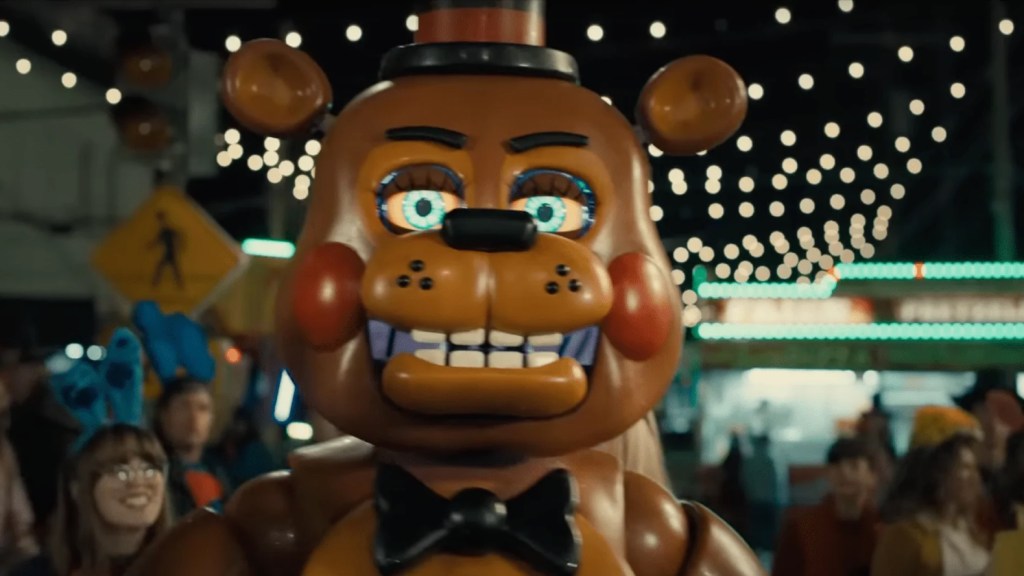
The most important legacy of Five Nights at Freddy’s is not simply the popularity of animatronic horror, but rather how it affected the horror genre. It proved that a small indie horror game could compete with AAA titles without huge budgets or elaborate mechanics. The franchise is a cultural icon, and it all started with a simple Steam release. Without it, we likely wouldn’t see other horror games like Poppy Playtime or Iron Lung following suit.
Five Nights at Freddy’s established a template that countless other horror developers have followed. A memorable monster within a confined environment can help make a small game feel larger than it actually is. Combine that with intriguing mystery, and indie horror games easily attract dedicated followings and develop diehard communities. Finally, making these games stream-friendly helps draw in big crowds and get them started on the right foot.
Twelve years later, the influence of Five Nights at Freddy’s is tied to the rise of indie horror games. Mascot horror has become a recognizable category, and even games that feature different gameplay owe something to Cawthon’s success. Indie games have shown that horror can compete with the biggest names in horror. Five Nights at Freddy’s may not have been the originator of its formula, but it is certainly the reason why it succeeded. It did more than scare players; it drew them in and welcomed them to the horror world as few games have ever done.
More Gaming
-

Courtesy of CD Projekt Red -
Image Courtesy of 2K/Sony Interactive Entertainment