
If you’ve read my articles on ComicBook, you know that I enjoy discussing video game nostalgia and retro gaming. Video game preservation and history are also topics I feel very strongly about, and they all connect into a healthy admiration for what came before. Of course, I’m not the only one who appreciates older games and systems, as there’s a huge market out there for these kinds of things. Video game nostalgia isn’t just a good chunk of the business model; it’s taking over a large portion of the industry’s market share, and it doesn’t appear to be cooling down anytime soon.
Videos by ComicBook.com
Being a Gen-Xer, my earliest memories of playing video games date back to the late 1970s and early ‘80s when I’d play games like Pong or Electronic Quarterback. I grew up with the Nintendo Entertainment System and had plenty of consoles throughout my upbringing, including the TurboGrafx-16 and the TurboExpress. I loved these systems, but I also loved arcade games and have a healthy addiction to collecting 1:6- and 1:4-scale reproductions, which I’ve written about before. These, too, make up a good chunk of the market, but the real money these days is in remakes and remasters.
Video Game Nostalgia = Tons of Remakes
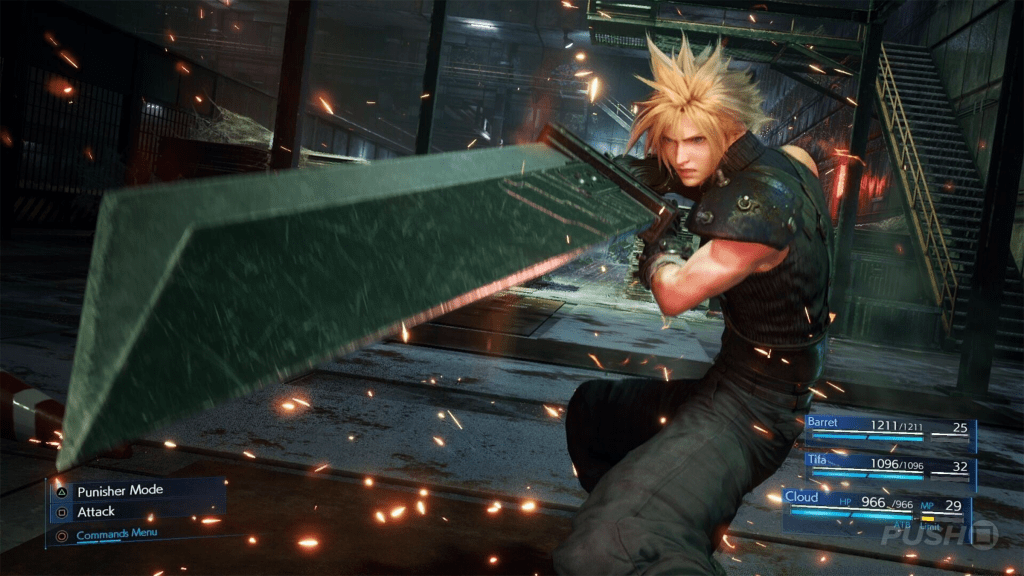
Modern gamers can fire up their old PlayStation or Nintendo 64 to relive the glory days, and while many do, the better option is remakes. Just look at what Square Enix has done with its remake of Final Fantasy VII. The game was probably at the top of the list of requests by players for a remake for decades, and it took a long time for Square to get it done. When the studio finally put it together in 2020, Final Fantasy VII Remake and its enhanced version sold incredibly well. As of writing, Square has sold nearly 9 million copies. The game improves on the original design, making it more palatable to modern audiences.
This effectively makes the remake an entirely new game, but it’s also the original game dressed up to be new and improved, and Square is reaping the profits. Another franchise that’s excelled at remakes is one of Capcom’s greatest: Resident Evil. Thus far, Capcom has produced several remakes, including Resident Evil 2 in 2019, Resident Evil 3 in 2020, and Resident Evil 4 in 2023. Capcom previously remade Resident Evil in 2002, and included 2, 3, and 4 in the Resident Evil Remake Trilogy released in 2024. These games are not only big sellers but also tap into nostalgia, making money from decades-old properties.

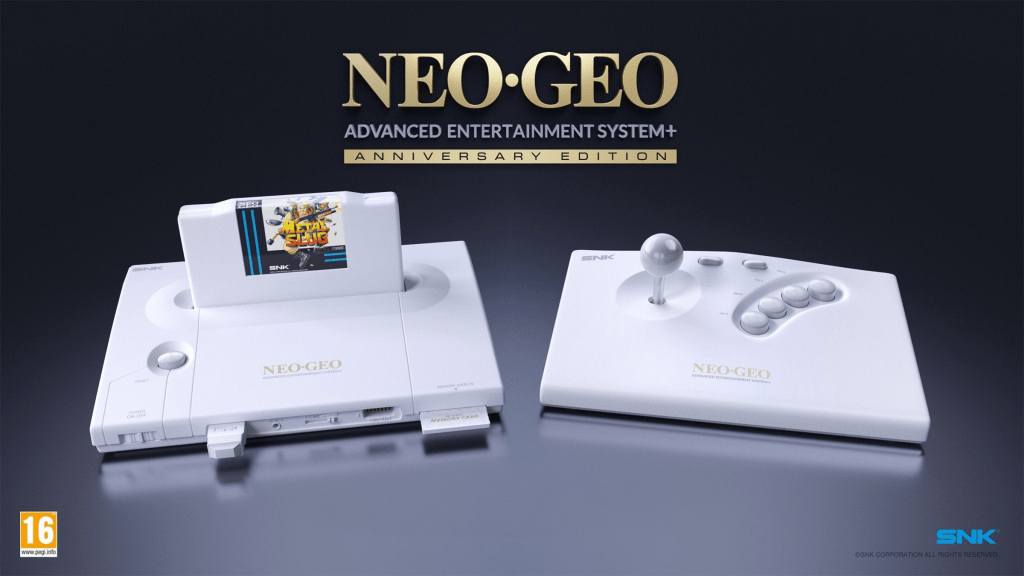
Remakes and remasters are only one aspect of how companies tap into nostalgia to make money, as there’s hardware to consider. Nintendo was one of the first to release a mini console version of its retro system with the NES Classic Edition. They sold out almost immediately as collectors had to have them, and they were scalped like crazy on eBay. Other similar systems followed, and recently Plaion Replai teamed up with SNK to release the Neo Geo AES+, essentially the same system SNK released as a home console back in 1991, but at a lower price. It’s a niche item, as it was originally, and it will sell like hotcakes, too.
Video Game Nostalgia Isn’t Going Anywhere
Perhaps the best thing about video game nostalgia is that it’s not going anywhere. People like me who played arcade games in the 1980s will continue to pay outrageous sums of money for little arcade cabinets they display on a wall. The generations that follow will do the same with the devices they grew up playing and the games they enjoyed. They’re already talking about a Red Dead Redemption 2 remake (enhanced version), and the game is less than a decade old. Regardless, there’s a market for it, and as each generation of gamers gets older and has more money to burn on the things they love, devs will continue to remake and re-release the games they enjoy.
What do you think about the huge chunk that nostalgia plays in the gaming industry? Leave a comment below and join the conversation now in the ComicBook Forum!
