The gaming industry is a rather fluid and fickle beast, with previously immensely popular fads and trends swiftly tossed out the window in favor of the next rising obsession. Where once radio towers and gunmetal gray environments reigned supreme, now all anyone can talk about is immersive worlds. We really love the word immersive, I especially. This rather sudden abandoning of popular trends is a little bizarre, but perhaps expected in an industry with an insatiable hunger for innovation, both technical and mechanical.
Videos by ComicBook.com
However, while some trends likely deserve to remain dead and buried, there are others that, on reflection, should be given another chance to prove their worth. Indeed, a convention from the 2000s that stuck out like a sore thumb and was endlessly divisive, in my opinion, is most befitting of a redemption. I speak of movie tie-in games, the much-maligned practice of turning one-and-a-half-hour movies into eight-hour video games that dominated the gaming industry for quite a while. Their absence is felt greatly, and I feel it is about time we saw them make a glorious return. After all, they’re sorely needed now more than ever.
Movie Tie-In Games Were Better Than You Remember
I feel that movie tie-in games garnered a somewhat negative reputation. Sure, there were plenty of blatant cash grabs designed solely to bolster ticket sales and retain consumer interest in a particular franchise or IP. Not every movie tie-in game was a certified classic worthy of standing side-by-side with its more conventional contemporaries. However, there were plenty of legitimately great movie tie-in games, many of which are not only still enjoyable now but showcase exactly why the medium was so important to both the industry and players alike.
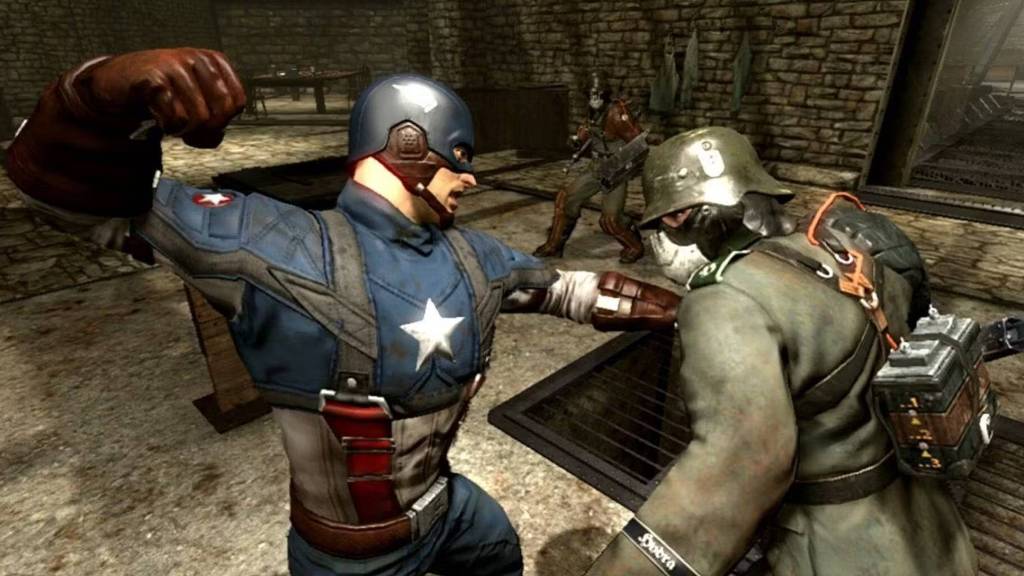
Take, for example, Captain America: Super Soldier, a game so good it quite literally inspired a reimagining of Captain America’s fighting style in The Winter Soldier film. It wasn’t perfect, but it did an impressive job of both encapsulating the adventurous spirit of the film it was adapting while also implementing enough of its own ideas to make it feel distinct and enjoyable as a standalone experience. It represents the level of quality that movie tie-in games needed to be, illustrating the value they added to both the source material and the industry. Captain America: Super Soldier didn’t need to be as good as its contemporaries, because it wasn’t designed to be a GOTY contender. Rather, it is a fun addition to a moviegoing experience that further fleshed out details from the film and allowed players to interact with media they enjoy in a whole new way. It was ostensibly a modernized version of companion novels for a new generation.
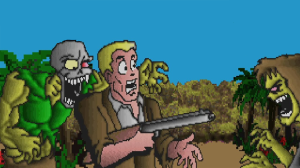
I think, somewhere along the way, we lost sight of that. We began to feel as if not only did movie tie-in games need to be held to a much higher standard, but games in general could no longer be merely mediocre. That is partially deserved, as, after all, the medium has become more of a niche luxury than an accessible hobby due to rising prices across the board. However, I think the notion that a 7 or even a 6 out of 10 means it’s a dreadful piece of garbage barely worth the code it was written with is ludicrous. This new prohibitively high standard of quality was unattainable for movie tie-in games that were designed to be built on small budgets and in tight timescales, and thus, they were ousted from the gaming industry.
The Death Of Movie Tie-In Games Has Hurt The Industry
What this has meant is that we now no longer get movies set within a lot of the universes that we enjoy seeing on the silver screen. Captain America: Super Soldier is one of the best Marvel games, not because it is a masterpiece (although I stand by it being a pretty great game), but because there are so few Marvel games in general. Sure, we get a fighting game now and then, but single-player adventures that mimic the experiences we see on the big screen are few and far between. The new norm is crossover events with live service titles like Fortnite or mobile games that exist for all of two minutes before being swiftly delisted from the app store.
In killing movie tie-in games, we’ve lost access to a way of interacting with our favorite characters, of delivering ideas that are impossible to execute in film. Crucially, we’ve also moved further and further away from the mid-budget title, games designed not to be masterpieces, but, as aforementioned, merely entertainment. Gaming is an art form, of that I have no doubt, but it also exists as a form of fun, a means through which we can take an enjoyable sojourn from the horrors of the world. By removing mid-budget titles, by pouring our hopes and dreams into gargantuan games with over-inflated budgets, we end up with fewer games that ultimately end up playing it safe.
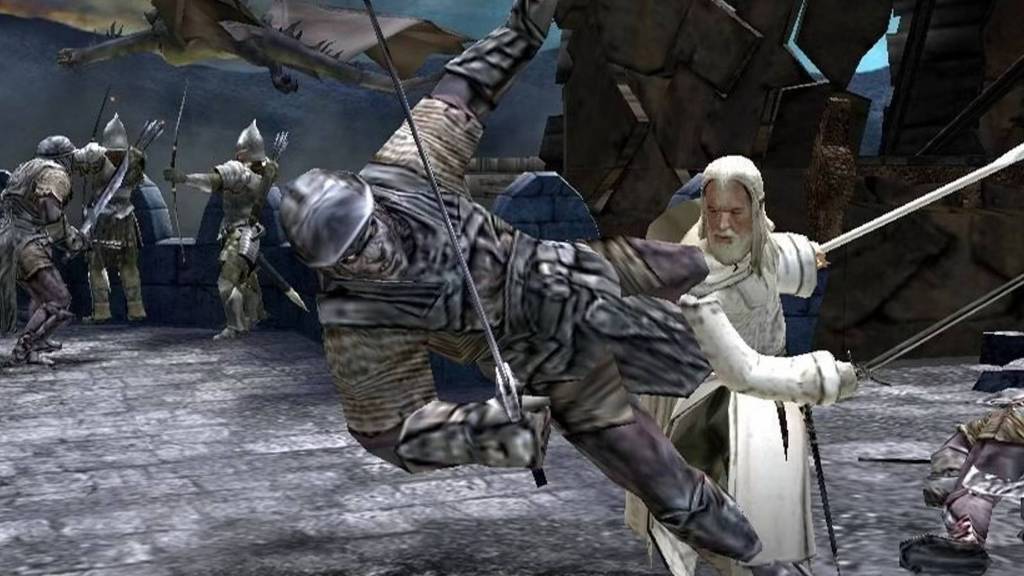
To be clear, I’m not advocating for crunch or ridiculously short development cycles to be the norm. Rather, movie tie-in games, much like the films they were adapting, existed to be the comfort food we consumed between the critically acclaimed GOTY winners that took bold risks. Big budget games should be taking those risks, but, without the buffer of games like Captain America: Super Soldier, the phenomenal Lord of the Rings tie-in games, Spider-Man 2 on the PC, or one of the best X-Men games ever made, X-Men Origins: Wolverine, they can’t.
We Need Movie Tie-In Games To Make A Return
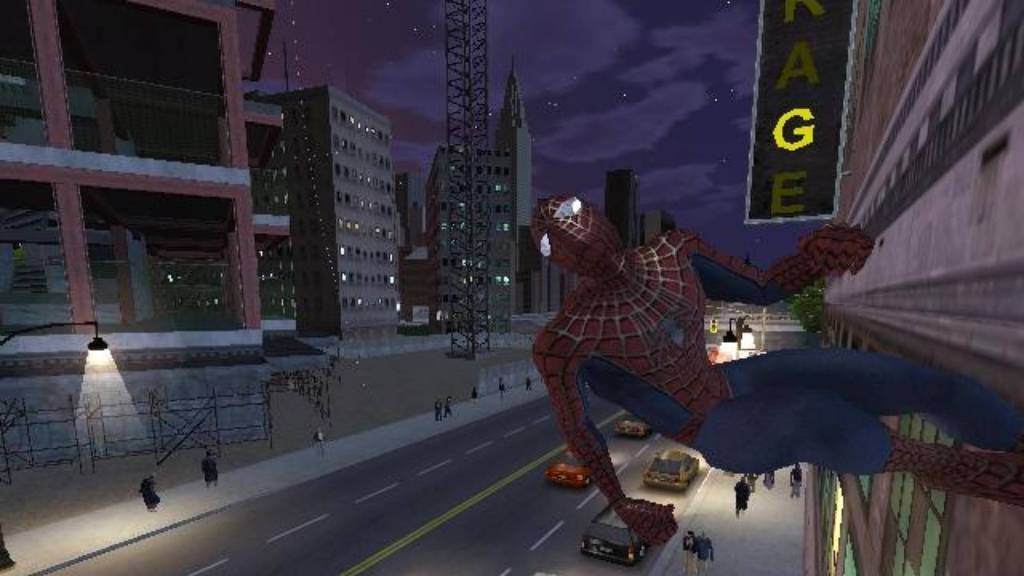
Movie tie-in games weren’t without creative merit, either. They were entertaining, as aforementioned, but they also helped introduce or expand upon gameplay features and mechanics that are beloved today. The web-swinging in Marvel’s Spider-Man, for example, was heavily influenced by Spider-Man 2’s movie tie-in game and its approach to the fluidity of the titular hero’s movement. Just because they were designed to capitalize on the success of a movie and built on small budgets doesn’t mean that the developers behind them, in all instances, didn’t have great ideas.
Some of the most prolific movie tie-in developers went on to create incredible games. Platinum Games, the developer of Nier: Automata, Bayonetta, and Metal Gear: Rising, also created Transformers: Devestation and Teenage Mutant Ninja Turtles: Mutants in Manhattan. The developer of Dead Space, Visceral Games, predominantly made movie tie-in games, including the absolutely phenomenal Godfather movie adaptations, James Bond games, and The Lord of the Rings: The Return of the King video game. Often, these studios would take on these projects, inject them with as much of their creative spirit as possible, and then use the money earned making it to develop the games they wanted to create. Without this source of revenue, studios hoping to take big risks have to rely on big publishers like PlayStation and Xbox, who have a habit of cancelling games and shutting down studios.

Of course, movie tie-in games as we once knew them will never make a return, not least because of the high expectations from players and the gaming industry’s penchant for inefficiency and ballooning budgets. However, they offered so many benefits, financial and creative, that it makes sense to at least try and resurrect them, if only in spirit. If not direct tie-ins to movies, then perhaps simply the notion of a mid-budget game designed to entertain can make a comeback. Now, when it feels like the industry is imploding in on itself, we could do with a little of the magic these games once brought.
Do you think movie tie-in games should make a return? Leave a comment below and join the conversation now in the ComicBook Forum!
Most Viewed
-
Courtesy of Warner Bros. Japan -

Image Courtesy of TOHO