Open-world games have taken over the gaming industry. Nowadays, it feels like developers slap this feature on games that don’t need it, such as Halo Infinite’s campaign. But open-world games have reached a point where innovation feels increasingly rare. Over the past decade, the industry has leaned heavily on familiar formulas: tower reveals, map markers, crafting loops, and predictable upgrade paths. Occasionally, we see games like The Legend of Zelda: Breath of the Wild that shake up this formula, but these games are rare. But as 2025 wraps up, a handful of games have the potential to change this.
Videos by ComicBook.com
What makes this moment exciting is that these upcoming titles aren’t merely expanding the open-world genre; they are changing it with new mechanics or unique twists on existing mechanics. These games aim to create expansive worlds that feel alive and reactive, dynamic rather than static. These three games are slated to release in 2026 and could drastically change expectations for the open-world fantasy games.
3) Fable
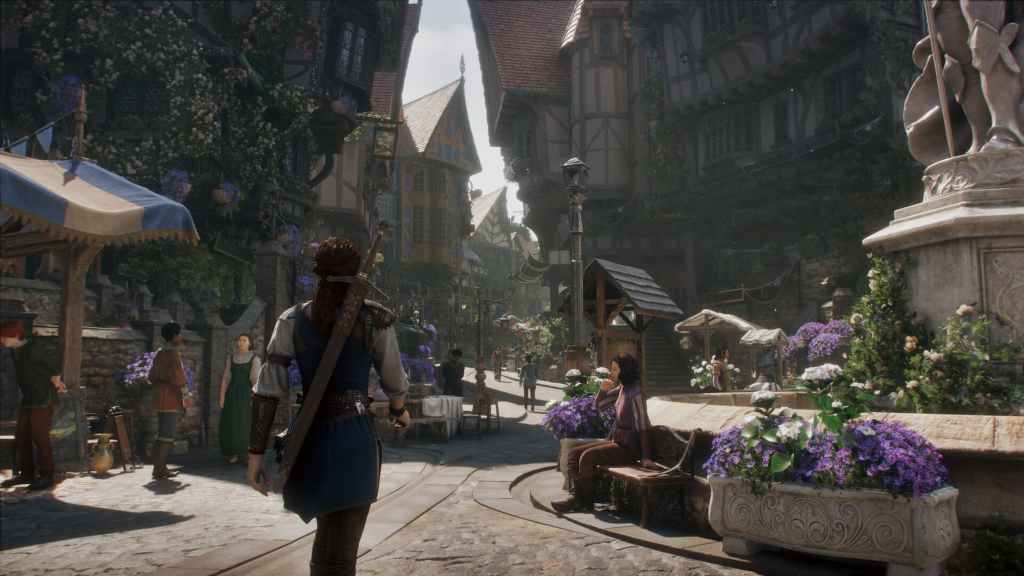
Fable’s return has created one of the most intriguing questions in gaming: can an iconic franchise reinvent open-world fantasy for a new generation? The original trilogy shifted the expectations of the genre, and the reboot has the potential to do the same. Microsoft has been quiet on details, but the game is shaping up to be a visual treat. With little known about the gameplay and narrative, all that is left is speculation and looking at the Xbox 360 era games.
Unlike many fantasy RPGs that lean into grim, oppressive atmosphere, Fable has always thrived on personality, humor, and charm. Its world-building thrives on whimsical lore and exaggerated characters, as well as a distinct sense of identity that separates it from more traditional fantasy games like Skyrim or Dragon Age: Origins. If the reboot successfully captures that spirit while elevating it with modern technology, it could offer something dramatically different from other open-world games.
What makes Fable especially promising is its potential to merge its signature storytelling style with deeper systemic interactivity. Earlier titles featured moral choices, evolving towns, and protagonist transformations that reflected player decisions. Imagine those concepts expanded through advanced simulation, emergent narrative, and more reactive environments. With modern hardware and new development philosophies, Fable could turn into more than a nostalgic revival; Fable could redefine how open-world RPGs handle humor, consequence, and player expression.
2) Crimson Desert
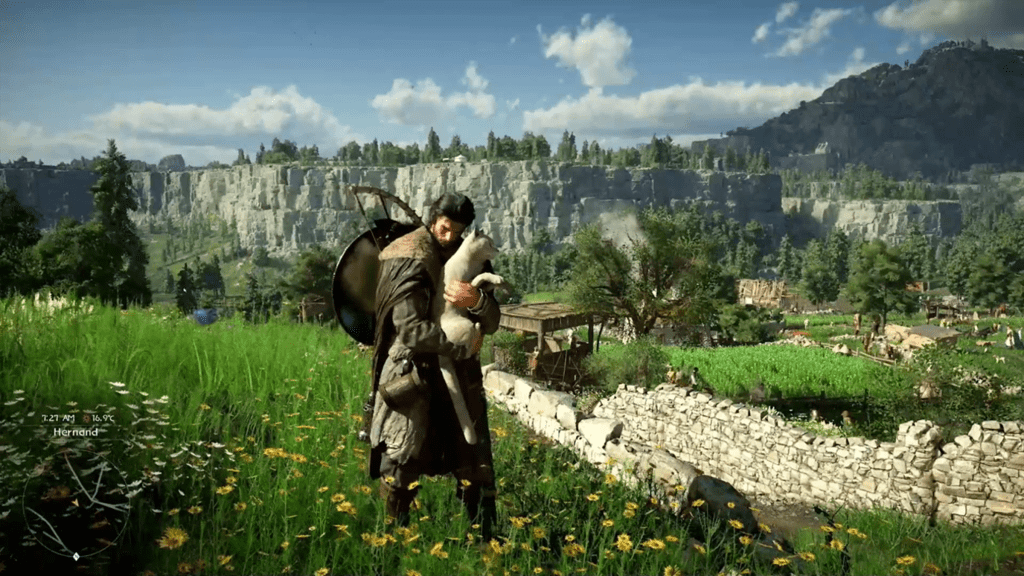
Few upcoming fantasy worlds are generating more buzz than Pearl Abyss’ Crimson Desert. This is a game positioned to deliver one of the largest, most visually impressive open worlds the genre has ever seen. Many games have taken inspiration from The Legend of Zelda: Breath of the Wild, one of the most influential open-world games of this generation, and Crimson Desert is wearing this on its sleeve. It aims to capture the same expansive world while striking out toward a more mainstream audience.
What immediately stands out is how many ambitious features the game attempts to integrate. From aerial movement and grappling-based traversal to sprawling cities, large-scale battles, environmental interactivity, and dynamic weather, Crimson Desert is shaping up to be a true next-generation sandbox. The freedom it offers is almost overwhelming: what other game lets you ride a horse, dragon, and mech in the same world? But crucially, it wants this freedom to feel organic rather than scripted.
This is where the game could meaningfully influence the future of open-world design. Instead of relying on tired map-marker clutter or endless fetch quests, Crimson Desert appears focused on delivering a world that encourages natural discovery like Breath of the Wild and Tears of the Kingdom. Its environments look handcrafted, its systems interlock in interesting ways, and its world seems designed to pull players in with a vast array of combat and exploration options. Its shift toward immersive exploration could become a benchmark for large-scale fantasy design.
1) The Blood of Dawnwalker
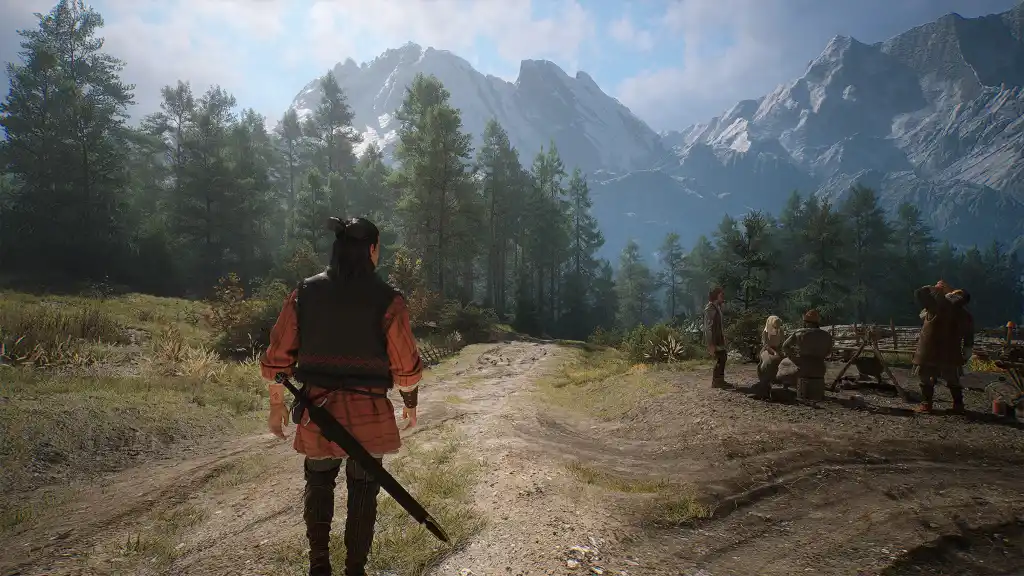
Among upcoming fantasy RPGs, The Blood of Dawnwalker may be the most daring and most likely to inspire a wave of new ideas. The developer, Rebel Wolves, is composed of former Witcher 3 developers, and has introduced a mechanic that fundamentally changes how the players interact with the world: real, consequential time. Coen has a limited amount of time to save his family, and this time moves forward as you progress through the main quest. From the beginning, the game shows you that not everyone can be saved, forcing you to manage your time and make hard choices like few games do.
Beyond this, the day-night cycle also has a massive effect on gameplay. During the day, Coen relies on his human characteristics and enjoys a variety of activities or speaks to people. During the night, he transforms along with the world. Threats multiply, environments behave differently, and certain activities become impossible. But Coen grows stronger and has full access to his vampiric abilities. Every decision matters, even when you take and complete quests, adding a layer of tension and choice that makes each moment more impactful.
This mechanic alone has the potential to influence the entire genre. Many open-world games offer massive maps and encourage you to explore, but this often puts the main quest on the sidelines. Narratively, this feels odd. Instead of saving the world, the protagonist is fishing or completing fetch quests. In The Blood of Dawnwalker, time is used effectively as a narrative engine, always pushing you and the plot along. There are still side quests and activities you can enjoy, but you have to keep your limited time in the back of your mind when weighing what to do. The idea of a world that changes not just because of player actions but because of time itself could open the door to more dynamic, responsive, and replayable fantasy RPGs.
What do you think? Leave a comment below and join the conversation now in the ComicBook Forum!
Most Viewed
-

Courtesy of TOHO Animation -

Image Courtesy of A-1 Pictures -
Image Courtesy of Marvel Comics -

Image Courtesy of MAPPA