Rhythm games have been around for decades, but they didn’t start to gain serious traction until the late 1990s. That’s the decade that saw widespread growth in both arcades and on home video game consoles. Toward the end of the ‘90s, several franchises arose and died, while others launched and became some of the most prominent, dominating for many years. There were dozens of great rhythm games released in the 1990s, and these five are the best, ranked by contemporary critics’ reviews upon release, how much fun they were to play, and their overall impact on the genre.
Videos by ComicBook.com
1) Vin-Ribbon
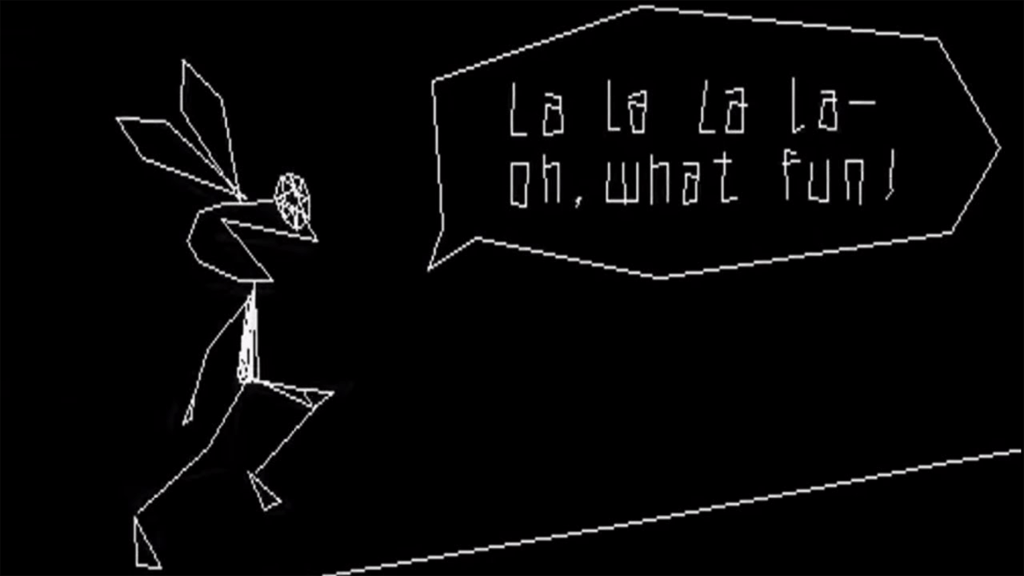
Vin-Ribbon was a PlayStation-exclusive released in Japan in 1999, though it wasn’t released in North America, so it wasn’t well known across the Pacific until a 2014 re-release. Interestingly, the game started as an advertisement for Mercedes-Benz, but the plan was scrapped, leading to its continued development as a video game. Once the game disk was loaded into the system, the player could swap in a music CD, which would then establish custom levels based on the tracks. Gameplay involved moving Vibri the rabbit across a line while avoiding obstacles as the song’s beat directed the action. It was certainly unique and impressive, making for a fun experience every time you threw in a new CD.
2) Samba de Amigo
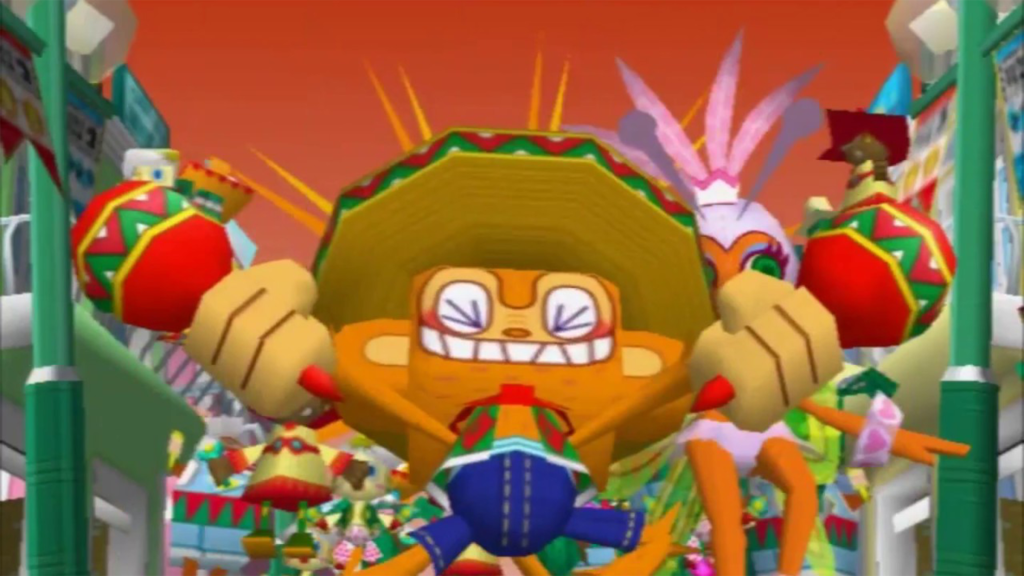
All kinds of rhythm games used various peripherals for interaction, and Samba de Amigo used something other titles didn’t: maracas. Gameplay involves holding a pair of maraca controllers, and as a song plays on-screen, the player shakes the maracas to the beat at different heights, as guided by the graphics. They also had to strike poses periodically as the game progressed, and it was a lot of fun, whether played in arcades, on the Sega Dreamcast, or eventually on the Nintendo Wii and Switch. There’s even a VR version for Meta Quest headsets.

3) Space Channel 5
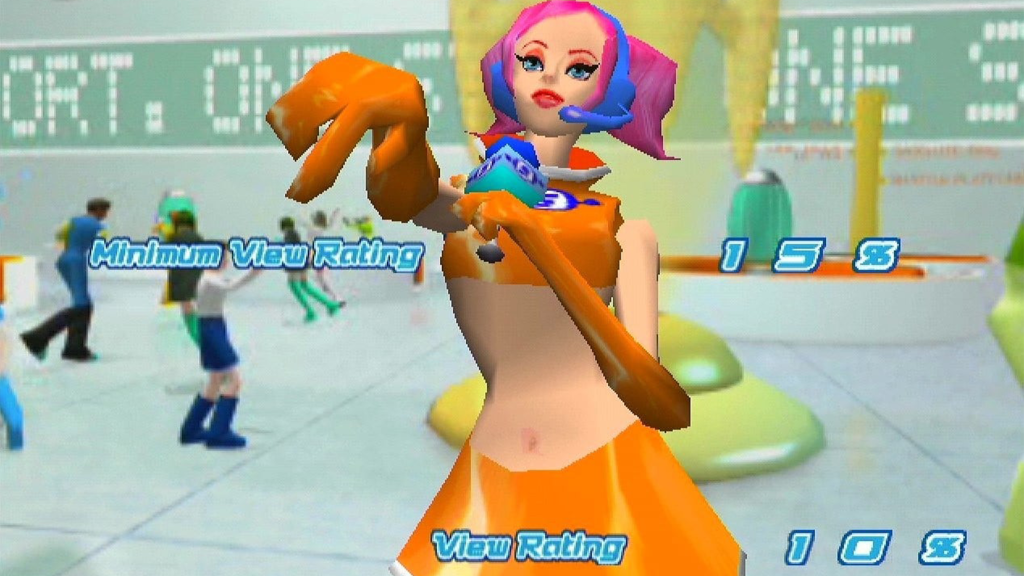
Space Channel 5 is a 1999 game originally released on the Sega Dreamcast, later ported to other systems. The game is set in space and focuses on a reporter named Ulala who investigates an alien invasion. Gameplay involves rhythm-based combat, where Ulala mimics her opponents in time to music that the player must emulate. While quirky and featuring a somewhat retro visual style, Space Channel 5 was a blast to play. It didn’t sell well initially, but it did well among players and critics, spawning a small series that saw a sequel released in 2002.
4) Dance Dance Revolution
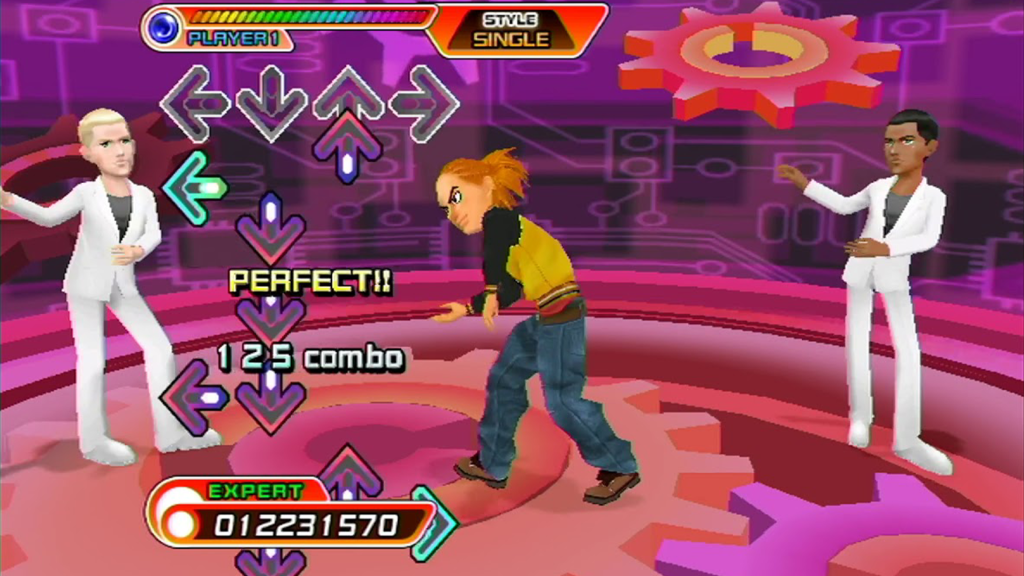
Dance Dance Revolution may not have been the first rhythm game, having been released in 1998, but it certainly was the first to be incredibly successful. The arcade game established the franchise, first in Japan and then in Europe and North America in 1999, where it became incredibly popular. It spawned a massive franchise, with additional arcade machines released over the years featuring several enhancements. Multiple ports to home video game consoles with specialized attachments enabled home gameplay, and DDR became a cultural phenomenon and one of the best rhythm franchises of all time.
5) PaRappa the Rapper
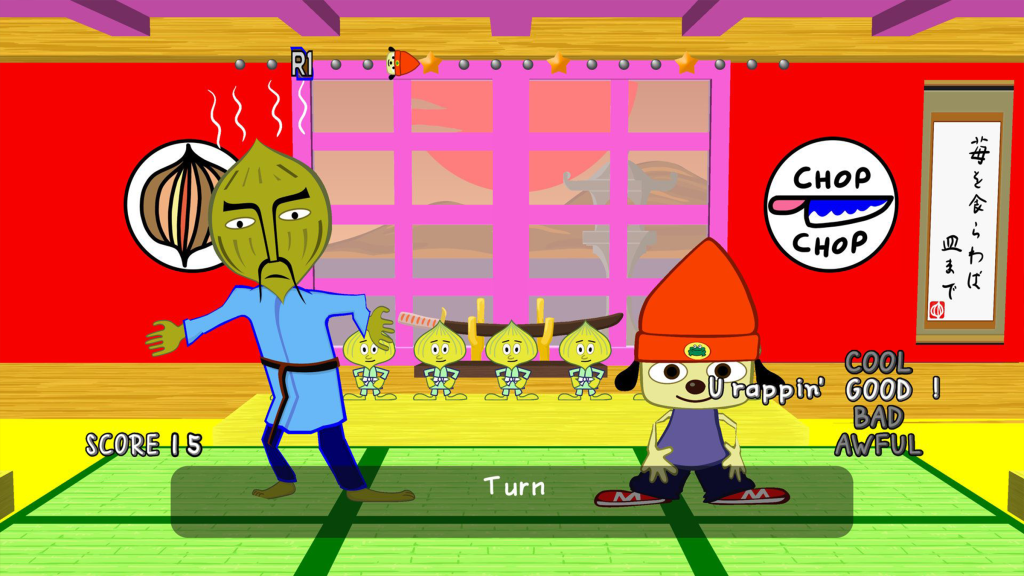
PaRappa the Rapper is a 1996 rhythm game for the PlayStation featuring rap-based gameplay. It’s considered to be the first true rhythm game, having established many of the mechanics and norms that would be copied by all of the games that followed. In terms of critical reception, PaRappa the Rapper is the clear winner of the 1990s, maintaining widespread critical acclaim worldwide, and its success launched a small franchise. In many ways, PaRappa the Rapper was the archetypal rhythm game. While other titles preceded it, PaRappa the Rapper truly broke the mold, helping establish the genre as it exists today.
What’s your favorite rhythm game from the 1990s? Leave a comment below and join the conversation now in the ComicBook Forum!
Most Viewed
-
Image Courtesy of Ufotable -

Image Courtesy of Crunchyroll -

Image Courtesy of Toei Animation