
Oftentimes, a Dungeons and Dragons character will have their combat focus be dedicated to melee fighting, with several class archetypes created around that idea. Close-range combat isn’t as varied as spellcasting, but that doesn’t mean there aren’t builds who add interesting layers to a melee approach. In some cases, characters can become extremely powerful from manipulating the simplest form of combat in the iconic TTRPG, becoming their party’s biggest damage dealer in the process.
Videos by ComicBook.com
Unlike powerful spellcasting characters in D&D, melee fighters have far fewer options when it comes to their general array of abilities. Martial characters who don’t rely on magic are seen in classes like the Barbarian, Fighter, or Rogue, who have features to compensate their straightforward strengths. The best melee characters are ones who gain more opportunities to strike, outpacing magic users and gaining more chances to guarantee high damage against the biggest enemies to their allies.
5. The Hexblade Warlock
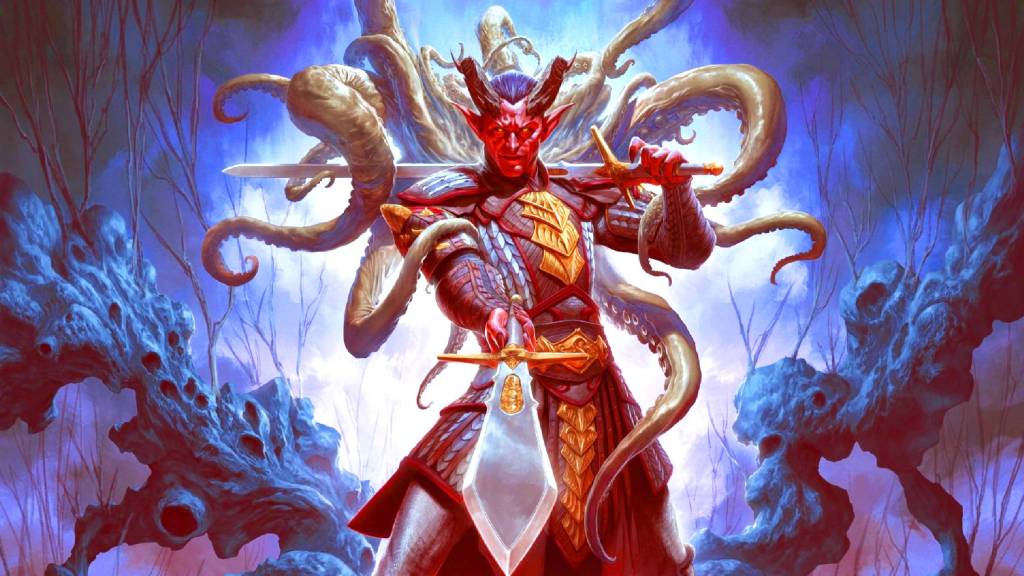
Arguably the most popular Warlock build is the Hexblade, one of the most powerful melee archetypes in the game due to its marriage of might and magic. The Hexblade turns the Warlock’s magic into something practical, giving themselves protective spells like Shield and Blur, or explosive incantations like Wrathful Smite and Branding Smite to enforce their melee prowess. While most Warlocks can’t use melee fighting equipment at all, the Hexblade breaks this convention by allowing your character to proficiently wield shields, martial weapons, and medium armor, even granting you a weapon to bond with so you never lose it.

However, the biggest boon of the Hexblade comes from the Hexblade’s Curse. This Curse can be applied to an enemy, giving your character bonus damage and a restoration of Hit Points if you slay that target. At the same time, you have an easier time scoring critical hits against that target while it’s cursed, an ability that hardly any other melee character build has in the game. Additional Pact of the Blade features can turn the Hexblade into a monster on the battlefield, with a Curse that only improves over time for unrivaled melee dominance.
4. Path of the Giant Barbarian
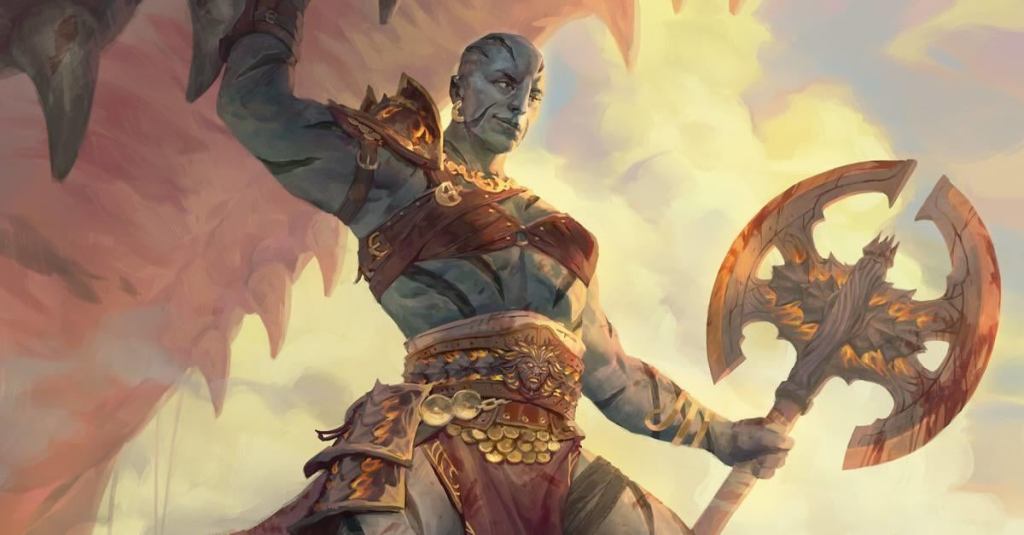
Although there are plenty of great Barbarian builds for melee fighters, including the Path of the Totem Warrior, the Path of the Giant provides something no other subclass in this archetype does. This type of character can grow to a Large size, making it harder for big enemies in combat from restricting your melee skills through grappling or restraining conditions. Furthermore, you get to add elemental damage onto your attacks, bypassing enemy defenses with a weapon that gains the “Thrown” property too.
This build has flexibility in D&D by granting your weapons extra reach and range, making up for the typical weakness of purely melee characters. The Path of the Giant Barbarian can even move targets forcefully, causing them to take fall damage depending on where you place them. With your size and reach increasing further at later levels too, you won’t have to worry about being out of range of enemies at any point, with options for any situation. Among melee character builds, the Giant Barbarian adds range to its arsenal for extra adaptability.
3. Battle Master Fighter
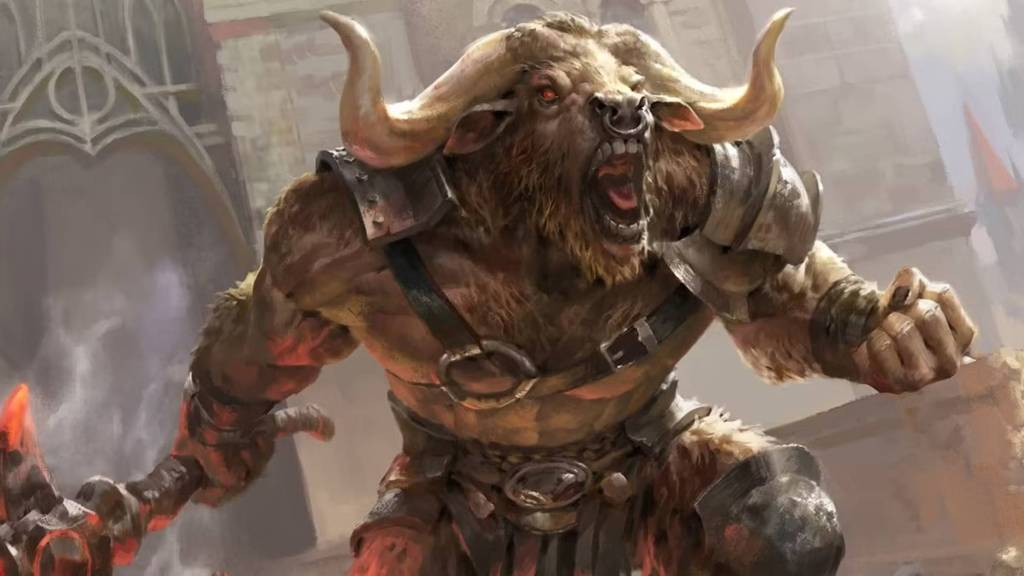
There are many great melee builds for the Fighter class, but the Battle Master remains the pinnacle of that archetype’s potential. Even though the Cavalier, Echo Knight, Rune Knight, and Psi Warrior all are great subclasses, each of them pale in comparison to the number of options Battle Masters receive through their Maneuvers. A Maneuver is similar to a melee class’ Fighting Style, acting as a unique ability that adds extra tactical angles to combat when your character fights. These Maneuvers are supported through Superiority Dice, which add extra damage to nearly every strategic move you make.

Battle Masters have 23 different Maneuvers to pick from, including options to buff nearly every aspect of their character. Disarming attacks, Goading attacks, Tactical Assessments, a strong Parry, and more offer nearly endless possibilities for a Battle Master Fighter to use. You get three of these Maneuvers when you pick this build, but gain two more at Levels 7, 10, and 15, leaving you with nine total at your peak. With additional skills to study and learn about enemy weaknesses, the Battle Master is consistently one of the best melee build options around.
2. Way of the Astral Self Monk

For players simply looking for a melee build that gets to attack more than anyone else, the Way of the Astral Self Monk is a match made in heaven. This Monk subclass grants you a set of spiritual arms for the cost of a ki point, causing a burst of force that damages nearby enemies right away. With these arms active, you can use them to make unarmed strikes, utilizing your character’s Wisdom rather than Strength or Dexterity for attack and damage rolls.
Extended range on your melee attacks evolves into a full body of spiritual energy over time, transforming your arms into a larger visage. Empowered damage and energy deflection make this class build one of the coolest in the game, especially as you awaken your spiritual form at Level 17. Without making a mistake in D&D, an Astral Self Monk at their strongest can use multiple features to attack upwards to six times in a single round, inflicting huge damage on anyone dumb enough to enter your melee range.
1. War Domain Cleric

The War Cleric is a build that wholeheartedly buys into a divine warrior made for fighting the evils of the world up close and personal. Right as you choose this subclass, you gain spells tied to additional fighting skills, such as Shield of Faith and Magic Weapon. Strong defensive and offensive magic gained at later levels create a balanced fighter, while extra proficiency in martial weapons and heavy armor grant you a full range of equipment to use.
As a War Priest, you gain extra attacking options compared to other Clerics, with Channel Divinity: Guided Strike allowing you to ensure your blows hit enemies every time. At Level 6, you can impart this bonus to attack rolls to allies too, making sure everyone is able to fight without restraint in the toughest situations. Divine Strike at Level 8 gives this character archetype greater damage on their attacks too, almost guaranteeing continuous punishment to your party’s foes every turn.
This melee build might be the easiest one for beginners to put together, without too much complexity in what their character can do. That being said, this build’s access to healing magic in addition to strong melee combat skills almost make it completely self-sustaining, truly creating a “broken” version of a close-range combatant in Dungeons and Dragons.
What melee build have you found to be the most broken in D&D? Leave a comment below or join the conversation in the ComicBook Forum!
Most Viewed
-

Courtesy of Eight-Bit -

Courtesy of Lionhead Studios -

Photo by Jesse Grant/Variety via Getty Images -

Image courtesy of 20th Century Studios -

Courtesy of Kadokawa / Shosetsuka ni Naro -

Image via Prime Video


