It’s easy to experience an incredible game and want more, either from the creation of an ongoing series to a simple sequel that re-captures the unique feel of that title. However, some of the best games ever made were ones that exist in solitude, remaining independent without anything diminishing the original hit that captured the hearts of fans everywhere. Although remasters sometimes update these games well, they are reminders that full remakes, overdue follow-ups, or other extensions of a title just wouldn’t be the same.
Videos by ComicBook.com
Plenty of games have had their reputations lost or softened by a sequel that didn’t live up to expectations. One of the most infamous examples of this is The Last of Us 2, a game that many felt didn’t need to exist after The Last of Us had a relatively complete story. Occasionally, the more often fans revere a singular game, the less likely that they will accept it turning into a full series or franchise, especially if it fails to realize the appeal of that title in the first place.
5. Sleeping Dogs

The 2012 game Sleeping Dogs wasn’t as popular on release as it became over time, developing into a cult classic for its original take on an open-world sandbox. Players quickly realized that this game wasn’t a Grand Theft Auto clone, but something akin to a classic Hong Kong action movie, with robust combat that featured nuanced martial arts and environmental take downs that you would see from a Jackie Chan film. When combined with a gritty setting and narrative, this game’s atmosphere is incredibly different from others in its genre.

Originally, there was a sequel planned for Sleeping Dogs that got cancelled in 2016 once the studio behind it, United Front Games, closed down. Looking back on the game nearly 14 years later, it exists as something remarkable in a genre that typically falls upon the same tropes too often. In some ways, the later games in the Yakuza series mimic Sleeping Dogs, but don’t adopt the same tone it had. Although there are still pushes for a sequel or live action adaptation, Sleeping Dogs‘ blend of ideas might work better as a stand alone title.
4. Disco Elysium
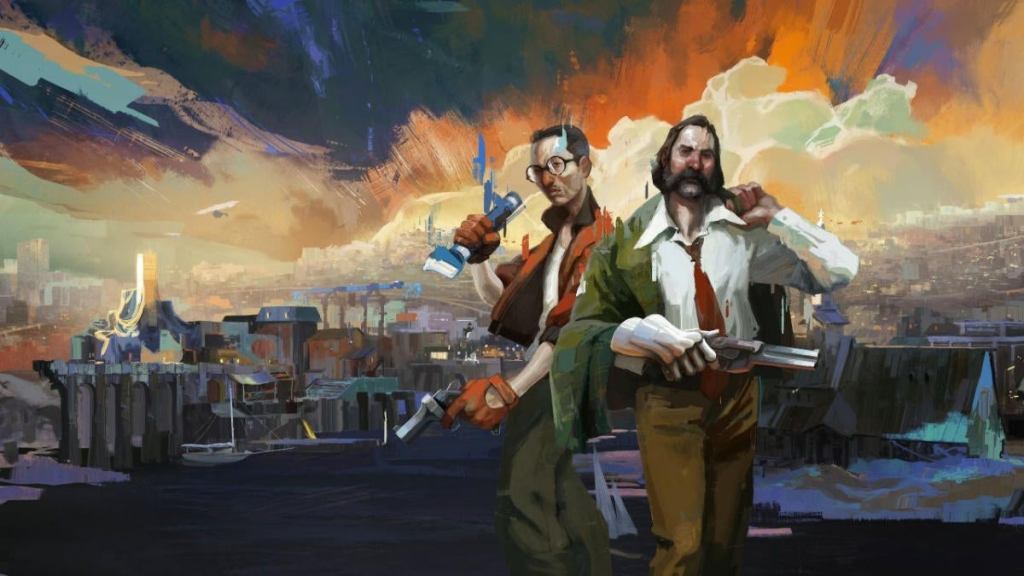
Disco Elysium is a game that should have spawned multiple well-written sequels, but internal struggles with the title’s development studio has made that impossible. This game was an almost impossible product, creating a point-and-click adventure that was comparable to amazing CRPGs of the past. Voiced internal monologues, a deep mystery, and a cast of beautifully complex characters shaped a game with an identity almost no other has matched since its release.
However, this title’s lifeblood was the injection of the thoughts, feelings, and political observations of its developers, whose experiences in Estonia helped shape Disco Elysium‘s artistic and narrative visions. Biting political commentary had layers upon layers of subtly and detail, a bold writing direction that is unlikely to happen again. Although many imitators to Disco Elysium will come and go, the division of studio ZA/UM robs any title from taking the same steps that made the original game great.
3. Bully
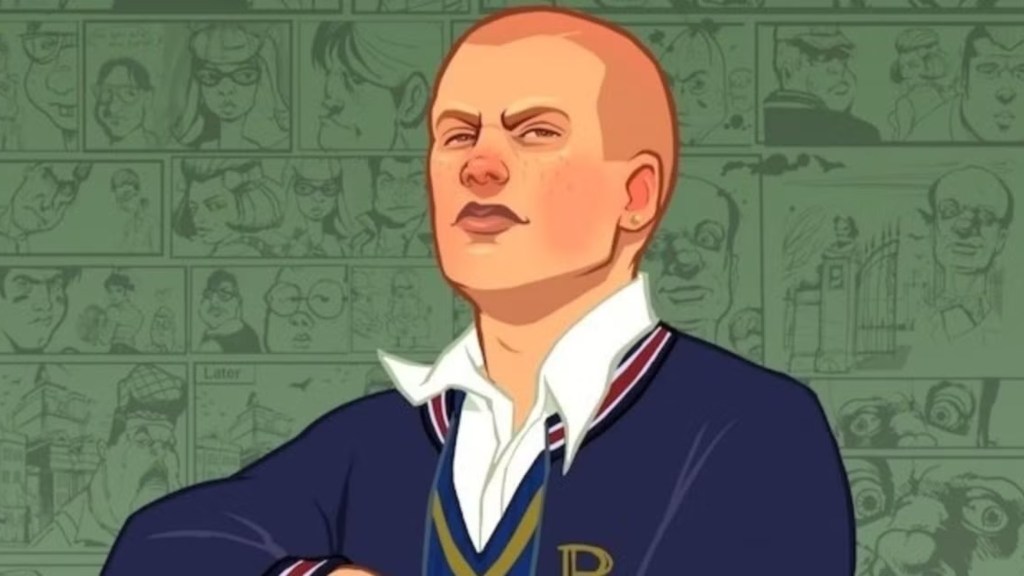
Before Rockstar hit it big with immense titles like Grand Theft Auto and Red Dead Redemption, Bully was an interesting sandbox that has rapidly gained a large collection of fans. Instead of a fantasy world, a war zone, or a bustling urban environment, Bully puts players directly in a school environment, where passing classes is punctuated with harsh violence between students. Far more condensed in its setting, the intricate, almost RPG-like systems in Bully help it stand out in Rockstar’s library.
However, despite its gameplay being enjoyable, Bully is very much a product of its time. The title of this game represents a specific era of harsh social spaces the game emulates, creating a tone that would be hard to replicate in the modern day. Plenty of controversies surrounding Bully‘s original content have likely prevented it from getting a sequel over time. That being said, the sheer difference between Bully‘s scope and newer Rockstar games is incredibly vast too, perhaps making the game a gem of the past rather than something that needs to be brought back.
2. Clair Obscur: Expedition 33

The 2025 Game of the Year winner Clair Obscur: Expedition 33 is a love-letter to classic JRPGs, with satisfying gameplay that merges turn-based systems with action game mechanics seamlessly. Yet, players already asking for a sequel to Sandfall Interactive’s debut title might be jumping the gun a little bit. In many ways, this game is a complete experience from start to finish, with a bravely unique world whose themes of grief could be tarnished somewhat through further exploration.
The lightning in a bottle experience of this game feels very final, mainly due to the conclusion of its story. There’s almost no room for a sequel once the credits roll, as the world building and secrets of Clair Obscur: Expedition 33 are deliberately vague in some ways for players to interpret themselves. Further elaboration on any narrative aspects of the game takes away from the mystery that makes the game’s setting memorable. While Clair Obscur: Expedition 33 could spawn anthologies similar to Final Fantasy, it shouldn’t return to its first world in any kind of “franchise.”
1. Shadow of the Colossus
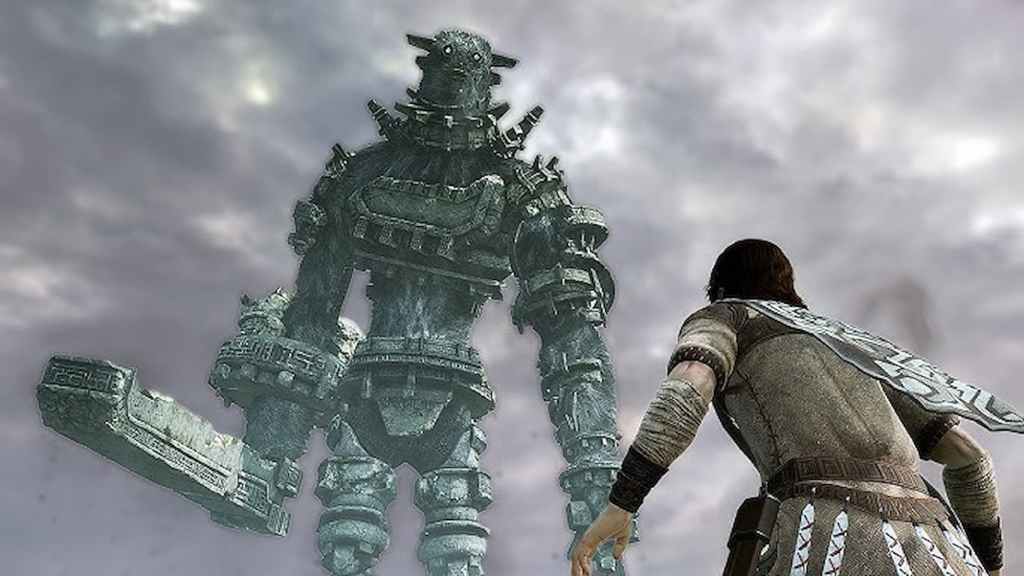
A remaster of Shadow of the Colossus back in 2018 further proves why this game is something that never needs a sequel or franchise to be special. In many ways, this PS2 classic is undeniably singular, defining an experience from a particular era of gaming that would be next to impossible to repeat. Minimalist art direction and an emotional story craft a breathtaking adventure whose simplicity is not something modern games are as comfortable with.

Often considered a must-play, the reason why Shadow of the Colossus never needs a franchise is because of how timeless it is. For starters, traversing across great lands in awe-inspiring exploration doesn’t require you to track down endless collections or missions, but rather gives you time to immersive yourself in the setting. Then, when you go up against the game’s signature massive Colossus creatures, the spectacle is impressive even on multiple replays.
Any sequel, prequel, or spin-off from this game would almost cheapen the unique direction of the original. Due to the simple nature of Shadow of the Colossus, its gameplay is married to its adventure’s design, proving that some games have such a strong identity that they can stand on their own in the minds of players everywhere.
What games do you think don’t need a sequel or franchise expansion? Leave a comment below or join the conversation in the ComicBook Forum!
Most Viewed
-

Image Courtesy of Netflix -
Courtesy of Netflix -
Courtesy of Warner Bros. -

Image Courtesy of Paramount