The fantasy genre has long been one of the most popular for video game developers. It makes sense considering some of the best early games have roots in Dungeons & Dragons. Because the genre has been so popular for so long, it’s not surprising that dozens of great fantasy series have popped up over the years. That said, sometimes developers come out of the gate with their best entry. Future sequels might be solid, but they fail to live up to the hype generated by that first exceptional fantasy game.
Videos by ComicBook.com
Here are five fantasy series that peaked with their very first game.
5) Quest for Glory
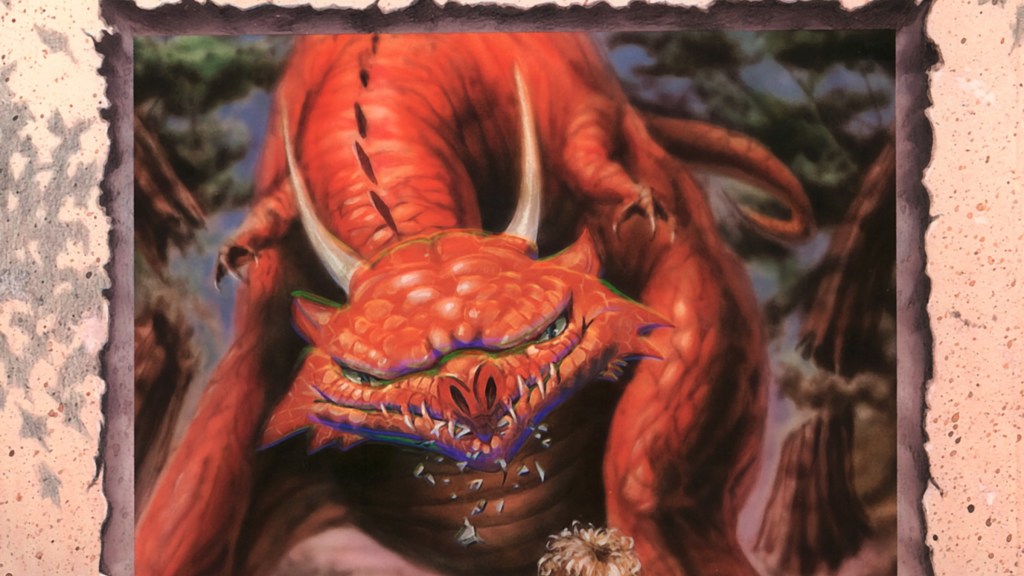
Originally called Hero’s Quest, So You Want to Be a Hero got a name change after Sierra On-Line decided to turn the first adventure RPG into a full series. Directed by Lori Ann Cole, the first Quest for Glory promised players “three games in one.” That’s actually kind of true, but it’s how Sierra marketing Quest for Glory has three different classes. Each of them comes with a unique set of skills, puzzles, and quests, giving subsequent playthroughs their own flair.
The mix of adventure and role-playing elements made Quest for Glory something of a revelation. It earned massive sales and great reviews, which is why it was quickly turned into a series. Some players prefer the sequel, but I’m not a fan of the more limited time constraints, which can make navigating the maze-like city feel like a chore.
4) Risen
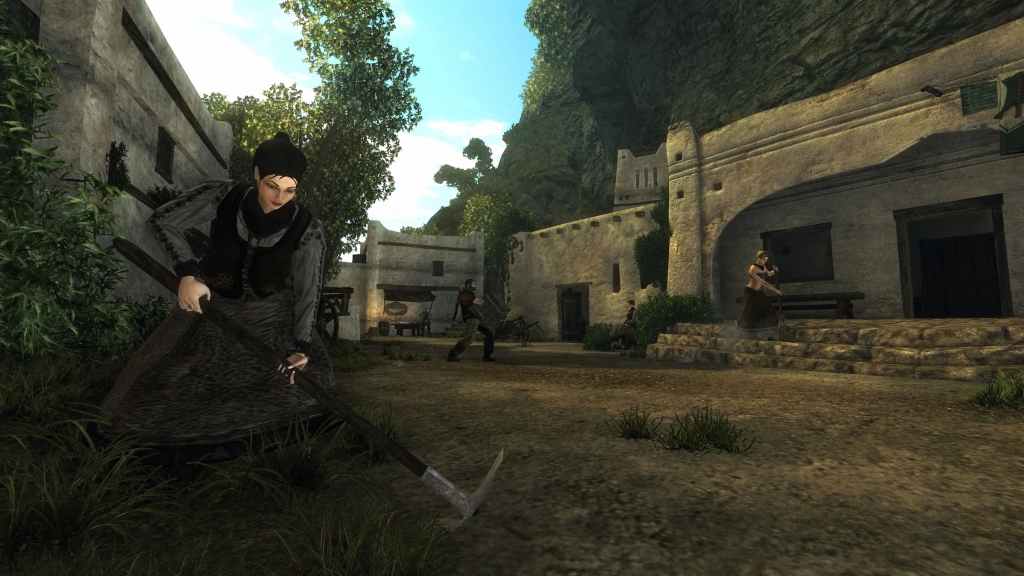
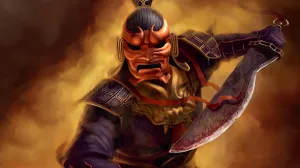
By the time developer Piranha Bytes kicked off the Risen series, fans knew what to expect out of the German team: an in-depth action RPG filled with technical problems. After all, this is the team that made Gothic. That’s exactly what we got. Risen is an ambitious game set on an island inspired by real-life Sicily. You’ll need to brave the island’s wilderness, using Risen‘s versatile combat system.
Learning how to fight in Risen is a challenge, but it’s worth mastering. You have several options at your disposal, and learning when to use them will often be the difference between taking out a high-level monster and dying at its feet. Risen received two sequels, and the pirate-based second game has a great vibe. Still, Piranha Bytes was never able to improve on the first game.
3) Thief
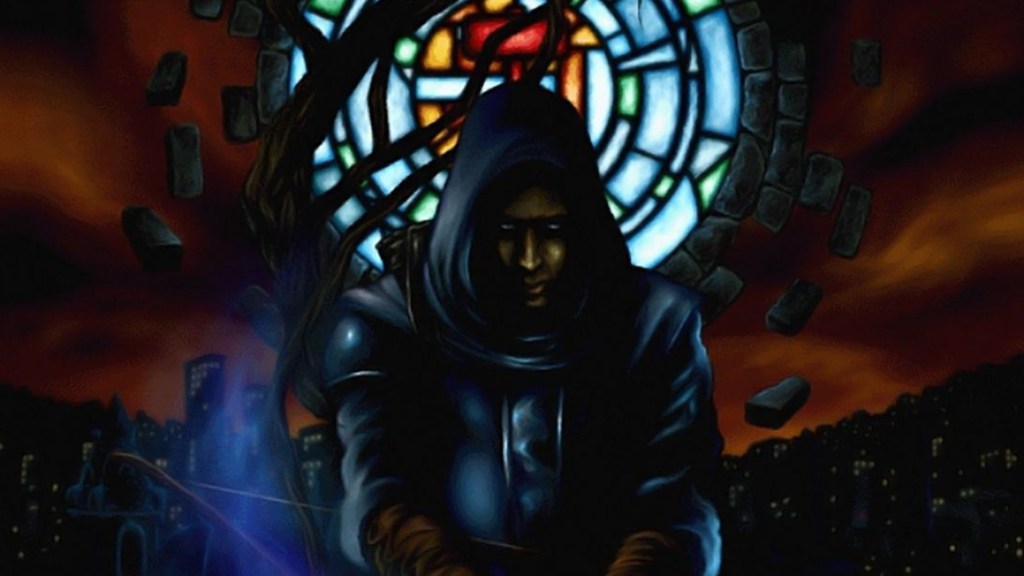
Looking Glass Studios released Thief: The Dark Project in 1998, introducing the world to Garrett. He is a master thief who is sent on a series of missions by a secret society that eventually has him involved in a mysterious plot far beyond what he ever thought he’d get into.
It’s one of the great early stealth games and was widely praised by fans and critics alike. Fans were treated to two sequels of decreasing quality. Don’t get me wrong, Metal Age and Deadly Shadows are solid games, but they didn’t change the genre like The Dark Project. There was also a reboot in 2014 and a virtual reality game in 2025, but Thief fans have spent the last three decades waiting for someone to finally top that first game.
2) Middle-earth: Shadow of Mordor
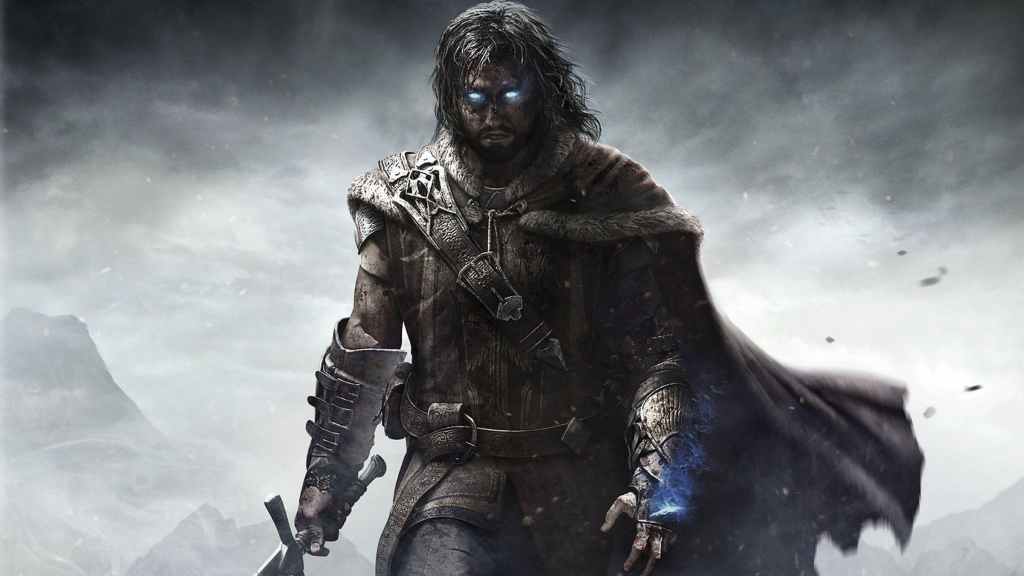
Shadow of Mordor should’ve completely changed the gaming industry. The Nemesis system is one of the most innovative additions we’d seen in years, and could’ve been put to use in dozens of games by now. Unfortunately for players, Warner Brothers trademarked the system, so we’ve seen limited attempts to improve the game-changing mechanic.
Then, there’s the Shadow of War sequel. It tried to build on the original game by extending the Nemesis system to your own followers, but tripped over itself out of the gate by trying to add tons of microtransactions. Warner Brothers was rightfully dinged by fans for the changes, but developer Monolith paid the price, being shut down in 2025. It’s a shame because Shadow of War is an excellent game once the team removed the microtransactions a few years later, but the publisher had to chase the almighty dollar instead of making a great video game.
1) Dragon Age
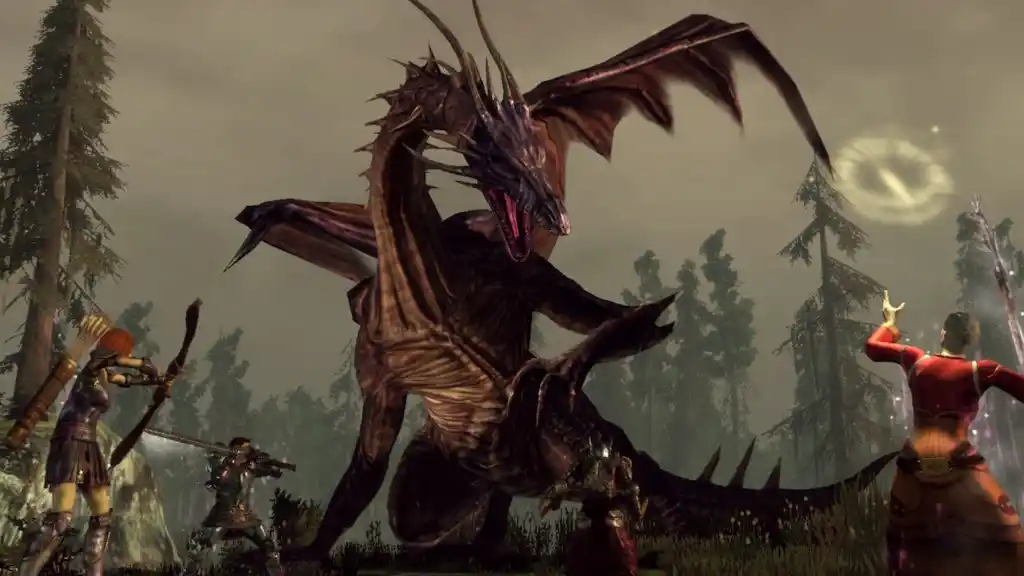
Dragon Age is the poster boy for this list. The first game is one of the best strategic RPGs of all time, mixing tactical action gameplay with one of the best realized worlds in the genre. Developer BioWare made its name working in the Dungeons & Dragons space, and put all the expertise it developed in worldbuilding to great use, creating its own universe to play in.
Sadly, future games have struggled to live up to the hype in most fans’ eyes. You can almost excuse Dragon Age 2, which was developed on a strict time crunch. Had BioWare been given more time, maybe it wouldn’t be so middling. However, Inquisition and The Veilguard had plenty of time to cook, and are both a clear step down from Origins. With the relatively lackluster sales for The Veilguard, it might be a while before we see the series return for another try.
What do you think? Leave a comment below and join the conversation now in the ComicBook Forum!
Most Viewed
-

Image courtesy of MAPPA -
Image courtesy of Daybreak Game Company