Updates are supposed to be the moment when a game gets better. New systems, smoother balance, fresh ideas that make players excited to log back in. Anyone who has played live-service games long enough knows that updates are also where things can go horribly wrong, especially when developers misread what their community actually values.
Videos by ComicBook.com
This list looks at updates that genuinely backfired on their developers. These were not routine balance tweaks or fleeting controversies, but inflection points where player trust frayed or community sentiment shifted in noticeable ways. In each case, the reaction unfolded publicly, as updates altered the direction of these games and sparked backlash that proved difficult to contain.
5. Star Wars Galaxies – Combat Update & New Game Experience
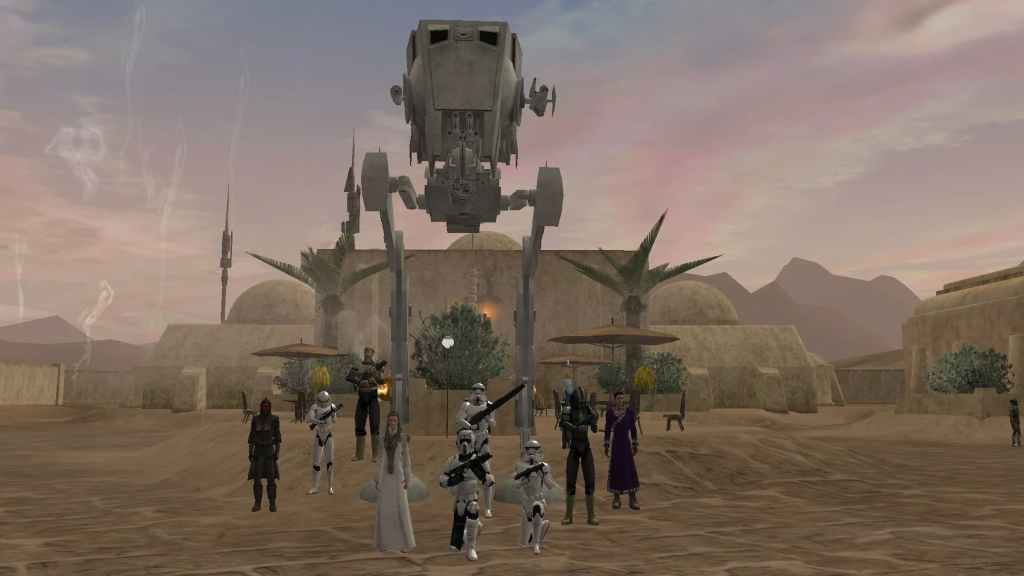
Star Wars Galaxies launched in 2003 as one of the most ambitious MMOs ever made. It was a sandbox built around player identity rather than constant combat, a Star Wars world where social roles mattered as much as fighting. There were no rigid classes or linear quest funnels, and players could be anything from moisture farmers and musicians to weaponsmiths or politicians running real, player-built cities. Galaxies wasn’t fast or streamlined, but it felt like a living Star Wars society in a way no other game ever had.
Everything changed when World of Warcraft launched in 2004 and redefined MMO success. Compared to WoW’s clear classes, fast leveling, and constant rewards, Galaxies suddenly seemed complicated and slow. Instead of embracing what made it unique, Sony Online Entertainment (SOE) and LucasArts chased WoW’s audience.
The Combat Upgrade in 2005 flattened stats, reduced profession uniqueness, and reworked core combat systems. Veteran players logged in to find characters broken overnight, builds invalidated, and years of mastery erased. The CU didn’t kill the game outright, but it damaged trust and signaled a shift away from the player-driven identity that had defined it.
The New Game Experience later that year delivered the final blow. Announced just weeks before launch, the NGE replaced the sandbox skill system with rigid classes, turned Jedi into a starter option, gutted entire professions, and rebuilt combat to be more action-focused. There were no legacy servers or rollback options. Players had to adapt or leave. Naturally, subscriptions dropped sharply, and Galaxies never truly recovered, ending with its death. The CU and NGE are now infamous as the two most controversial updates in gaming history. They erased the core game loop that made players invest years into the world and fundamentally changed a live-service title that required a subscription.
4. City of Heroes – Mission Architect XP Nerfs
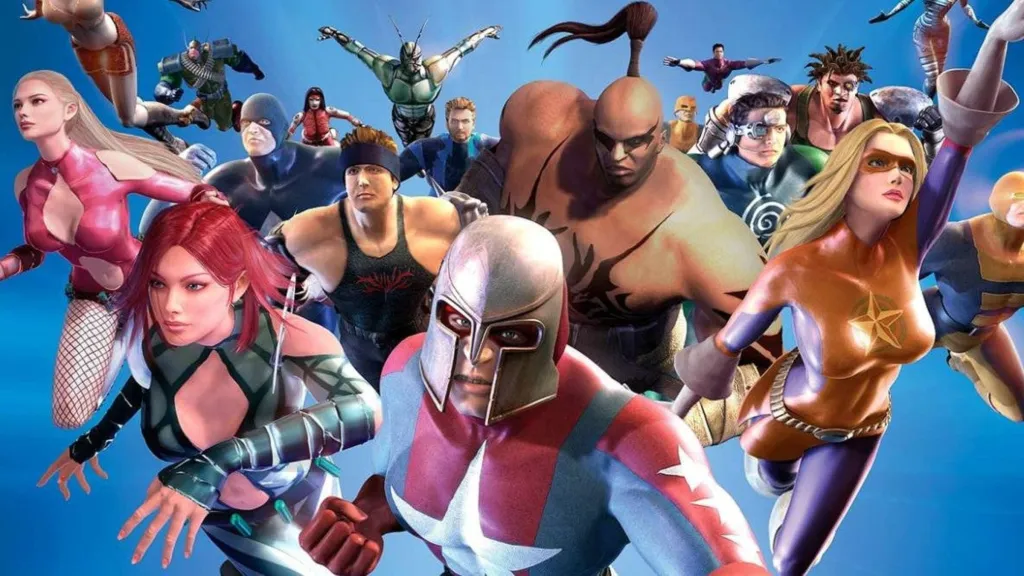
City of Heroes thrived on player creativity. Between its legendary costume creator and flexible power systems, it encouraged experimentation in ways few MMOs did at the time. That philosophy expanded further with the Mission Architect system, introduced in 2009, which allowed players to create and publish their own missions, enemies, and story arcs. For many, Mission Architect became a major part of how they played the game because it enabled a creative new way to play the game.
Unfortunately, all good things must come to an end, this time at the fault of the players. The backlash for this system came when farming took over. Players quickly discovered ways to design missions filled with large numbers of weak or easily exploitable enemies, allowing for rapid power leveling. This power-leveling meta became so widespread that it reshaped large portions of the game and how it was engaged with.

The developers responded with updates that introduced XP nerfs rather than removing the system outright. Badges (think achievements at the time) tied to Mission Architect content were heavily cut, and XP from custom enemies was reduced unless difficulty was pushed higher. Even after these changes, the system was continually adjusted to curb abuse. While these changes addressed balance concerns, they also left many players feeling punished and caused several waves of constant backlash
Creative players saw their favorite system steadily lose relevance, all due to the fact that a set of “eager” players decided to abuse its goodwill. Mission Architect shifted from a celebrated feature into a point of ongoing frustration. Some players felt the creative potential of the system had been limited, and overall, it fractured part of the community that had relied on it for both fun and progression.
3. Warframe – Railjack Overhauls
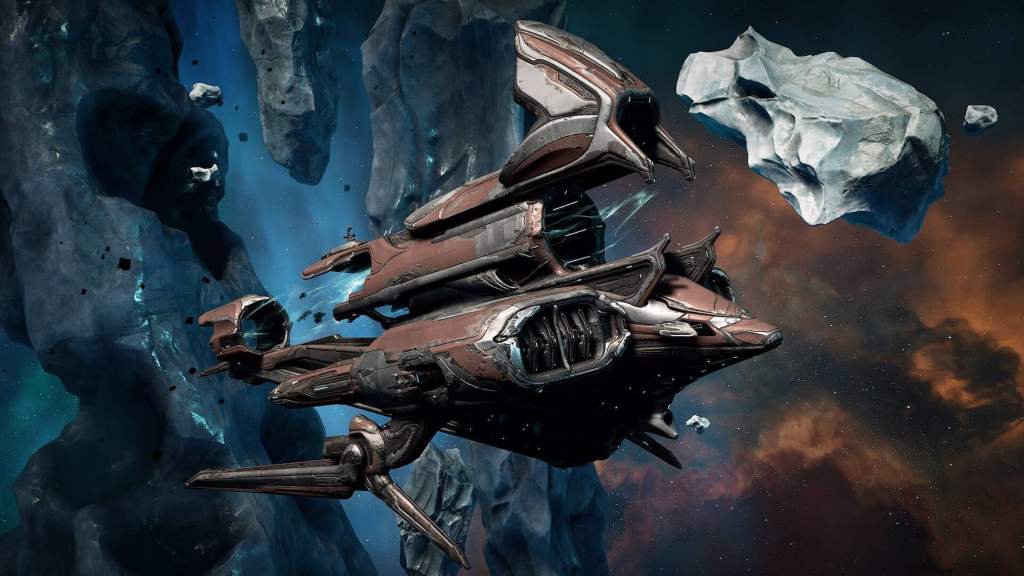
Railjack launched in 2020 as part of the Empyrean update with sky-high expectations. Digital Extremes showed ambitious demos at events like TennoCon, featuring coordinated space battles and complex multi-role teamwork, but when the mode went live, reality didn’t match the hype. Bugs, disappearing items, players falling out of the map, and incoherent damage systems made missions frustrating. On top of that, Railjack felt detached from the rest of Warframe, with mechanics that didn’t mesh with the core game.
Players quickly voiced frustration, calling the update “unplayable” and expressing disappointment over what should have been a standout, cinematic expansion. As a result, Railjack underwent multiple reworks, including Retrofit and Corpus Proxima, aimed at fixing issues but sparking new criticisms. The interior layouts were simplified, hazards and subsystem depth reduced, and roles like Engineer or sideguns became trivial. Many felt the updates “gutted” the mode, stripping away tactical and cooperative challenges that gave Railjack its identity.
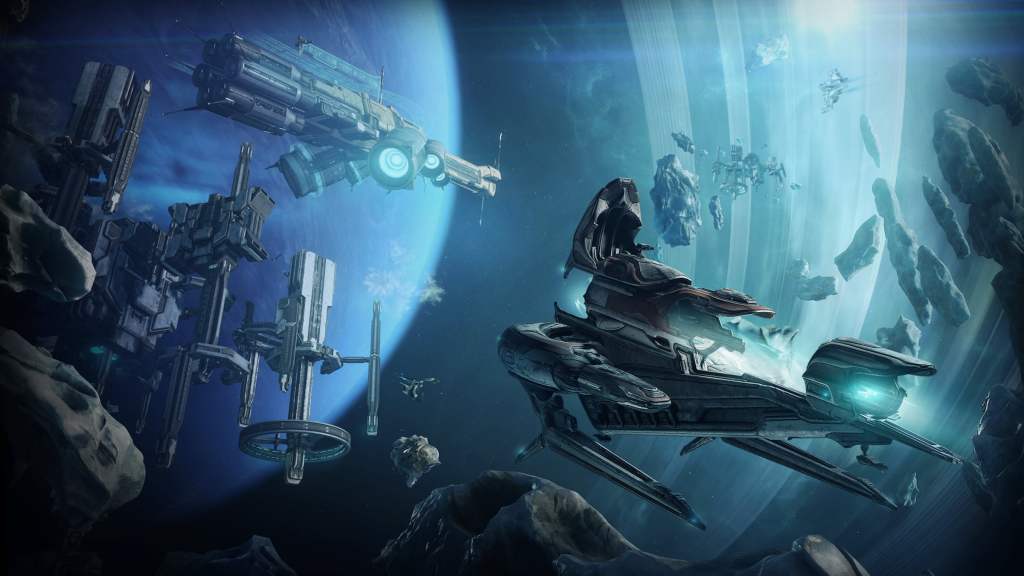
Critics also called it a “taxi simulator,” since some missions were little more than fast-travel with a cosmetic space backdrop. Reward and progression issues added fuel to the fire, as players reported missing loot after lengthy missions, inconsistent support, and minimal integration of community feedback, leaving frustration lingering even after multiple fixes. The long-term impact shows why the backlash was so intense.
Railjack remains underplayed compared to other modes to this day, and debates about its design continue in forums and on Reddit. Railjack’s rocky history has shaped how Digital Extremes approaches major updates, highlighting how ambitious expansions can backfire when rollout is buggy or core depth is oversimplified. The mode still has potential, but the community’s reaction underscores the risks of redesigning a beloved system without fully respecting player expectations.
2. Genshin Impact – Neuvillette Nerf Controversy

Neuvillette’s release was a major event in Genshin Impact. Marketed as a powerful and fun-to-play five-star character, players spent real money and in-game resources to obtain him, expecting the gameplay experience to match his advertised performance. In practice, however, players quickly discovered that his single-target main damage ability could be exploited with Yaw positioning to function as one of the strongest forms of AoE in the game. This made him extremely powerful, arguably beyond what HoYoverse intended, and sparked a surge of high-level experimentation and optimization.
The backlash came when HoYoverse implemented a nerf after players had already invested. The update reduced Neuvillette’s effectiveness and altered his playstyle, effectively devaluing prior investment and upsetting those who had spent money to obtain him. While the nerf was a necessary correction from a balance perspective, the timing and the fact that this was a paid character made players feel betrayed.
Social media, forums, and streaming channels exploded with criticism, calling it a “bait-and-switch” and demanding compensation. Players themselves were partly at fault for pushing the mechanics far beyond intended limits, but the update still ignited widespread anger because it affected a paid, five-star character. The backlash was so intense that HoYoverse ultimately reversed the nerf, restoring Neuvillette to his original functionality.
The incident highlighted the challenges of balancing powerful characters in a live-service gacha game, especially when players discover ways to exploit mechanics beyond what is intended. While the community pushed back hard, the reversal showed that HoYoverse listened, and players got the experience they expected. It also served as a clear reminder of how quickly tension can flare when paid content is involved, and powerful characters are tweaked retroactively, even if the players themselves were part of the reason the problem existed
1. Last Epoch – Paid Class and Monetization U-Turn
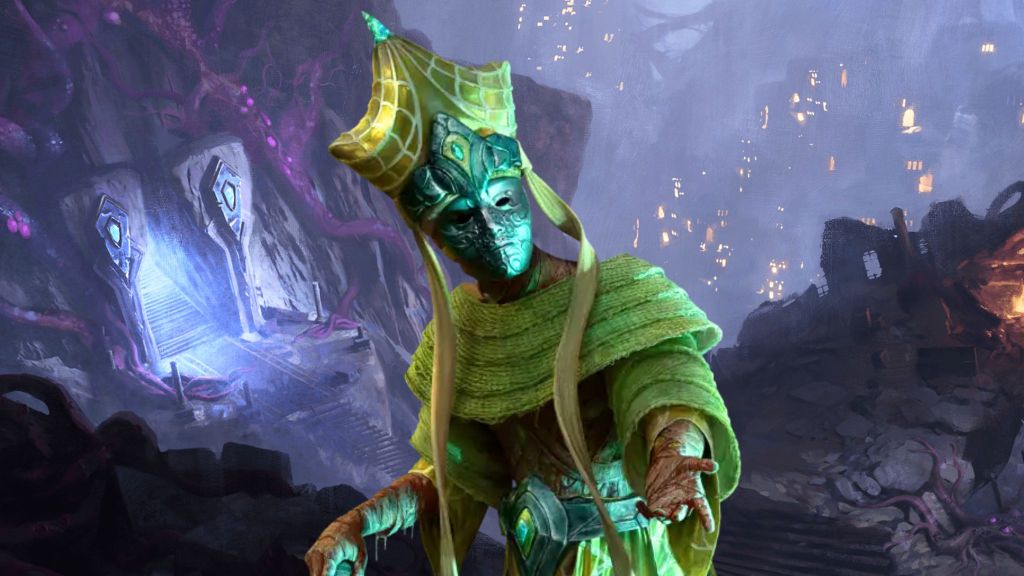
Last Epoch built its early reputation on transparency and trust. Eleventh Hour Games (EHG) repeatedly promised that all gameplay content would remain free after launch, with monetization limited to cosmetics. Kickstarter backers and early adopters invested in the game, believing in this model, and it became a core reason why the community rallied around the title.
By late 2025, however, EHG announced that the upcoming Orobyss expansion would include new “Paradox Classes” sold as paid DLC: fully playable classes with unique mechanics. This directly contradicted their prior assurances and immediately sparked concern that the studio was breaking a promise central to player confidence.The backlash was extraordinarily fierce. Many players felt betrayed, arguing that the developers were prioritizing monetization over fixing bugs, balance issues, and incomplete story content still present in the base game.
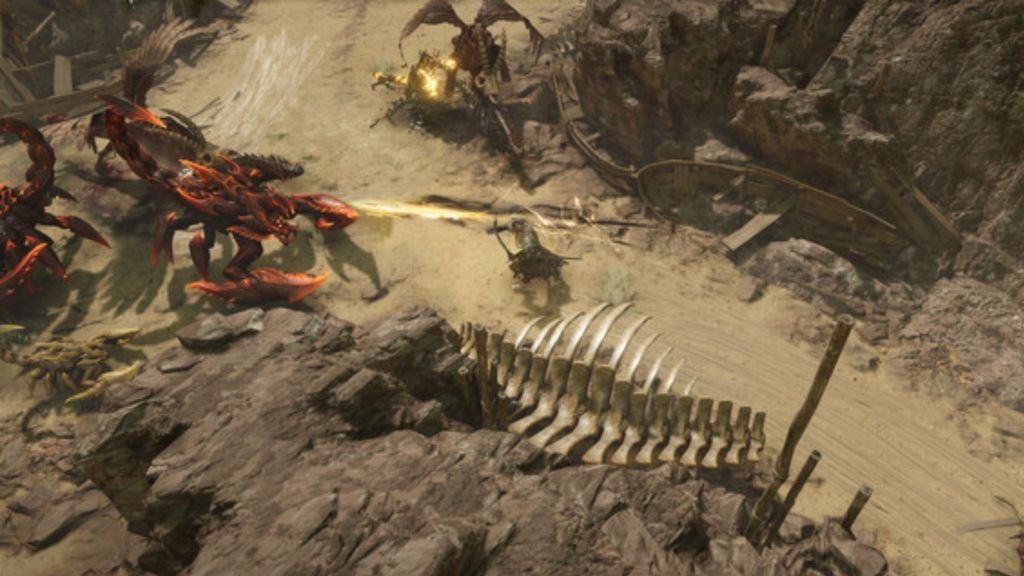
Steam review scores plummeted as “Very Positive” ratings quickly shifted to “Mixed,” driven by negative reviews that cited the paid class announcement. Some players accused the devs of outright betrayal, others acknowledged financial realities but criticized the timing, and a common refrain called for symbolic gestures to long-term backers. Even supporters of the game were frustrated that the announcement seemed disconnected from community trust and ongoing development concerns.
EHG defended the move, citing financial sustainability, as none of the first three post-launch seasons had generated much profit under a cosmetic-only model, and the studio emphasized the need to keep the game alive. This, however, fanned the flames, as players, truthfully, did not care for the reason. All they saw was a studio going back on its long-term promise. Acquisition by Krafton in 2024 added to speculation about outside influence, though EHG insisted the decision was theirs. The controversy sparked larger conversations about ARPG monetization and trust in indie studios: how far can developers go before breaking promises, and how should they balance financial reality with community expectations?
What do you think? Leave a comment below and join the conversation now in the ComicBook Forum!
More Gaming
-

Courtesy of The Pokemon Company -

Image courtesy of Paramount+ -
Courtesy of Invoke Studios and Wizards of the Coast -

Courtesy of Kyle Thompson -
Courtesy of Wizards of the Coast