2006 was huge for the video game industry. The Xbox 360 was just hitting its first anniversary, while the PS3 and Nintendo Wii were just making their way onto store shelves. Big console launches and the promise of new technology defined the year. There were plenty of games that helped sell that HD vision, too, and the impact of these titles can still be felt today, 20 years later.
Videos by ComicBook.com
Here are five important games that are turning 20 years old in 2026, which, for one reason or another, may be a little surprising.
5) The Legend of Zelda: Twilight Princess

The Legend of Zelda: Twilight Princess initially seemed a little like an apology following the misguided criticism of Wind Waker’s timeless cel-shaded art style. But it was more than an elaborate concession, as it was one of the Nintendo Wii’s most notable launch games.
Twilight Princess also helped usher in the end of the typical Zelda formula. 2011’s Skyward Sword dabbled with that traditional formula as well, but the mainline console entries changed dramatically with 2017’s Switch launch title Breath of the Wild, making Twilight Princess somewhat unique. However, in a weird twist, Breath of the Wild would go on to copy the Twilight Princess strategy of launching with a new console alongside a port for the previous one, linking the two titles in an unexpected way.
Twilight Princess received an HD remaster on the Wii U that helped smooth over its rough edges and allowed it to be reappraised through a modern lens. It cut down some of the busywork and longer cutscenes. None of these changes were groundbreaking but allowed the core experience to shine more brightly. These changes helped mask the game’s age a bit, but understanding the context around its original release is important for looking at the modern era of the Zelda series.
4) Gears of War
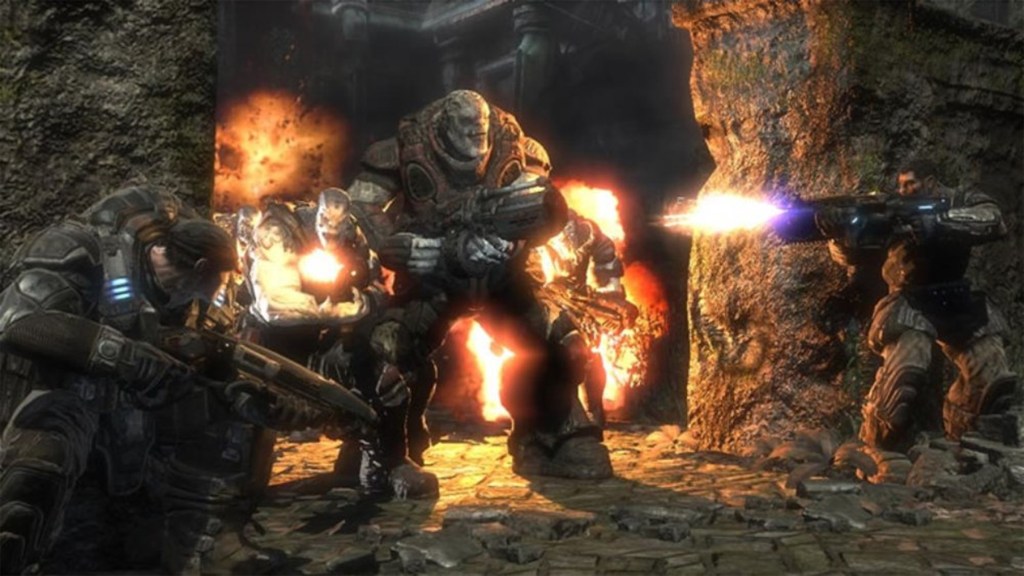
Gears of War is one of the handful of games that changed the medium forever. Coming out one year after the Xbox 360’s launch, this inaugural title helped establish the console’s power, which was helpful when juxtaposed against the launch of the PS3.
The co-op campaign and competitive multiplayer gave it staying power and also was key to getting people onto Xbox Live. And while those modes gave it legs, the world and characters found in the campaign gave it the extra oomph it needed to stick out. Characters like the charismatic Cole Train and gruff protagonist Marcus Fenix gave this shooter a level of personality that betrayed its brown and gray aesthetic.

Despite being iterated on more than a few times after by many, many other games, Gears of War’s novel cover-based shooting gave its gameplay importance since it altered how third-person shooters worked going forward. The PS3 and Xbox 360 generation in particular was rife with cover-based shooters because of Gears of War. So while 2003’s Kill Switch had a cover system, Gears of War popularized the mechanic and made it a genre mainstay.
Xbox Game Studios has re-released Gears of War a few times over the years. It made its way to PC in 2007 before being remade twice, once in 2015 and another time in 2025. So while it has gotten more than a few coats of fresh paint, it’s crucial to remember its true age and how it fits into that era.
3) Resistance: Fall of Man
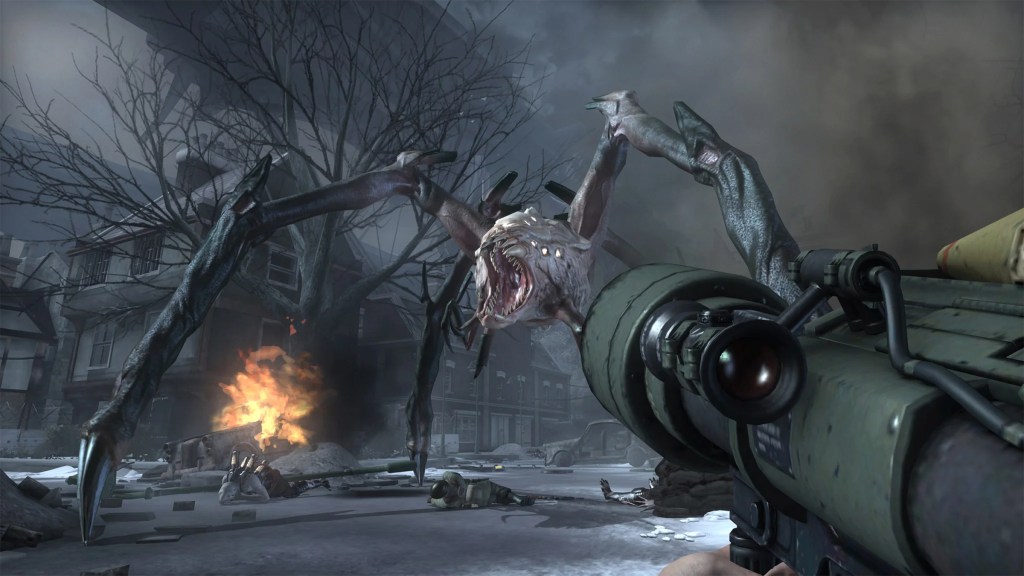
Long before Insomniac Games dabbled with Marvel and virtual reality, it had experimented with the first-person shooter genre with its first PS1 game, Disruptor. And then 10 years later, it went back to that genre with the Resistance series. Resistance: Fall of Man was the most notable launch game for the PS3, a damning bit of praise that points out how weak the lineup was otherwise.
Regardless of its competition, Resistance: Fall of Man showed what the PS3 was capable of early on with its 40-player multiplayer matches and impressive visual fidelity. While Resistance 2 was more like Call of Duty and Resistance 3 played out a bit like Half-Life 2, the first game in the series was most comparable to Halo with its vehicle sections and general shooting feel and reflected the environment it was released in. Even with inspiration from Bungie’s famous series, Insomniac still put its unique charm into the game through its arsenal of unorthodox weapons (all of which could thankfully be carried at the same time). For example, players could shoot through walls with the Auger — a crucial gun on higher difficulties — or fire homing rounds with the Bullseye.
It has been some time since Insomniac has touched the series, as Resistance 3 concluded the trilogy in 2011. A Vita installment came out the next year from Nihilistic Software and marked the end of the Resistance series. It hasn’t been remastered or re-released, making for a difficult game to celebrate two decades later. However, it is important because it demonstrated Insomniac’s flexibility.
2) The Elder Scrolls IV: Oblivion
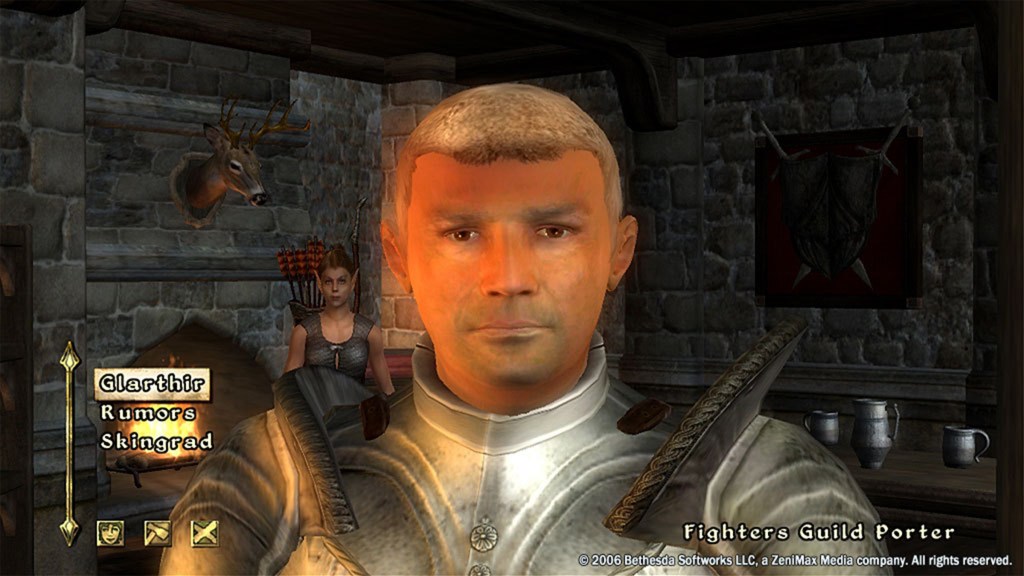
The Elder Scrolls V: Skyrim is one of the most beloved RPGs of all time to the point where it overshadows its immediate predecessor. The Elder Scrolls IV: Oblivion is also a cherished game, though, and holds a valuable place in gaming’s history.
Oblivion takes many of the elements from The Elder Scrolls III: Morrowind and modernizes them a bit so they’re more accessible. As such, it’s able to have some parts of Morrowind’s world and gameplay mechanics without some of its more prickly parts — an inevitability given how it was the series’ first mainline 3D entry — and with more depth. Characters had routines and a decent chunk of its side missions were engaging and added to the experience, both of which made the soil of Cyrodiil feel alive.
Oblivion’s importance also stems from when it came out. It was one of the first huge Xbox 360 games and the level of freedom and its visual prowess helped sell the new generation’s power. Oblivion’s impact on DLC, for better and for worse, also helped change the industry. Shivering Isles, its biggest expansion, was widely acclaimed and meaningfully added to the core experience. However, Oblivion also had the infamous Horse Armor DLC that had players pay $2.50 or $2 for some golden armor for their horse. This was almost unanimously derided at the time and helped pave the way for $28 skin bundles in Call of Duty. According to multiple people from Bethesda Game Studios, the negativity didn’t derail sales since this primordial microtransaction sold rather well.
Virtuos helped remaster the game in 2025, which let people experience this old RPG in a new era. It reviewed well, too, garnering an average score of 82. Perhaps this modern re-release will help keep its legacy alive and usher it out from Skyrim’s shadow.
1) Guitar Hero 2
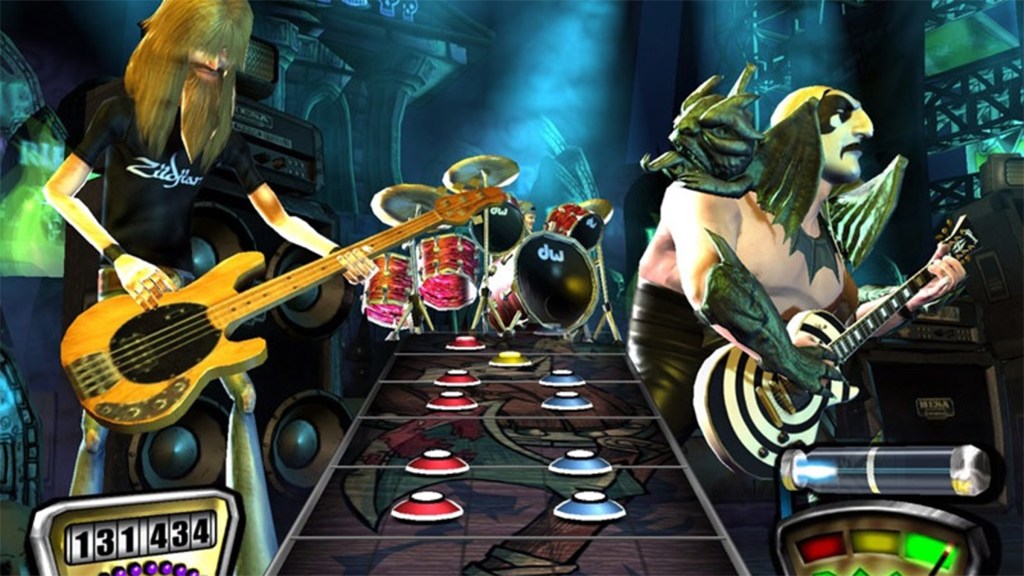
Music games were once on top of the world, something clearly shown in Guitar Hero 2. This entry had 47 songs and was made for the hardcore shredders in addition to being accessible to the aspiring plastic guitarists, a dual-pronged appeal that helped it ascend the charts.
Guitar Hero 2’s few upgrades over the original are notable — the practice mode is a game changer — but its position in the music game space is more significant in hindsight. Guitar Hero 2 marked the ascent of the music game genre, as it outsold the first game and was right before Activision drove the franchise into the ground. The publisher would go on to release 12 Guitar Hero games in the next four years as well as a Rock Band-like spin-off called Band Hero. This gluttony of releases over a short period of time combined with Electronic Arts’ onslaught of Rock Band games helped dilute the genre during that period, leading to its demise.
Guitar Hero 2 hit before greed had taken over and is, in that sense, relatively pure. So while its sequels have more songs and polish, it’s hard for them to compare to the cultural zeitgeist surrounding this 2006 game.
What do you think? Leave a comment below and join the conversation now in the ComicBook Forum!
More Gaming
-

Courtesy of FromSoftware -
Courtesy of Embark Studios