LucasArts has long been an innovator in the gaming space. Since George Lucas founded the studio in 1982, it’s gone through a few name changes and had plenty of great developers come and go, but one thing has remained consistent: LucasArts is always pushing gaming forward. These days, it’s known as Lucasfilm Games, but under both banners, the studio has churned out hit after hit. While many of LucasArts’ games get their time in the sun (especially if it’s an adventure game from the ’80s and ’90s or a Star Wars game), a few of the studio’s best have fallen out of the public eye since their initial release.
Videos by ComicBook.com
Here are five LucasArts games you probably forgot are incredible.
5) The Dig
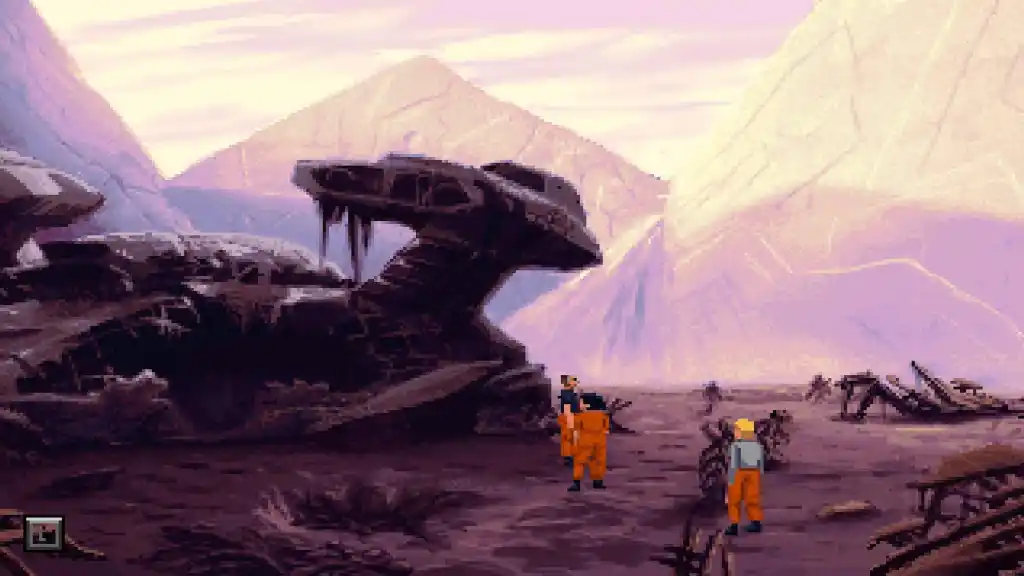
In 1995, LucasArts was coming off of releasing Day of the Tentacle and Sam & Max Hit the Road, two all-time adventure games. That year, the studio released Full Throttle in May, which again showed that the developer was the master of the genre. About six months later, The Dig launched to solid sales.
However, it’s important to remember that The Dig, which was made via a partnership with Steven Spielberg, had one of the largest budgets in LucasArts’ history to that point. Part of that was the race to capture Spielberg’s vision, but the team also had to restart development when Brian Moriarty took over production. The Dig was meant to launch in 1992, but didn’t come out until ’95.
The ballooning budget led to it being a commercial failure in LucasArts’ eyes, and it’s never found the same cult audience as most of the studio’s catalog at the time. That doesn’t mean it isn’t worth trying, though. LucasArts delivered an inventive story, even if most other aspects of The Dig feel like a slight step back.
4) Zombies Ate My Neighbors
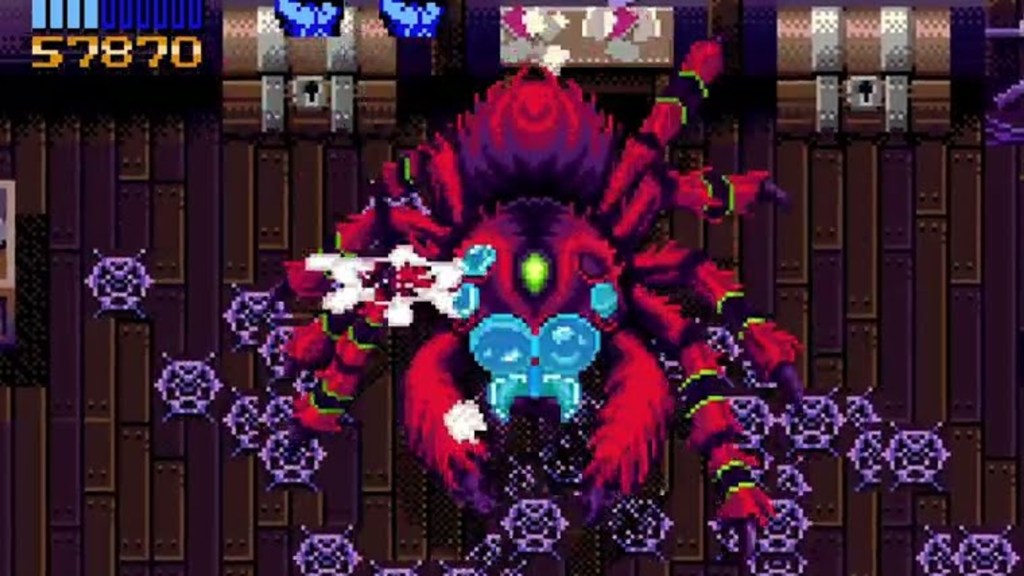
Published by Konami, Zombies Ate My Neighbor was a devilishly difficult run-and-gun game for the Super Nintendo and Sega Genesis. If you’re anything like me, you played through about five of the levels and then took it back to Blockbuster because you couldn’t fathom getting through Zombies Ate My Neighbors‘ many challenges.
That said, there’s a reason I rented this game so often. Despite the difficulty, Zombies looked incredible for the time. And as an entry to horror, it was the perfect gateway game for young players in the ’90s. Sure, it wasn’t a massive success, but it did well enough to spawn a sequel, Ghoul Patrol. I never liked that one as much, but your mileage may vary.
3) Maniac Mansion
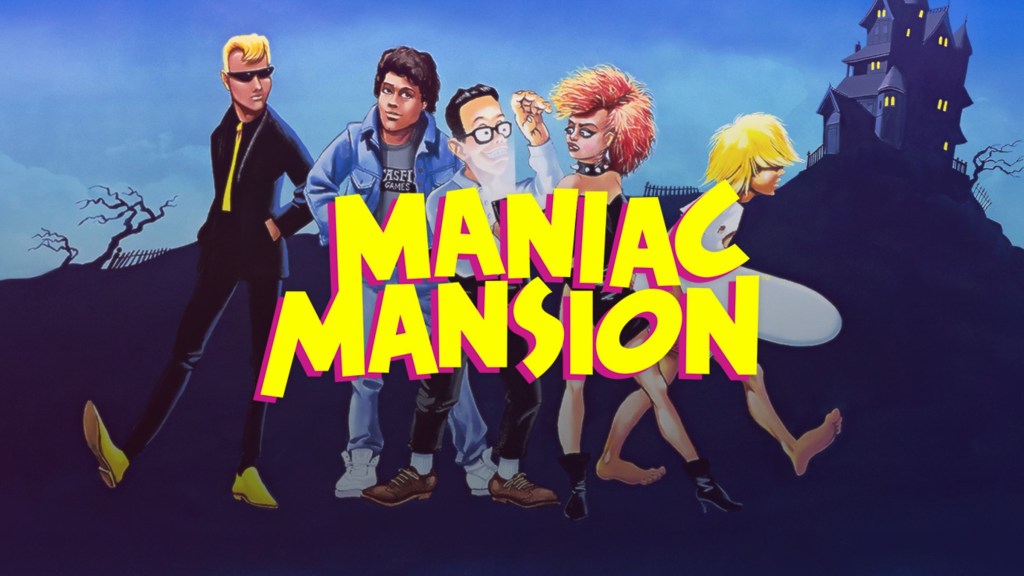
The original Maniac Mansion doesn’t get anywhere near the love its sequel, The Day of the Tentacle, does. To be fair, that’s completely justified. The Day of the Tentacle is a better, more coherent game. However, Maniac Mansion was many players’ introduction to the adventure genre and the comedic stylings of Ron Gilbert. For that alone, it deserves more love.
That’s not to say Maniac Mansion didn’t review well. It scored relatively highly with critics, and players loved it when they got their hands on it. However, you rarely see the same praise for the original that other LucasArts originals get. If nothing else, it helped put Ron Gilbert on the map, so we owe Maniac Mansion quite a bit.
2) Outlaws
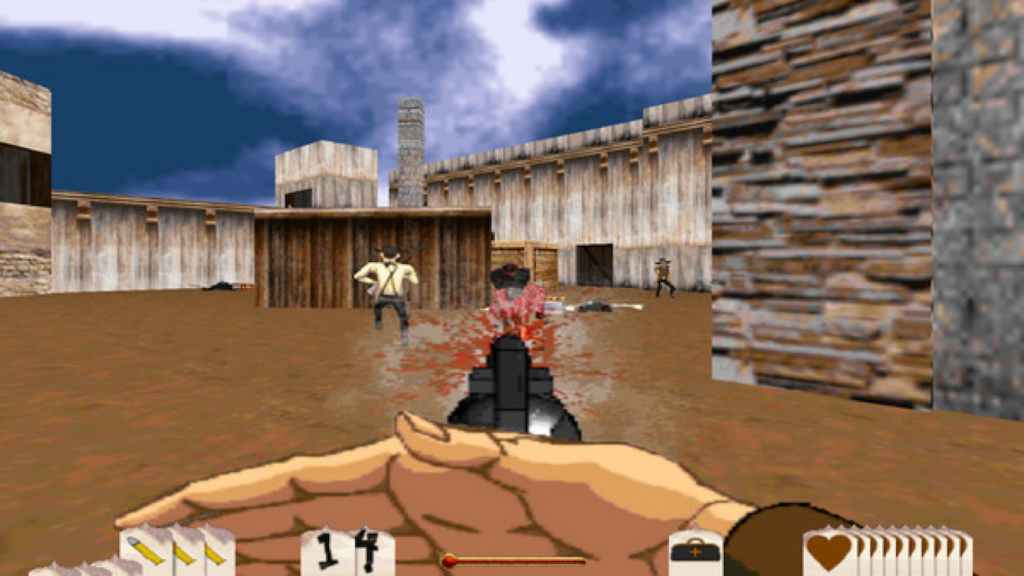
Outlaws was developed on a modified version of the Jedi engine, which gave players Star Wars: Dark Forces. That game is a little too popular for this list, but it is another LucasArts gem. Outlaws took that FPS combat and put it into the criminally underused Wild West genre.
Seriously, how are there not more games set in this genre? Rockstar might have a stranglehold on it with Red Dead Redemption, but more developers should try. Anyway, Outlaws felt a bit old at the time, but is a rootin’ tootin’, cinematic masterpiece. Yes, it was quickly outclassed by games like Quake, but Outlaws should get a remake. The world deserves more great spaghetti westerns, and it’s high time Lucasfilm Games brings this one back.
1) Star Wars Galaxies
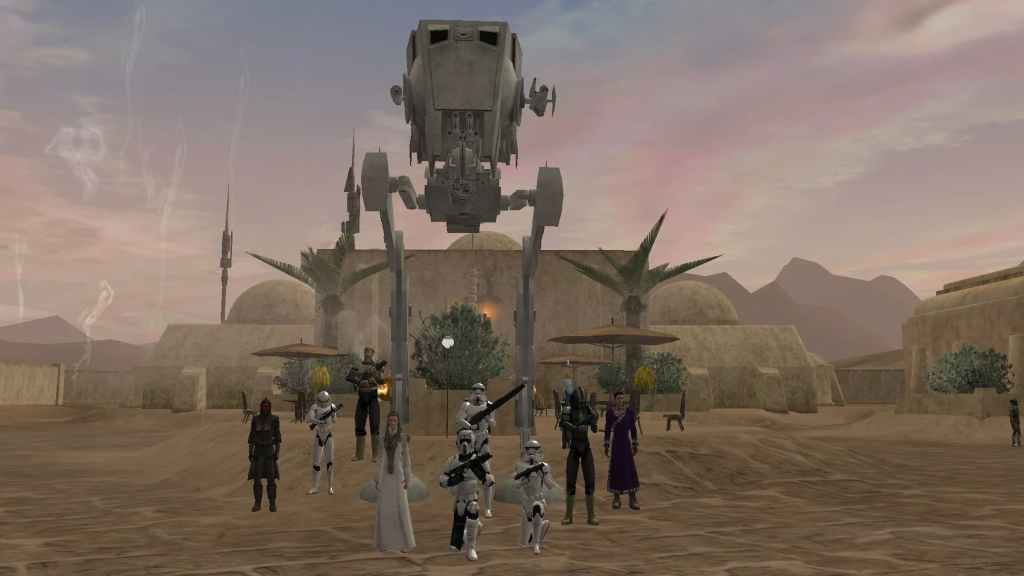
Star Wars Galaxies let players live out their dreams and live inside their favorite fictional universe. When it started, players could explore ten planets and meet fan-favorite characters like Luke Skywalker, Boba Fett, and Admiral Ackbar. It was also notable because players only had a random chance of becoming a Jedi. The number of Jedi per server was limited, making it an incredibly rare feat for hardcore players.
LucasArts and the developers at Sony Online Entertainment would eventually walk that back, but it was a fascinating way to introduce the concept of all-powerful Jedi into the massive open world. Those of us who weren’t lucky could take on one of the many other in-game professions, helping contribute to the in-game economy. More than many MMOs, Galaxies felt like a real world, with players completing their own goals to build the world around them.
Unfortunately, the servers shut off in 2011, and Galaxies has mostly gone forgotten by everyone who didn’t experience the magic. There are still a few private servers, but it’ll never be the same as that first time you logged into LucasArts’ strange MMO.
What do you think? Leave a comment below and join the conversation now in the ComicBook Forum!
Most Viewed
-

Image courtesy of Paramount -
Image Courtesy of Disney -

TMS Entertainment