The 1990s were one of the most influential and transformative eras in the video game industry. While arcades still had their place, console and home PC gaming were evolving into the global powerhouse they are today. Developers continually experimented as technology improved, leading to the emergence of entirely new genres, storytelling techniques, and gameplay systems. Many of the mechanics players now take for granted were either created or refined during this era. The decade also marked the transition from 2D gaming to fully realized 3D worlds, forcing developers to rethink how games were controlled, looked, and felt.
Videos by ComicBook.com
What makes the 1990s especially important is that many of its biggest games still shape modern design today. The influence of these titles extends far beyond nostalgia because developers continue borrowing their ideas decades later. Some established entire genres, while others changed player expectations permanently. These games did not simply become popular, but altered how studios approached level design, storytelling, controls, pacing, atmosphere, and immersion. Even modern blockbusters still carry design DNA from these five titles that defined gaming during the 1990s.
5) Resident Evil

When Resident Evil launched in 1996, horror games already existed, but Capcom fundamentally changed how developers approached fear and tension in gaming. The original game helped establish the survival horror genre by emphasizing limited resources, environmental tension, and vulnerability over pure action. The fixed camera angles became one of the game’s defining features. While partially influenced by technical limitations, they also created cinematic framing and restricted visibility in ways that dramatically increased tension.
Players constantly feared what might be hidden just outside the camera’s perspective. Combined with scarce ammunition and healing items, exploration became genuinely stressful. The mansion design also influenced countless future games. Instead of straightforward progression, Resident Evil encouraged players to slowly unlock interconnected areas through puzzles, keys, and backtracking. This structure made the environment itself feel dangerous and mysterious. Many horror games still use similar design philosophies today.

Few games from the 1990s matched the atmosphere of early Resident Evil. Hearing a zombie moan from another room while cautiously opening a door created tension unlike anything else at the time. The series proved games could generate fear through pacing and uncertainty rather than relying solely on action. The franchise continues influencing gaming heavily today. Modern survival horror games like Dead Space, The Evil Within, and even indie horror titles borrow heavily from Resident Evil’s approach to resource management and environmental storytelling.
4) Doom
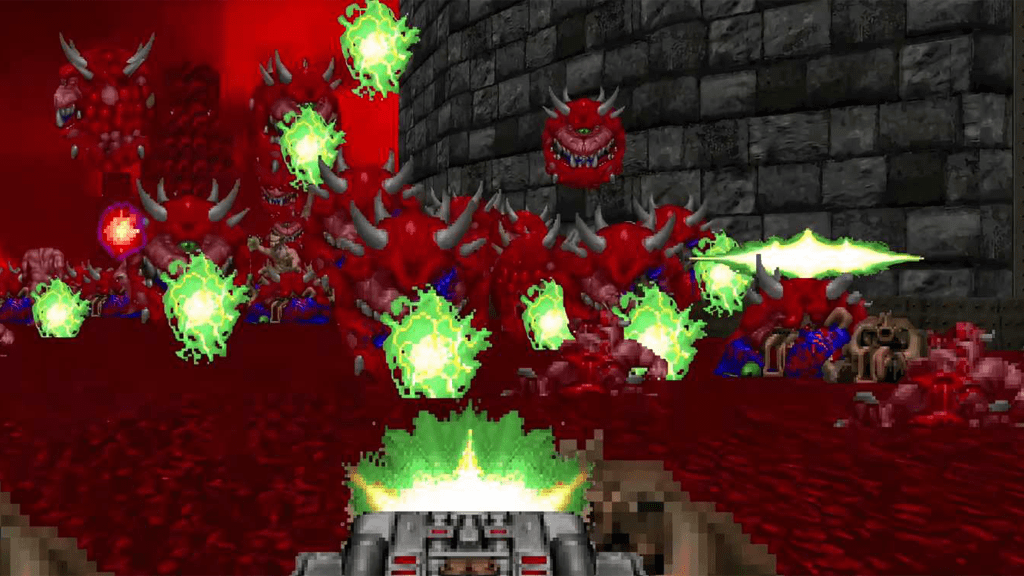
It is impossible to discuss influential 1990s games without mentioning Doom. Released in 1993 by id Software, the game transformed first-person shooters and PC gaming entirely. While earlier shooters existed, Doom popularized fast-paced first-person combat on a massive scale. The game’s speed, level design, enemy variety, and weapon feedback created an experience that felt unlike anything else available at the time. Multiplayer deathmatches and modding support also helped establish communities around PC gaming.
The technical achievements were just as important as the gameplay. Doom demonstrated what PC hardware could accomplish and pushed interest in gaming PCs dramatically. The game’s shareware distribution model also expanded its reach enormously during the early Internet era. Even now, the “can it run Doom” exists and shows just how impactful its release was. The level design also became hugely influential. Maze-like maps filled with secrets, verticality, keycards, and environmental hazards created exploration-driven combat rather than purely linear shooting galleries.
Many games that came after it, like Marathon and modern FPS games, still borrow from Doom’s design principles. The franchise itself has experienced an enormous revival in recent years. Doom (2016) and Doom Eternal successfully modernized the series while staying true to its aggressive combat philosophy. Modern shooters increasingly embrace movement and momentum again, largely because Doom proved those ideas remain timeless.
3) Final Fantasy VII
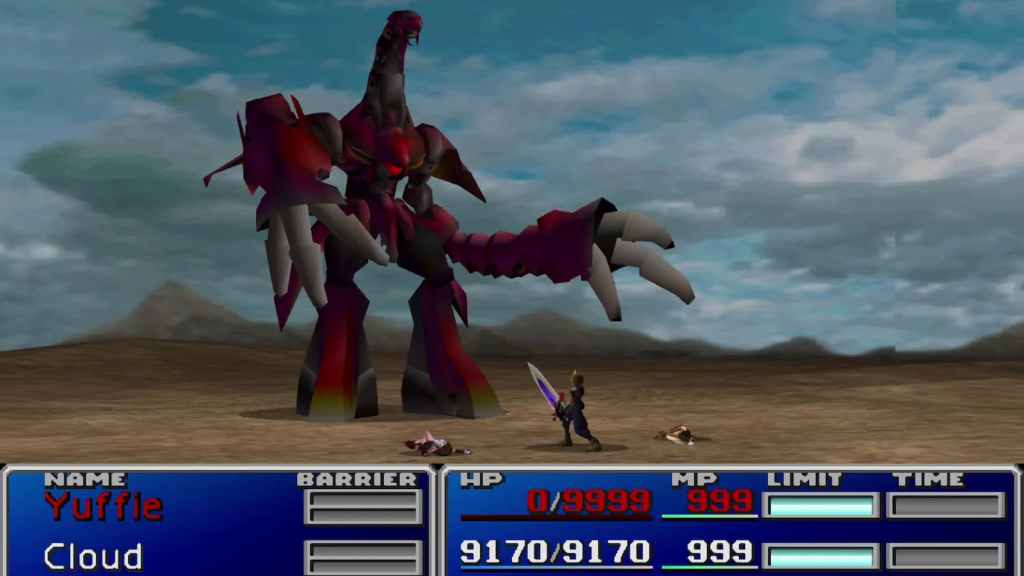
When Final Fantasy VII was released in 1997, RPGs were already popular in Japan, but the game helped push the genre into mainstream global popularity. Square’s ambitious PlayStation RPG combined cinematic storytelling, memorable characters, and large-scale worldbuilding in ways many players had never experienced before. The game’s presentation was revolutionary at the time and was a major reason it had such a strong impact.
Full motion video cutscenes, 3D environments, and dramatic camera work made Final Fantasy VII feel cinematic on a scale rarely seen in gaming during the 1990s. The game showed publishers that RPGs could achieve blockbuster appeal internationally. This all helped back to this storytelling, which influenced countless future RPGs. Themes involving identity, environmental destruction, corporate greed, trauma, and loss gave the narrative emotional depth beyond many contemporaries. Characters like Cloud, Aerith, and Sephiroth became iconic because they felt emotionally layered compared to many earlier RPG protagonists and villains.
The Materia system also influenced RPG customization heavily. Allowing players to mix abilities, spells, and character builds freely created flexibility that many future RPGs would emulate. The game balanced accessibility and depth in ways that helped broaden the RPG audience significantly. The series itself remains enormously important today. Square Enix continues expanding Final Fantasy VII through the remake trilogy, while the broader Final Fantasy franchise still stands as one of gaming’s defining RPG series. Many modern cinematic RPGs, and even smaller indie RPGs, owe part of their existence to the success and influence of Final Fantasy VII.
2) Super Mario 64
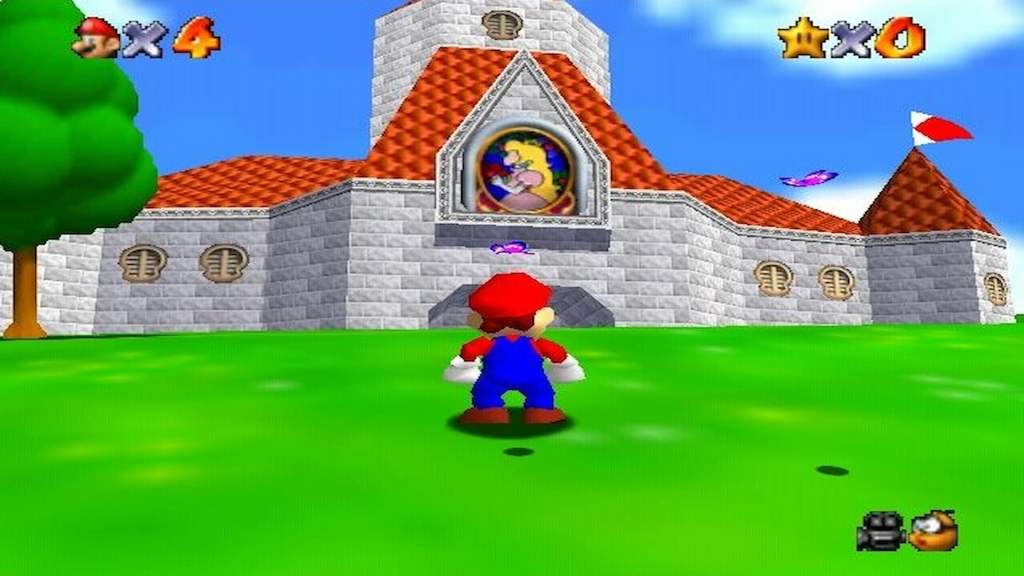
Few games changed game design as much as Super Mario 64. Released alongside the Nintendo 64 in 1996, the game solved many of the problems developers faced while transitioning platformers into 3D environments. To resolve this, Nintendo introduced analog stick movement and a dynamic camera system that immediately became industry standards. Mario’s responsive controls and fluid movement demonstrated how players could navigate fully 3D spaces comfortably.
The game also revolutionized level design. Instead of simple linear stages, Super Mario 64 introduced open-ended playground-style worlds filled with multiple objectives and secrets. Players explored levels freely, often completing challenges in different orders. This approach influenced not just platformers, but open-world game design in general. Even if it wasn’t a fully open world, the effect it had pushed this element like no other game before it.
The movement itself remains incredible even today. Triple jumps, wall kicks, dives, long jumps, and momentum-based traversal gave players enormous freedom. Modern platformers still borrow heavily from Super Mario 64’s movement philosophy because it created such a strong sense of player control. Titles like A Hat in Time, Astro Bot, and countless indie platformers continue building upon systems first introduced by Super Mario 64. Nintendo itself still references the game constantly through later entries like Super Mario Odyssey, which expanded on the freedom and movement experimentation that began here.
1) The Legend of Zelda: Ocarina of Time
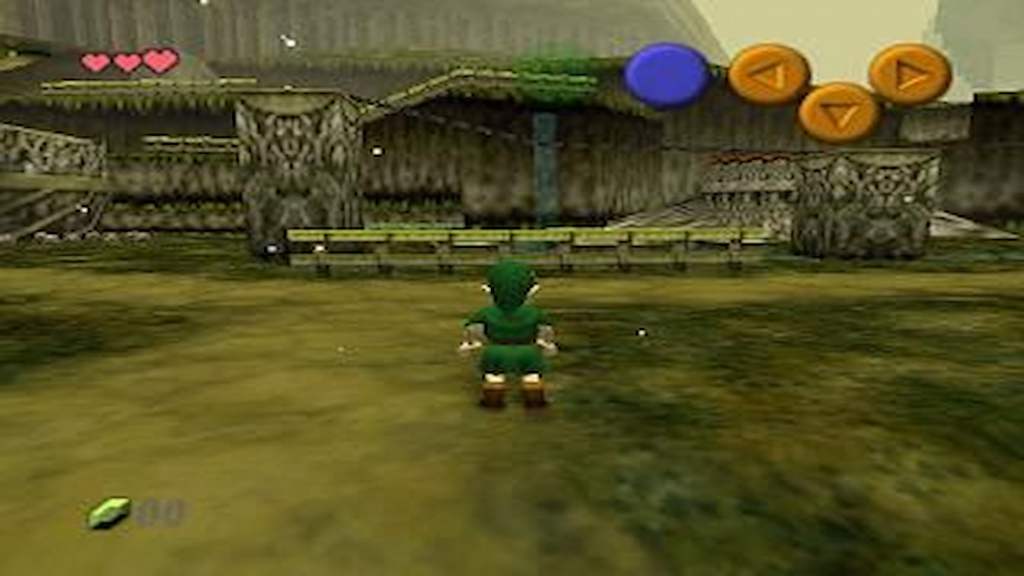
Few games influenced 3D action-adventure design more than The Legend of Zelda: Ocarina of Time. Released in 1998, Nintendo’s masterpiece established systems and mechanics that countless games still use today. The targeting system alone changed gaming permanently. Z targeting allowed players to lock onto enemies and navigate combat in 3D spaces effectively. This solved major issues surrounding 3D melee combat and became foundational for countless future games.
The game also perfected environmental puzzle design in 3D spaces. Dungeons combined combat, navigation, item usage, and puzzle solving seamlessly, creating a formula many action-adventure games still follow. Each dungeon introduced mechanics that expanded gameplay naturally without overwhelming players. This same level of design was prevalent in its overworld, which offered players secrets to uncover and engaging enemies to fight.
The game’s influence still dominates action-adventure design today. Franchises like Dark Souls, Darksiders, and countless open-world adventures borrow heavily from Ocarina of Time’s combat, dungeon structure, and progression systems. Nintendo itself continued evolving these ideas through later entries like Breath of the Wild and Tears of the Kingdom, showing that the series remains one of gaming’s most respected franchises. Even decades later, developers still reference it as one of the greatest examples of 3D game design ever created.
What do you think? Leave a comment below and join the conversation now in the ComicBook Forum!
More Gaming
-

Image Courtesy of Electronic Arts -

Image Courtesy of Electronic Arts -

Image Courtesy of IO Interactive