The video game industry is always evolving, and the first-person shooter proves this beyond a doubt. What began as fast corridor combat on PC eventually became one of gaming’s biggest commercial forces, influencing everything from multiplayer esports to cinematic storytelling. Yet by the mid-2010s, many shooters had started to feel slower and more scripted. Campaigns focused heavily on set pieces, tutorials, and cinematic moments instead of raw action like its earliest iterations. But it wouldn’t be long before an iconic shooter brought back that classic arcade style and would show just how important the genre’s roots were.
Videos by ComicBook.com
ID Software, Panic Button, and Bethesda came together and rebooted one of the most memorable FPS games: Doom. Together, on May 13th, 2016, these studios recreated Doom and breathed new life into the series and the FPS genre. It proved to be a massive success, and its impact on the genre is still felt today, especially with its two sequels. Doom Eternal expanded on the formula with even faster gameplay, while Doom: The Dark Ages proves just how popular this modern era of Doom has become. Like the original Doom in 1993, the 2016 reboot helped reshape shooters once again.
Doom 2016 Brought the Franchise Back From the Dead
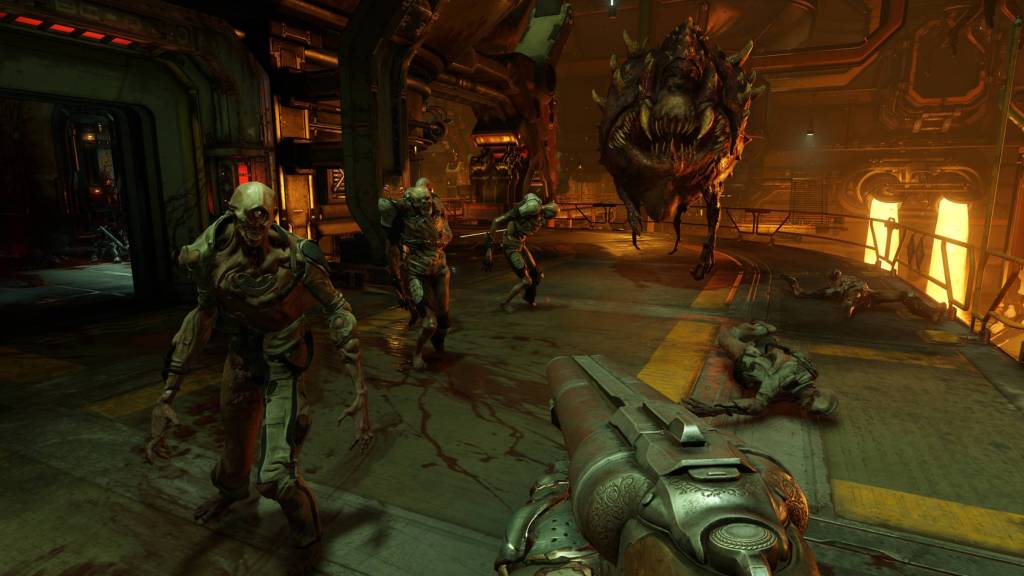
Before the 2016 reboot, the future of Doom felt unclear. Doom 3 was released in 2004 and took the series in a slower, horror-focused direction, dividing fans. After that, the franchise largely disappeared for years, except for ports and rereleases. When id Software finally revealed Doom in 2015, reactions were mixed at first. Early footage leaned heavily into multiplayer and cinematic elements that resembled other shooters of the era, leaving some fearing the series would lose its identity. Then the single-player campaign demonstrations changed everything. Fast movement, brutal executions, nonstop combat arenas, and aggressive enemy encounters immediately caught players’ attention.
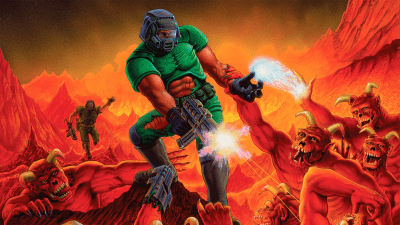
Once the game launched in 2016, the response was overwhelmingly positive. Critics and fans praised the campaign’s pacing, soundtrack, weapon design, and refusal to slow players down with constant interruptions. The game encouraged aggression instead of cover shooting. Health and ammo often came from pushing forward and fighting harder rather than hiding behind walls. That design philosophy made Doom stand out in a crowded shooter market.
The reboot was a massive success. Bethesda confirmed strong sales shortly after launch, and the game maintained long-term popularity through streaming, speedrunning, and continued discussion online. A decade later, many players still consider it one of the best FPS campaigns ever made, and it has been ported to nearly every platform. There are even some fans who prefer Doom’s 2016 reboot to the two sequels that followed it, replaying it again and again. Without this reboot, the series would have remained in the past and only seen life through ports and rereleases.
The Reboot Changed Modern Shooter Design
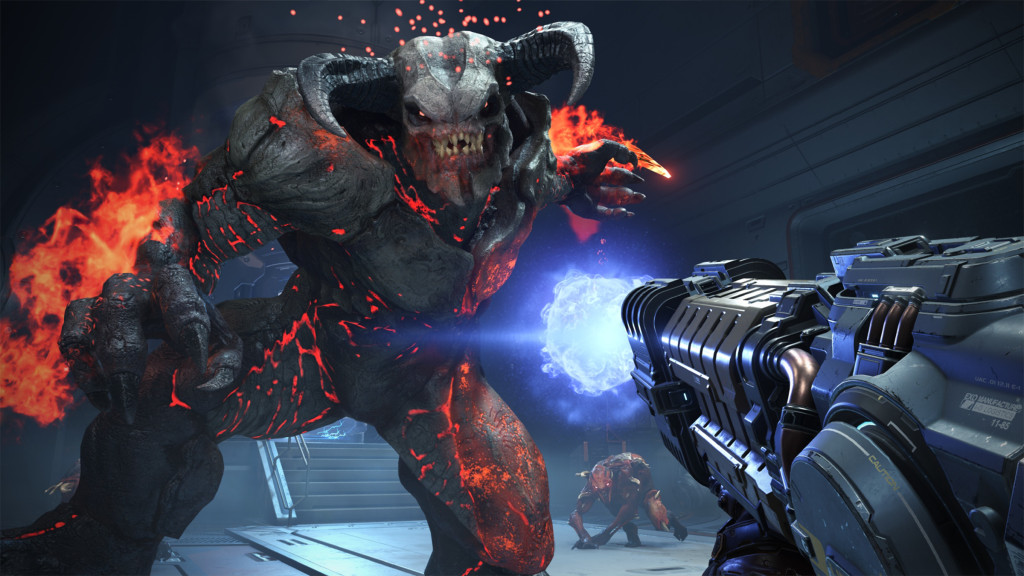
The original Doom changed gaming history in the 1990s by helping establish the first-person shooter genre. The 2016 reboot influenced the genre differently, but its impact remains easy to see across modern action games. One of the biggest changes involved movement. During the early 2010s, many shooters focused on slower pacing, realistic animations, and heavily scripted sequences. Doom rejected that approach completely. Players moved quickly, double jumped across arenas, and constantly repositioned during fights. The game rewarded momentum and situational awareness instead of patience.
Combat design also shifted because of Doom. The reboot introduced the “push forward combat” philosophy, where players gained resources by engaging enemies directly. Glory Kills restored health, chainsaw kills provided ammo, and aggressive movement became essential to survival. Players had to constantly prioritize targets while balancing health, ammo, and positioning. Its soundtrack also became hugely influential. Mick Gordon’s heavy industrial metal score became closely associated with the game’s intensity and helped redefine how modern shooters approached combat music.
The influence of Doom can be seen in many shooters and action games released afterward. Titles like Ultrakill, Shadow Warrior 3, and even elements of newer boomer shooters borrowed from its speed and combat flow. Retro-inspired FPS games have seen a huge resurgence, and that trend is still carrying on today. Even titles like Returnal and its sequel, Saros, feel like they wouldn’t be possible without Doom’s reboot. This shows the influence of the series not just on indie developers, but even giants like Sony.
Doom Eternal and Doom: The Dark Ages Show the Reboot’s Lasting Success

The strongest evidence of the reboot’s success is how much the franchise has grown since 2016. Instead of fading after one strong release, modern Doom became one of Bethesda’s most important series. Doom Eternal launched in 2020 and pushed the formula even further. Combat became faster, more demanding, and more technical. Players needed to constantly switch weapons, exploit enemy weaknesses, and manage resources at high speed.
The franchise has continued growing with Doom: The Dark Ages, which further proves how strong interest in modern Doom remains, even with the series’ largest twist and new gameplay mechanics. The fact that id Software continues building entirely new experiences around this rebooted universe says a lot about its success. What makes the reboot especially impressive is how it appealed to both longtime fans and new players. Older fans appreciated the return to classic shooter fundamentals, while younger audiences experienced that style of gameplay for the first time.
Ten years later, the 2016 reboot stands as one of gaming’s best modern revivals. It respected the franchise’s roots without simply repeating the past. More importantly, it showed that pure gameplay still matters. Fast movement, powerful weapons, strong level design, and relentless pacing helped Doom succeed in an era where many shooters chased cinematic realism. Just like the original game decades earlier, Doom once again changed how developers approached the FPS genre.
What do you think? Leave a comment below and join the conversation now in the ComicBook Forum!
More Gaming
-

Image Courtesy of Embark Studios