The shooter genre is one of constant change. Lately, the trend has been speed, spectacle, and scale. Movement has become faster, maps larger, and time-to-kill shorter. While this evolution has produced some undeniable hits, it has also left parts of the audience behind. Many players feel modern shooters blur together, prioritizing trends over identity. Battle royales, hero abilities, and live service models dominate the space, often at the expense of deliberate pacing and mechanical clarity.
Videos by ComicBook.com
2026 will see a new wave of shooters released, many of which can change the direction of the genre. They are revisiting forgotten mechanics, experimenting with narrative delivery through level design, and rethinking how progression and replayability work. Whether through slower tactical combat, roguelike structures, or hybrid multiplayer ideas, these five upcoming games could be the next major shift for the shooter genre.
Highguard
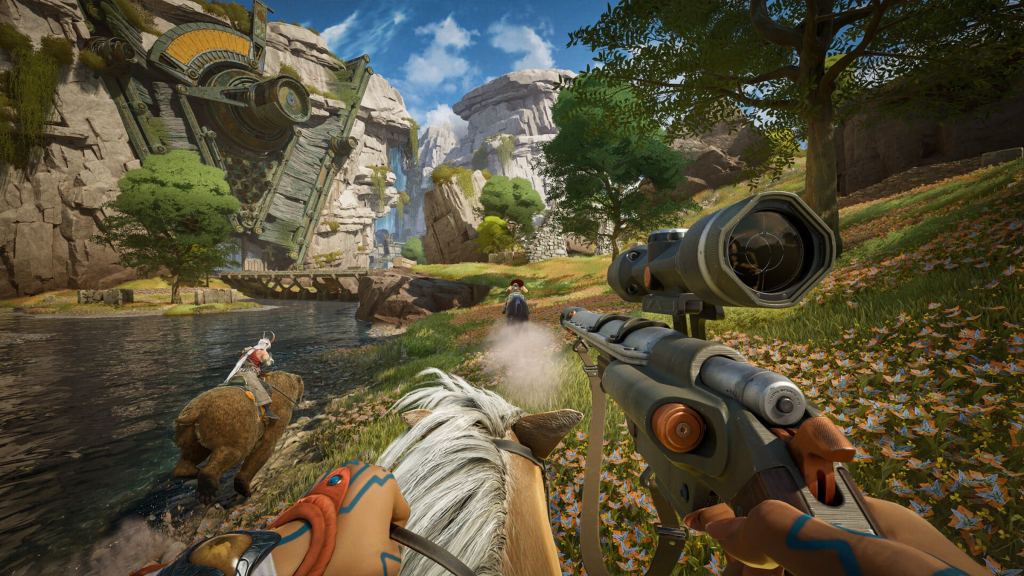
Highguard is one of the more intriguing new shooters on the horizon because of its fresh take on the hero shooter formula. Rather than focusing solely on abilities and spectacle, it emphasizes role usage, map control, and team synergy. The goal is not constant chaos but structured engagements where positioning and decision-making matter.
It describes itself as a Raid Shooter, pitting two teams against one another. Both teams will first battle over control of an item, which will then be used to attack the opposing team’s base. Players must use their characters’ abilities to defeat the other team. Verticality, sightlines, and chokepoints are built to encourage teamwork rather than solo dominance.
If Highguard succeeds, it could influence a new generation of hero shooters that prioritize strategy over flash. Marvel Rivals is the hot thing in this subgenre, but it has its own issues. Having a game that is more focused on the objective rather than simply scoring eliminations could be huge for shooters going forward. Only time will tell if this mysterious game has what it takes, though.
Witchfire
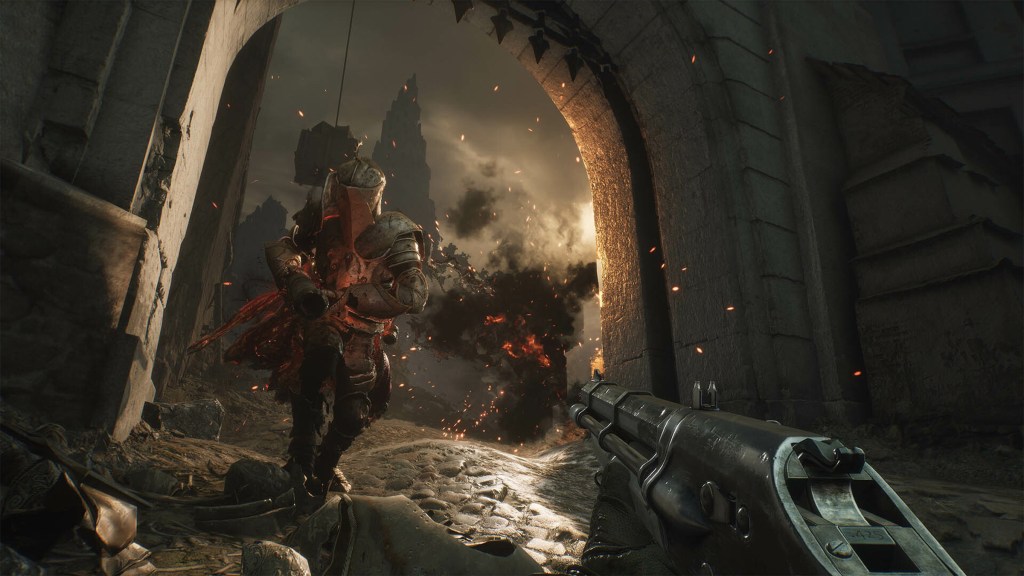
Witchfire is a mix of roguelike and shooter, blending intense shooting mechanics, surviving hordes of enemies, and progression systems that reward mastery. It leans into its atmospheric design to create a dangerous world. Gameplay runs are full of tension, precision, and ultimately learning through repeated failure. All of this is accompanied by deliberate pacing that emphasizes difficulty without feeling unfair.
Every aspect of the game feels meaningful. Weapons feel weighty, enemies are dangerous, and mistakes are costly. It is not a power fantasy in the traditional sense. It is closer to a tactical experience where understanding enemy behavior and map layout is critical. Throughout its early access life, this has only become more and more apparent.
The roguelike structure allows Witchfire to remain challenging as you level up and improve. Each run teaches the player something new, reinforcing skill development over time. While Returnal and Saros have more of an emphasis on narrative, Witchfire fully embraces mechanical depth that allows its roguelike elements to shine.
Marathon
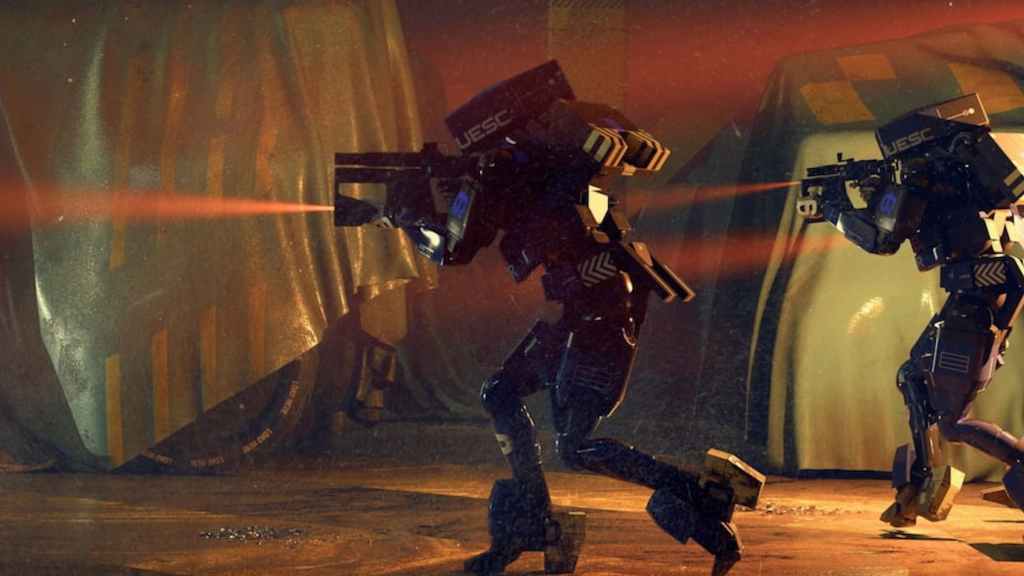
Marathon is one of the most exciting projects in the shooter genre, even more so after Arc Raider’s success. While Bungie’s controversies have left some wary, a great many shooter fans are excited for this title. Bungie’s original Marathon series was deeply narrative-driven, using terminals and environmental storytelling to build a complex science fiction universe. The modern revival takes that DNA and applies it to a competitive extraction shooter format.
What could reshape the genre here is how Marathon approaches maps as storytelling tools. Bungie has emphasized that environments are not just arenas but narrative spaces filled with context, history, and player-driven outcomes. This echoes the studio’s earlier strengths while pushing them into a multiplayer-focused structure.
Extraction shooters often struggle with identity, leaning heavily on high-risk PvP tension without much narrative grounding. Marathon aims to bridge that gap. If successful, it could redefine how competitive shooters deliver stories without relying on cutscenes or single-player campaigns. For players who remember Bungie’s talent for world-building, this feels like a return to form with modern ambitions.
Saros
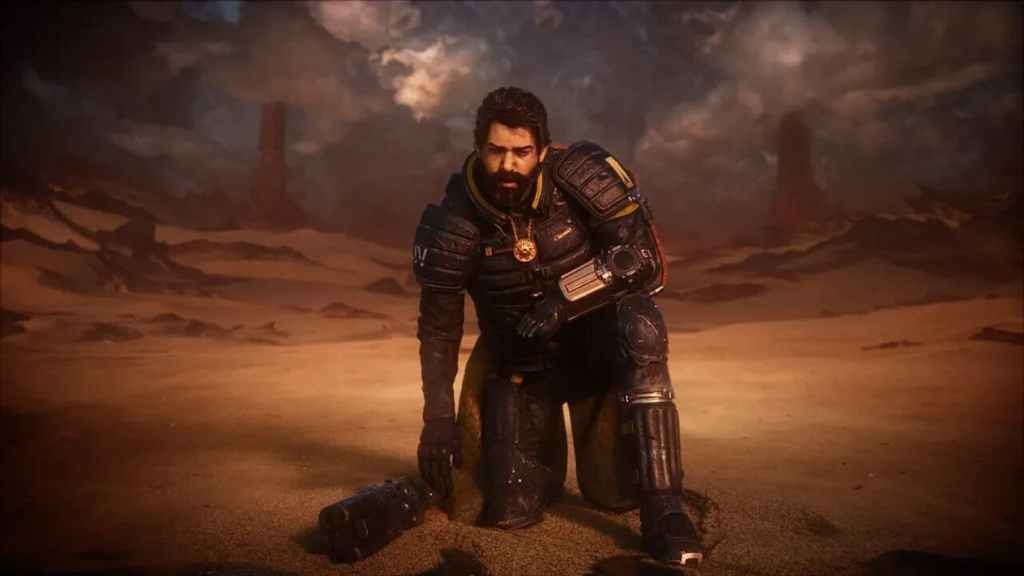
Saros is Sony and House Marque’s sequel to Returnal, a roguelike title that merged narrative-driven single-player design with shooter mechanics like never before. This follow-up is poised to be even more impactful because the developers are making the game more accessible while expanding the experience. If it is even half as good as Returnal, shooter fans are in for a real treat.
Part of what makes Saros so exciting is its roguelike world. Levels are constantly shifting and testing players’ ability to read environments. Not only that, but with an ever-changing arsenal, players must also master a variety of weapons, each of which can be modified. Then there are the puzzles present in each arena, and the lore that is tied to the looping gameplay. Details are sparse, but Returnal proved just how effectively House Marque could execute these ideas.
If Saros follows Returnal’s footprints, players can expect a shooter with layouts, enemy placement, and environmental details that work together to convey story beats without explicit exposition. In a genre often dominated by objective markers and scripted sequences, Saros could inspire a renewed interest in subtle storytelling. If successful, it may influence how future shooters approach narrative integration.
Gears of War: E-Day
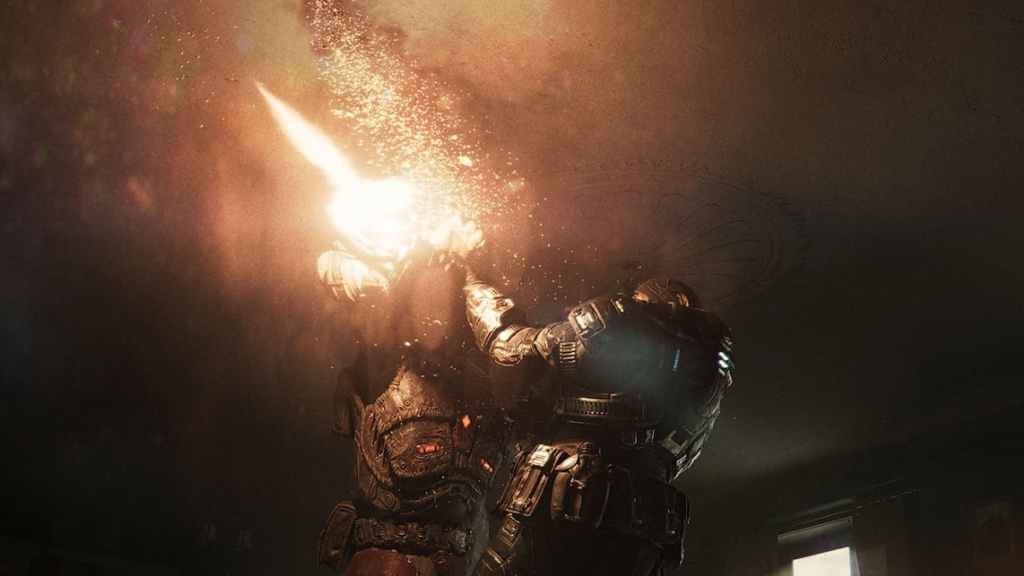
Gears of War: E-Day has the potential to reintroduce something modern shooters have largely abandoned: meaningful cover-based gunplay. During the Xbox 360 era, Gears of War helped define third-person shooting by emphasizing positioning, tactical movement, and deliberate pacing. Over time, even this iconic series itself leaned toward faster, more aggressive combat.
Set during the early days of the Locust invasion, E-Day is positioned as a tonal and mechanical reset. The focus on survival, limited resources, and squad-based combat matches closely with what made the original trilogy resonate. Cover is not an option, but a necessity, reinforcing tension and strategy.
In an era dominated by sliding, bunny hopping, and constant motion, a successful return to slower, heavier combat could influence other developers to rethink pacing. If Gears of War: E-Day succeeds, it may prove there is still a strong appetite for shooters that reward patience and positioning over raw reflexes.
What do you think? Leave a comment below and join the conversation now in the ComicBook Forum!
Most Viewed
-

Courtesy of Sony Pictures Animation / McDonald's -

Image via Jasper Savage/Prime Video