Over the years, some of the best RPG video games out there have been Dungeons & Dragons tie-ins. From the recent success of Baldur’s Gate 3 back to early installments from the 1990s like Neverwinter Nights, there is a long and storied history of great D&D video games. But that doesn’t mean every game featuring the D&D nametag has been a runaway hit.
Videos by ComicBook.com
Since the TTRPG released back in 1974, there have been well over 100 Dungeons & Dragons video games. And a surprising number of them have been solid, from virtual tabletops like Demeo x Dungeons & Dragons: Battlemarked to full-on RPG adventures like Baldur’s Gate 3. But some, from defunct co-op titles to older installments with baffling combat mechanics, were flops. If you’ve ever wondered which D&D games you’re better off avoiding, here are some of the worst ones ever made.
5) Iron & Blood: Warriors of Ravenloft
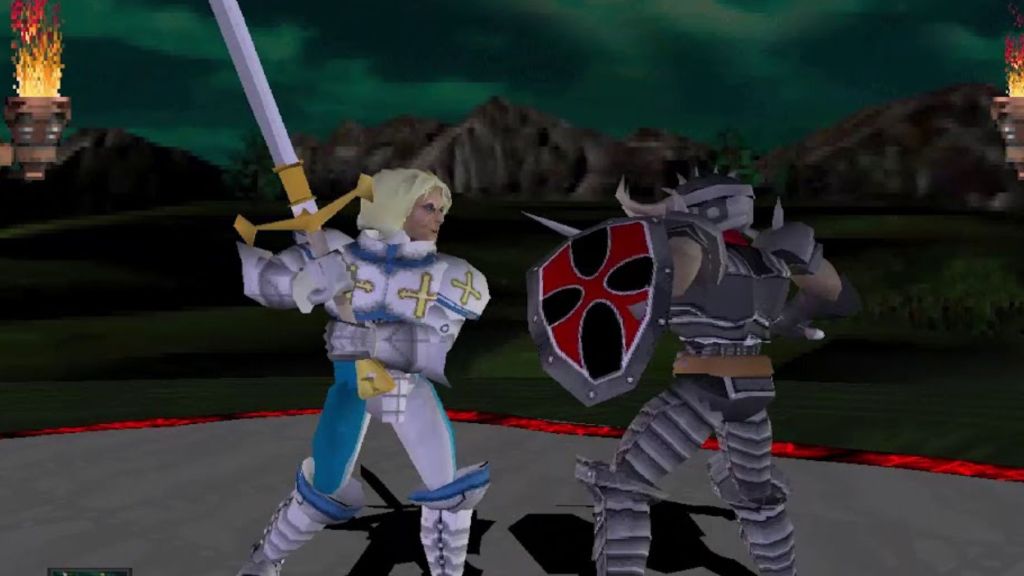
Released in 1996, this early installment pre-dates the widespread use of review aggregators like Metacritic. Despite dodging a red-coded Metascore, this game has unfortunately still earned a reputation as one of the worst D&D games ever made. A 3D fighting game using the beloved Ravenloft setting, Iron & Blood was poorly received in its time. Unlike some cult classics that had a resurgence, those who’ve revisited the game in recent years tend to double down – this game was just plain bad.
Unlike many D&D games, Iron & Blood isn’t really an RPG. Instead, it’s a brawler game a la Street Fighter. And by all accounts, it isn’t a very good one. Despite pulling from one of the best settings in D&D, this game has been maligned for its terrible controls, lackluster voice acting, and baffling camera angles. If it did have a Metascore, I can only assume it would be a bad one.
4) Dungeons & Dragons Tactics
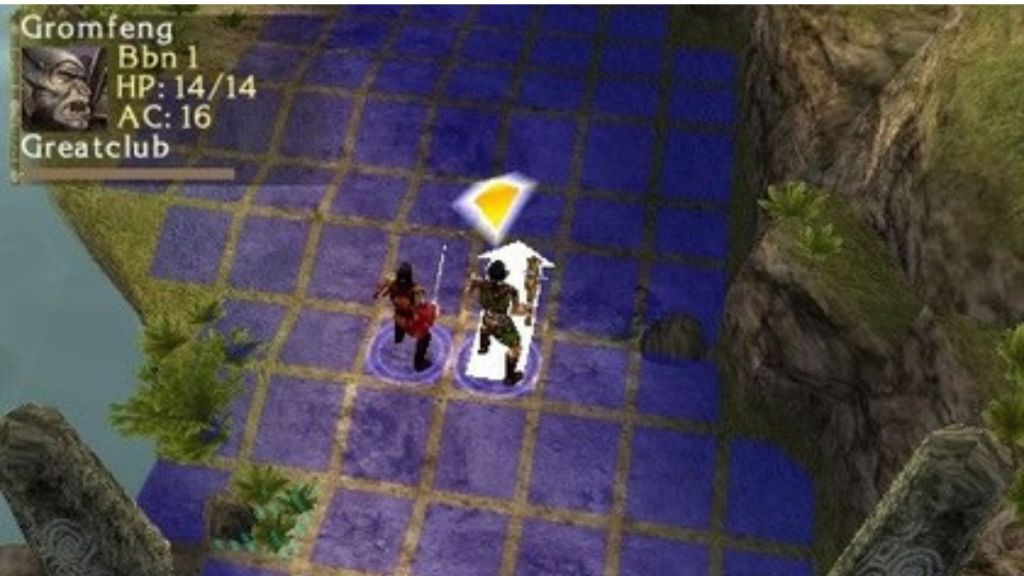
As its name suggests, this 2007 release was a tactical RPG. It launched for the PSP and pulled from the D&D 3.5 Edition ruleset. And those who played it felt the game sometimes adhered to those rules a bit too much, leaving little flexibility for what players could do. That said, you did get to generate your own characters if you wanted, or use pre-generated ones. This, plus its adherence to the rules of the TTRPG, has earned it some praise among diehard D&D fans. But by and large, it was poorly received.
Dungeons & Dragons Tactics is largely held back by its inability to flex the rules by the “rule of fun” like you can at a real table. This, along with clunky UI and poorly chosen camera angles, earned the game a 58 Metascore. Though not as low as some more recent installments, that’s still pretty bad compared with the likes of Baldur’s Gate 3. The game has fared slightly better with fans, earning it a more mixed 6.6 user rating on Metacritic. Even so, Tactics remains one of the worst D&D games released in recent years.
3) Dungeons & Dragons: Eye of the Beholder

This 2002 release came out for the Game Boy Advance, bringing players a pared-back rendition of the 3rd edition D&D rules. It takes place in Waterdeep and was somewhat limited by its use of only 4 of D&D‘s many class options. Eye of the Beholder does offer something for players interested in an old-school dungeon crawl. But on a technical level, it fell short, offering middling graphics, lackluster audio, and overly convoluted gameplay that’s hard to get into.
Due to its relatively small number of critical and user reviews, it’s hard to say if this one might have been better rated if it had achieved any level of popularity. As it stands, the game has a 57 Metascore, fairing slightly better with users at a generally favorable 7.6. Even if 4 of the 7 people who reviewed it on Metacritic may have liked Eye of the Beholder well enough, it’s clear that this Game Boy Advance rendition of the TTRPG never found its audience.
2) Dungeons & Dragons: Dark Alliance
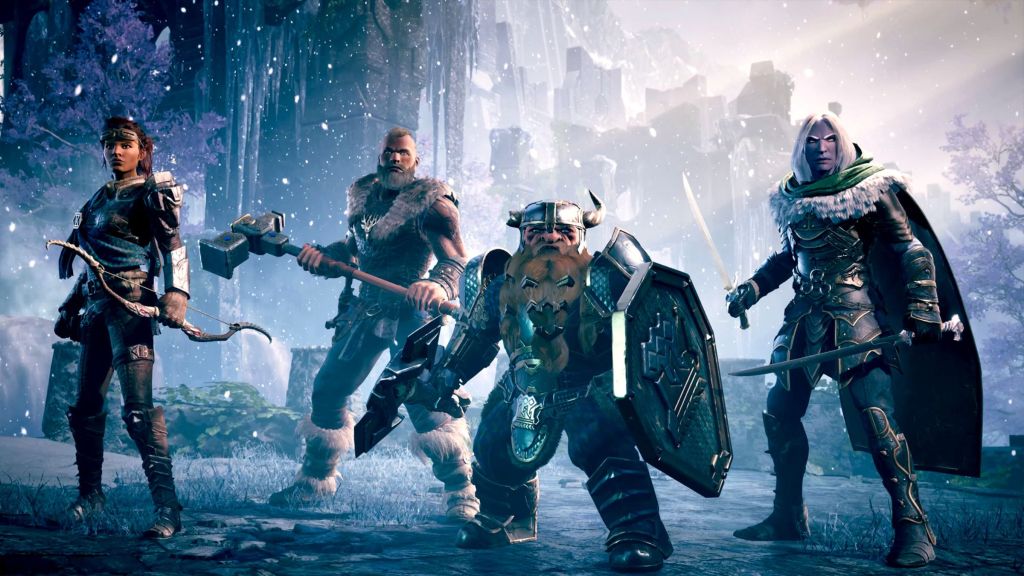
This game borrows part of its title from one of the best Dungeons & Dragons games, Baldur’s Gate: Dark Alliance. But alas, that’s where the similarity ends. 2021’s Dark Alliance was a resounding failure by most accounts, leading to its full delisting and online server shutdown in 2025. At its core, the game was a co-op party RPG, which could have been its biggest strength. But due to lackluster combat mechanics, launch day bugs, and a limited roster of just 4 playable heroes, it never took off. Big multiplayer games live or die by their fanbase, and this one never got off the ground.
On Metacritic, D&D: Dark Alliance has a measly 53 rating from critics. But fans have even stronger feelings, landing it at a 3.1/10. The game is no longer available on Steam, but at the time of its delisting, it sat at a Mixed rating. A few fans enjoyed this game’s adherence to the lore of the Forgotten Realms and the ability to join up with friends. But by and large, it was considered “resoundingly okay” at best. Given Wizards of the Coast’s decision to take the game down entirely, it’s safe to say it probably didn’t perform well commercially, either.
1) Dungeons & Dragons: Daggerdale
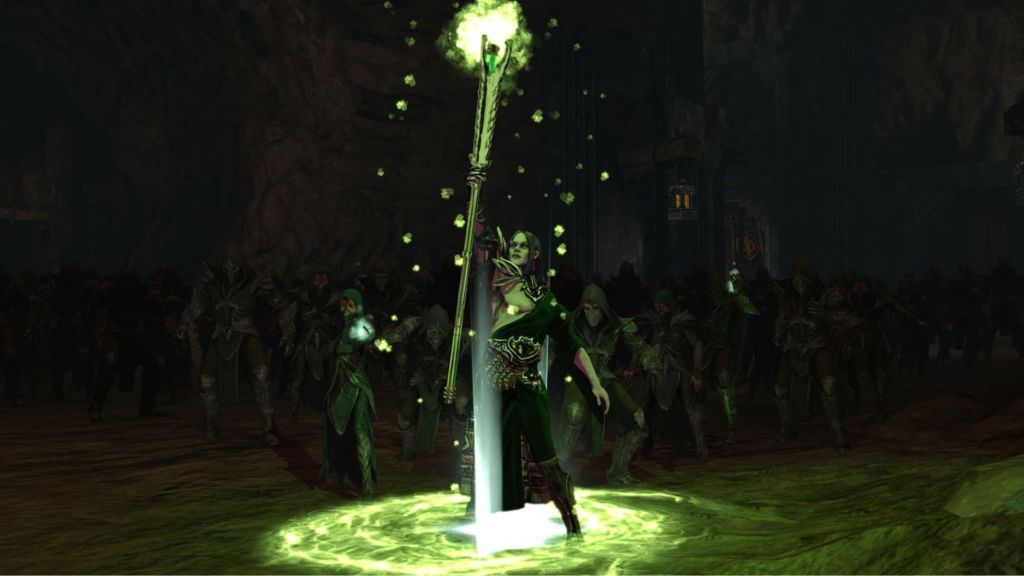
And now, we arrive at the game with a Metascore rating so low, I’m tempted to play it just to see if it could possibly be that bad. Daggerdale released in 2011 for PC, PS3, and Xbox 360. And it has the lowest Metascore of any official Dungeons & Dragons game to date, with a dreadful 46 on its most-reviewed platform, Xbox 360. The game sought to bring hack-and-slash D&D action in a co-op format, failing at this formula ahead of Dark Alliance‘s similar stumble.
What earns the game its poor ratings? So many things. A lack of expansive class options, little in the way of engaging storytelling, dated graphics, and general bugginess. Some players did enjoy the co-op, but that option is no longer available. As a solo game, it seems that many players struggle to find it interesting enough to keep playing, earning it a Mostly Negative rating on Steam to match its terrible Metascore.
Most Viewed
-

Courtesy of Sony Pictures Animation / McDonald's -

Courtesy of Sony Pictures Animation / McDonalds -

Images courtesy of Warner Bros. Pictures -

Image Courtesy of Netflix -

Image courtesy of The Pokemon Company -

Image Courtesy of Marvel Comics