Every once in a while, a game shows up that doesn’t just entertain people, but also changes how they think about games entirely. After playing this kind of game, expectations often shift. What once felt impressive suddenly feels ordinary, and entire genres begin to look different from what they used to be. This is the concept of innovation, and when it takes the wheel, all of gaming takes a few steps forward.
Videos by ComicBook.com
True innovation in gaming comes from ideas that feel completely new. Not polished sequels. Not smarter follow-ups. These are the titles that redefined mechanics, storytelling, or player freedom in ways no one saw coming. There are many games that fit this definition, but here are 7 of the most innovative that still define much of the industry’s development standard today.
7. The Sims

When The Sims launched, it ignored the traditional idea that a game needed a win condition. There were no final bosses or dramatic end credits waiting at the finish line. Instead, players were dropped into a digital dollhouse and told to live. Careers, relationships, jealousy, chaos, and domestic disasters became the point. It felt less like chasing objectives and more like observing and shaping a living experiment.
What made it groundbreaking was how it trusted systems and the player to create drama. Characters had needs, emotions, and unpredictable reactions that collided in surprising ways that made for compelling, moment-to-moment gameplay. Stories were not written in advance but formed naturally through player decisions. The game turned everyday life into compelling gameplay. In doing so, it proved that even the mundane could be endlessly engaging.
6. Dark Souls

Dark Souls arrived during an era when many games were focused on accessibility and smooth progression. It went in the opposite direction and made failure part of the experience. Enemies punished careless movement, bosses demanded patience, and the world offered very little guidance. Players were expected to pay attention and learn through repetition. The game never apologized for being harsh.
That difficulty was not just mechanical. It was woven directly into the atmosphere and lore. The decaying world, cryptic dialogue, and constant sense of struggle reinforced the feeling of perseverance. Every victory felt earned rather than handed out. The design philosophy inspired countless developers to embrace challenge, and its successors eventually led to the creation of the “Souls-like” genre. Dark Souls reminded the industry that players often crave depth and mastery over participcation award levels of convenience.
5. Portal

Portal built its entire identity around one simple but revolutionary idea: the legendary Portal Gun. It allowed players to bend space itself, turning walls into doorways and floors into launchpads. Movement became a puzzle, and physics became a playground and sandbox for that puzzle. Players had to think in ways that felt completely unfamiliar at first, and it forced a new kind of spatial reasoning that few games had explored before.
Beyond its mechanics, the game delivered storytelling without pulling players out of the action. The sterile testing chambers and subtle environmental clues slowly revealed something darker underneath the surface. Humor and tension existed side by side, creating a tone that felt unique in scope. Dialogue flowed naturally as players experimented and solved rooms. Portal showed that a tight concept executed perfectly could redefine an entire genre.
4. Halo: Combat Evolved
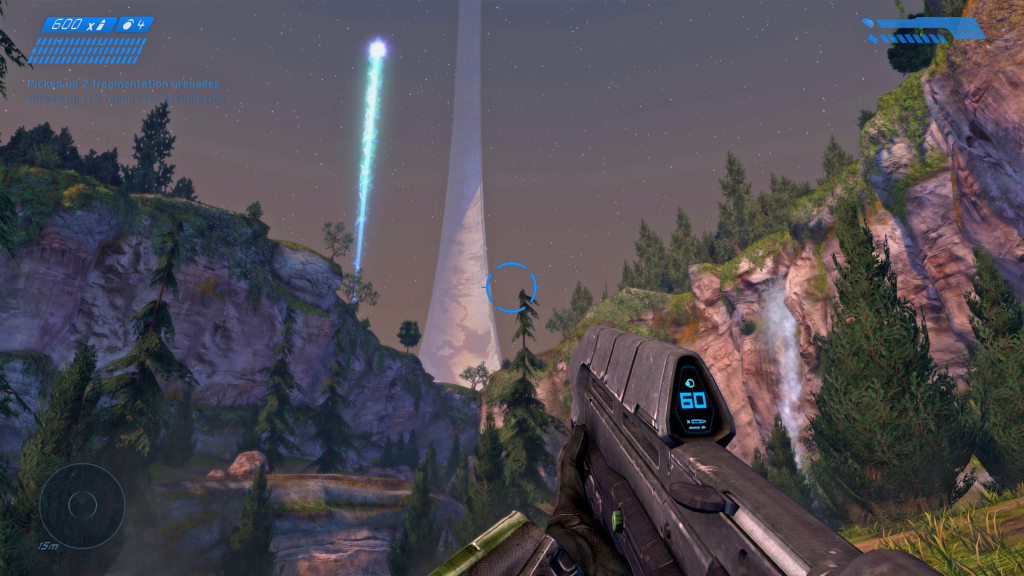
Before Halo: Combat Evolved, first-person shooters were largely associated with PC gaming, with a mere mite of existence on consoles at the time. Bringing that experience to consoles in a meaningful way seemed nearly impossible due to the superior control scheme that mouse and keyboard offered toward first person shooters.
Though still true to this day, Halo proved that the genre can work on consoles by refining movement, aiming, and combat flow for a controller. The introduction of regenerating shields and a dedicated grenade button also shifted how firefights felt moment to moment. Encounters became about rhythm and positioning rather than simply hoarding health packs.

The game also reshaped multiplayer on consoles in a major way. Split-screen sessions were already a thing at this point; they became true social events thanks to Halo‘s involvement, with LAN connections turning living rooms into battlegrounds. Its map design encouraged strategy without overwhelming players. The balance between weapons felt deliberate and thoughtful. Ultimately, Halo created a standard for future console first-person shooters that others would follow for years.
3. Half-Life
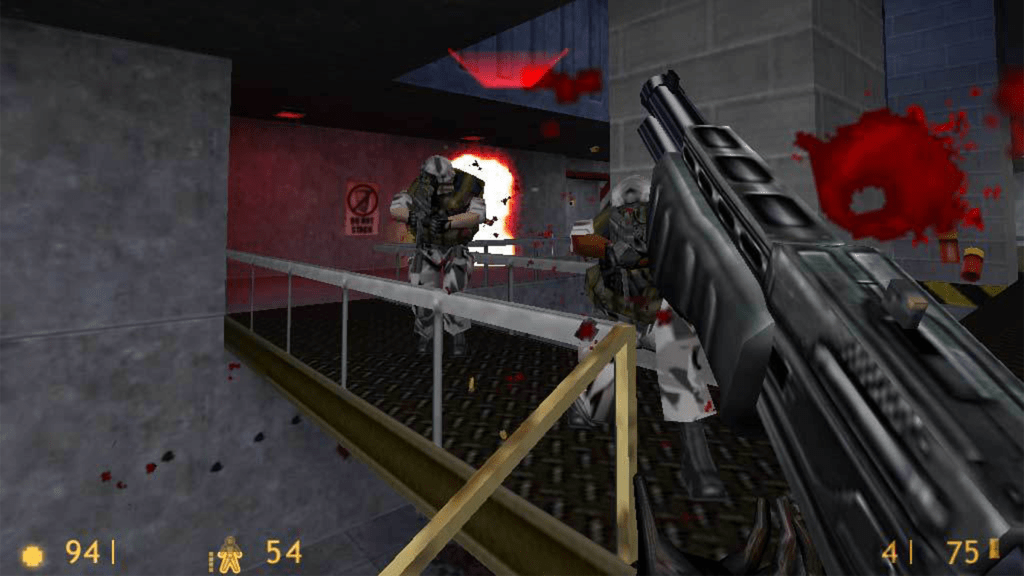
Half-Life refused to interrupt players with traditional cutscenes. The camera never pulled away, and control was rarely taken out of the player’s hands. Story moments happened around them in real time, making the world feel cohesive and believable. It blurred the line between gameplay and narrative in a way that felt seamless. That approach was a massive shift for shooters at the time, as the concept of having a strong narrative in a video was still highly foreign.
Enemy behavior also pushed the genre forward. Soldiers coordinated attacks, flanked positions, and reacted dynamically to the player’s actions. The world itself felt reactive and grounded rather than static. Scientists and security guards added personality without lengthy exposition. Half-Life demonstrated that shooters could deliver immersive storytelling while maintaining constant player agency.
2. Minecraft
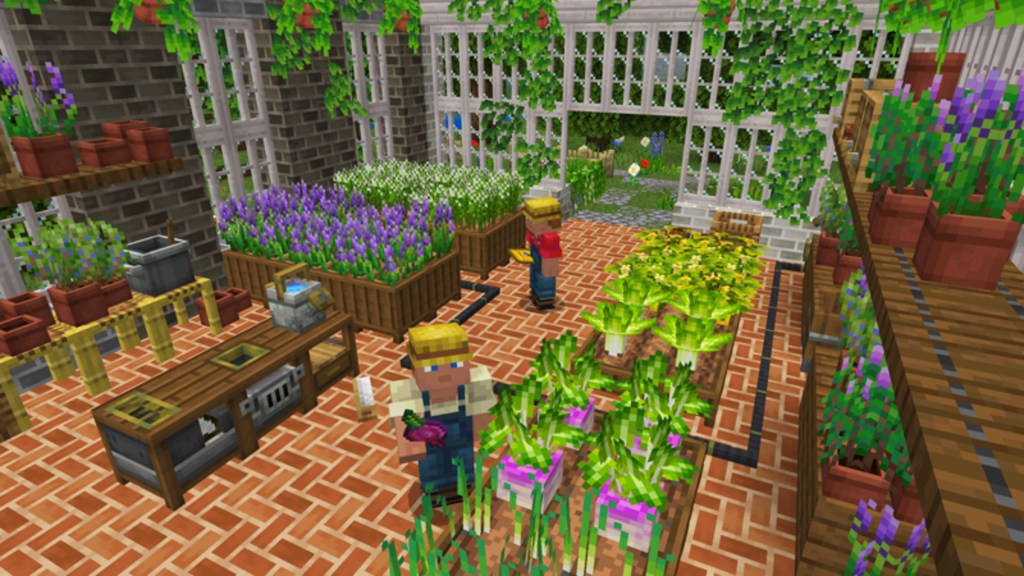
At first glance, Minecraft looked almost too simple to matter. Its blocky visuals and minimal direction gave little indication of how transformative it would become. Players were placed in a vast world with seemingly mediocre graphics and basic tools, told to survive. From there, creativity took over. Though a negative at first for the game, the absence of strict objectives would go on to become its greatest strength.
Communities began building entire cities, elaborate contraptions, and imaginative roleplaying worlds, all with the tools provided in-game. These ideas would evolve Minecraft from just a game into a full-on platform, where imagination drove the experience more than any scripted content. It empowered players to become architects, engineers, and storytellers, and actively encouraged this with the help of social media as its fuel source. Few games have handed over that level of control so completely. Minecraft proved that sometimes the most innovative design choice is stepping back and letting players lead.
1. Diablo

When Diablo was released, it effectively created the modern action RPG blueprint and loop that still dominates the genre today. Clicking to move and attack felt simple, but beneath that simplicity was a hypnotic rhythm. Descend deeper, fight harder enemies, grab better loot, repeat. That loop was endlessly compelling and dangerously addictive, and over 20 years later, it still is.
What truly made it revolutionary was how it blended atmosphere, randomness, and progression into one seamless experience. Procedurally generated dungeons, something already revolutionary on their own, meant no two runs felt the same. Loot drops were unpredictable, which made every enemy kill feel like a potential jackpot. It laid the groundwork for an entire genre built around grinding, theorycrafting, and chasing the perfect build. Nearly every loot-driven game that followed owes something to Diablo’s design, even the entire looter shooter genre.
What do you think? Leave a comment below and join the conversation now in the ComicBook Forum!
More Gaming
-

Screenshot by ComicBook -

Image Courtesy of Playstack