Back in the 1980 and ’90s, the video game console wars pitted two companies against one another: Nintendo and Sega. Ultimately, Nintendo won the conflict, and it continues to produce consoles, while Sega abandoned console development in favor of its software. Sega released six home consoles, excluding the Sega Pico, an educational system, and several Genesis attachments, like the 32X and Sega CD, that aren’t included as base consoles. We looked through the six that Sega developed and ranked them based on popularity, their game libraries, and their impact on the industry.
Videos by ComicBook.com
6) SG-1000
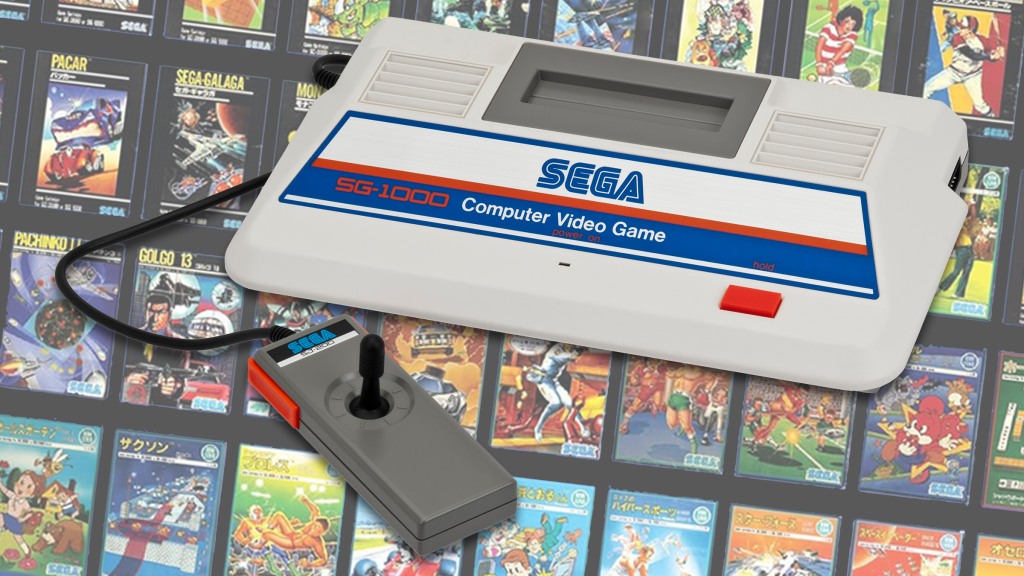
Sega’s first home video game console was the SG-1000, released in Japan and some other regions, but it wasn’t sold in North America. As a result, it didn’t compete with the Nintendo Entertainment System in the States, and most folks aren’t aware of its existence. The system came out in several different form factors over a few years. It featured a library of 51 ROM cartridges and 29 Sega My Card games. The console was somewhat popular but had several technical limitations, so it took the bottom spot. That said, it has some decent games, including Safari Race, Star Force, Wonder Boy, Sega-Galaga, and a few others.
5) Game Gear
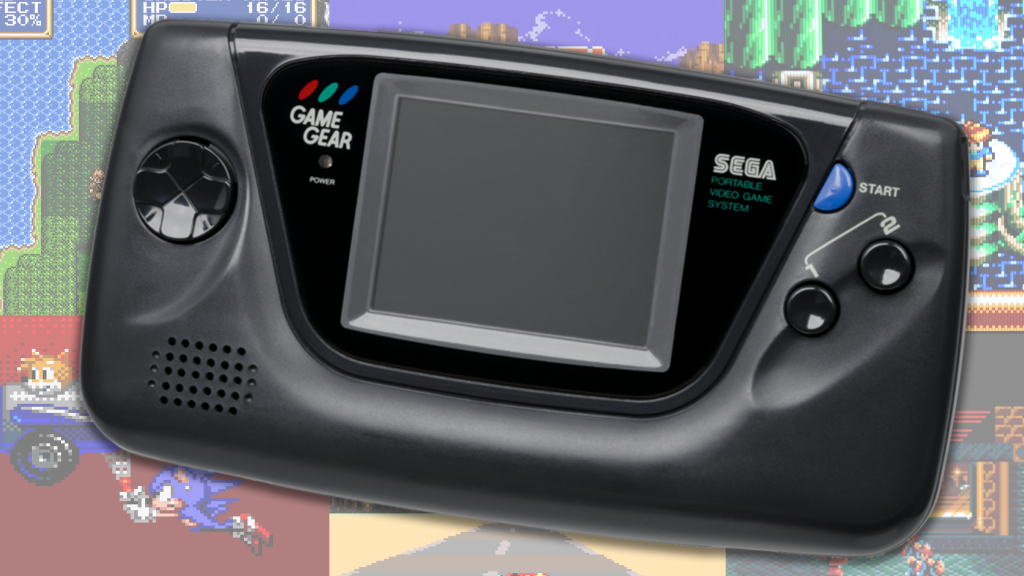
Sega jumped on the handheld console bandwagon with the Game Gear in 1990, and it was a huge step up from the Nintendo Game Boy’s capabilities. It’s an 8-bit system like the Game Boy, but it features a backlit color screen, a fast processor, and a decent library of games. Unfortunately, the reason that Nintendo chose a monochrome display wasn’t due to technical limitations; it was cost and battery drain. Sega took the leap with the Game Gear, which became a monstrous battery hog, thanks to requiring six AA batteries for only three to five hours of play, whereas the Game Boy could run for up to 30 hours on four batteries.
4) Sega Saturn
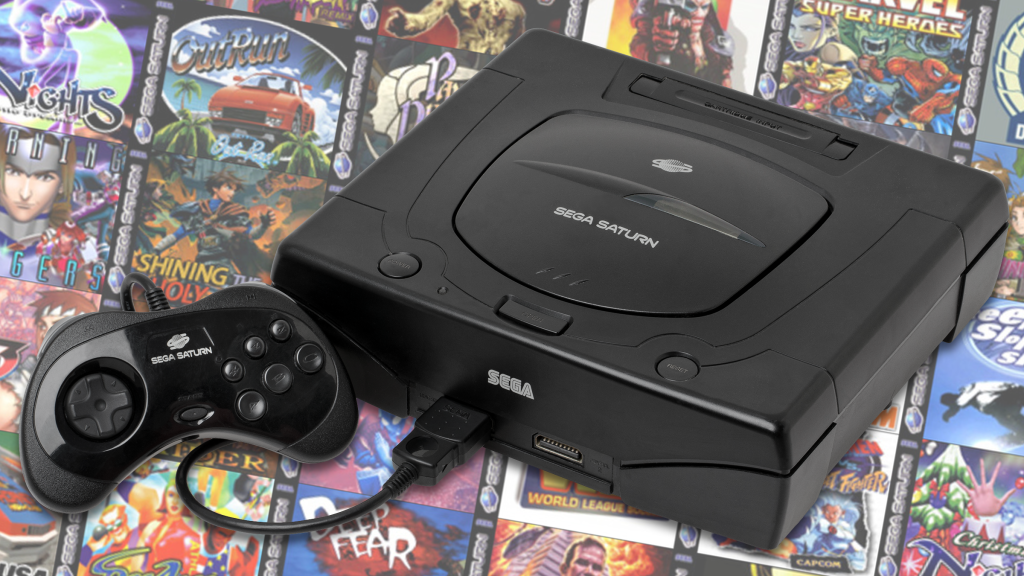
Sega developed its first CD-ROM-only console, the Sega Saturn, which was released in 1995. The Genesis had a CD-ROM attachment, but the Saturn was solely dedicated to the medium. While successful in Japan, it faltered in the United States, where it went up against Sony’s PlayStation. As a result, Sega stopped making them after only three years, though the system featured some good games, including Virtua Fighter and several others. While a decent system in and of itself, the competition ensured its demise, and the Sega Saturn died out before it had much of a chance to establish itself.
3) Master System

While Sega didn’t sell the SG-1000 in the U.S., it did create a third iteration of the console into a remodeled device called the Master System. This was the console developed to compete with the NES in North America, and it featured several accessories similar to those of the NES, including a light gun and 3D glasses. Initially, it took both Sega Cards and cartridges, though Sega moved away from cards in later models. The system sold relatively well, though far below Nintendo’s numbers, and it had a good library of games, including several Sonic the Hedgehog titles, and more.
2) Dreamcast
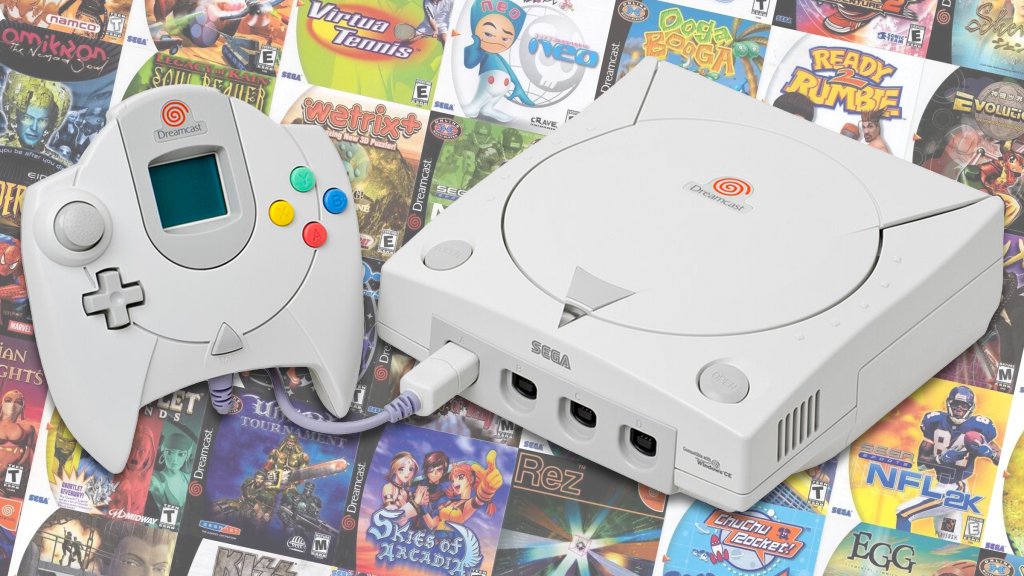
The last console that Sega developed, outside of its mini-consoles and micro Game Gear, is the Sega Dreamcast. Released in 1999. It was developed to compete with the PlayStation 2, GameCube, and Xbox. It was packed with features, including a modem, and it was set up for online play, putting it ahead of the competition. While it’s a great system (I still have mine), and it features a good library of games, it underperformed when faced with Sony’s might. Still, it had more than 600 games to its name, and Sega sold nearly 10 million units, but it wasn’t enough. After the Dreamcast failed, Sony began licensing its characters while focusing all of its energy on game development.
1) Genesis

The Sega Genesis was the company’s answer to the Super Nintendo, and for many fans, it’s a superior system. The Genesis was loaded with power, establishing the campaign, “Sega does what Nintendon’t.” The Genesis featured some excellent games, and while it became known for Sonic the Hedgehog, that’s only one of the 800+ developed for the system. To stay competitive, Sega released add-ons, including the Sega CD, the 32X, and the LaserActive, which expanded the library and helped bridge the gap between the 16-bit and 32-bit console generations. Sega sold nearly 31 million Genesis consoles, making it the company’s best seller.
What’s your favorite Sega console? Leave a comment below and join the conversation now in the ComicBook Forum!
Most Viewed
-

Sony Pictures -

Image courtesy of The Pokemon Company -
Image Courtesy of Marvel Comics -

Image Courtesy of HIDIVE -

Courtesy of Crunchyroll