While the concept of player survival is rooted in most video games, the survival game sub-genre is entirely different and encompasses many types, from survival horror to sandbox games where survival is the name of the game. The genre developed primarily in the 1990s, with a variety of titles that put players in great jeopardy, requiring drastic measures to survive. As it evolved, survival games branched into multiple directions, though key elements of resource management, environmental dangers/challenges, and player resilience remained. We wanted to take a look at the genre and highlight ten games that introduced significant innovations as it developed.
Videos by ComicBook.com
1) The Oregon Trail (1971)
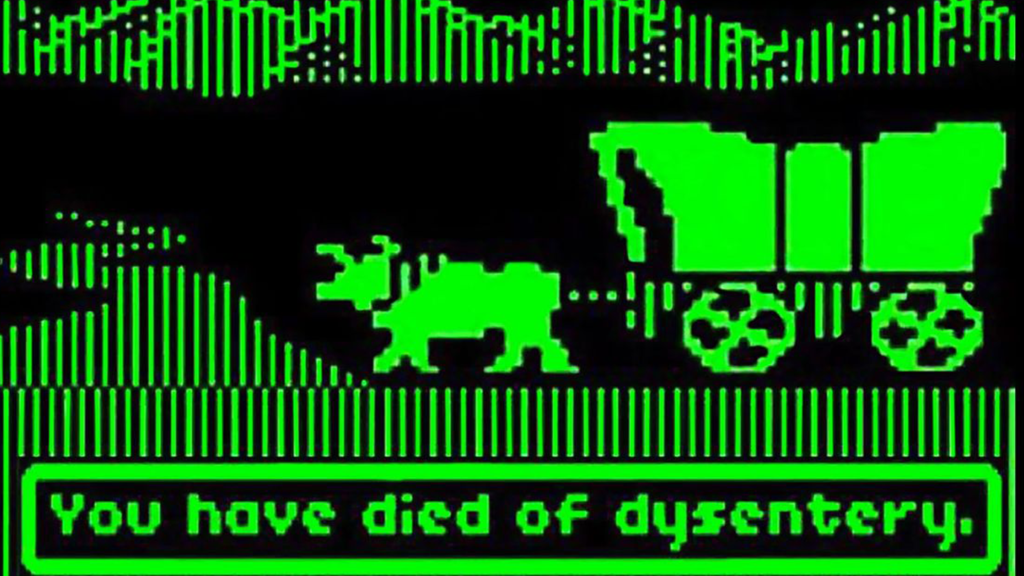
The first game that fits within the survival sub-genre is The Oregon Trail. While most are familiar with the graphical version released in 1985 and in subsequent years, the original version was a text-based school project developed in 1971. The game involves purchasing supplies, hunting for food, acquiring additional supplies along the Trail, managing inventory, speed based on conditions, and tragic accidents. It ends when the player dies or reaches Oregon. These elements combined to create the first true survival game, which went on to educate millions of students in subsequent decades.
2) Sweet Home (1989)
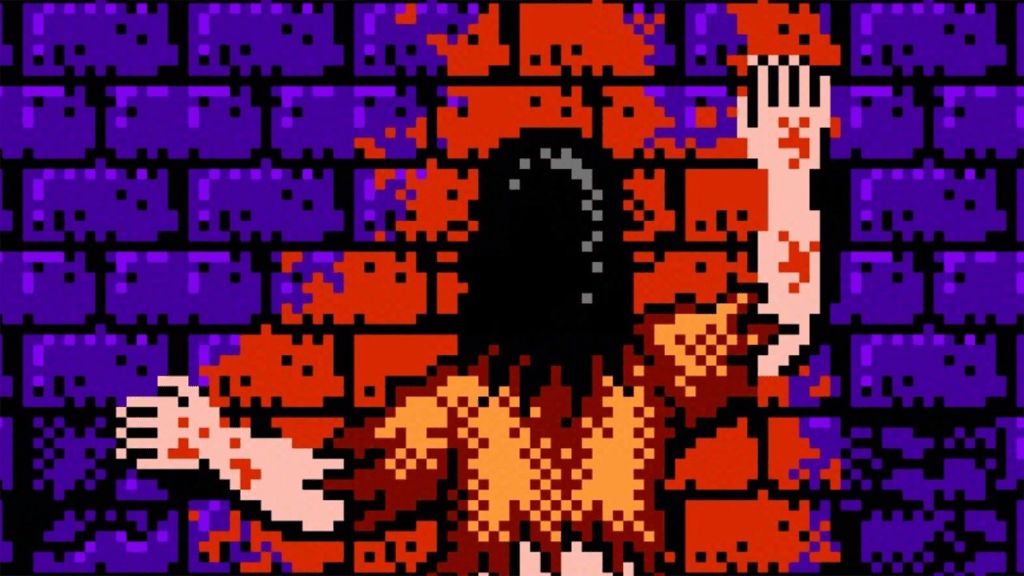
One of the biggest niches of the survival sub-genre is survival horror, which started in 1989 via Sweet Home on the Nintendo Famicom. The game was released alongside the horror movie of the same name as a tie-in. It established the survival horror genre in 8-bit graphics, and it’s both frightening and well-developed. Gameplay involves a group of five main characters surviving in a haunted mansion with limited supplies. It includes five different endings, depending on how the narrative plays out and who survives. It was a direct inspiration for Resident Evil, so its influence on the genre as it developed is significant.

3) UnReal World (1992)
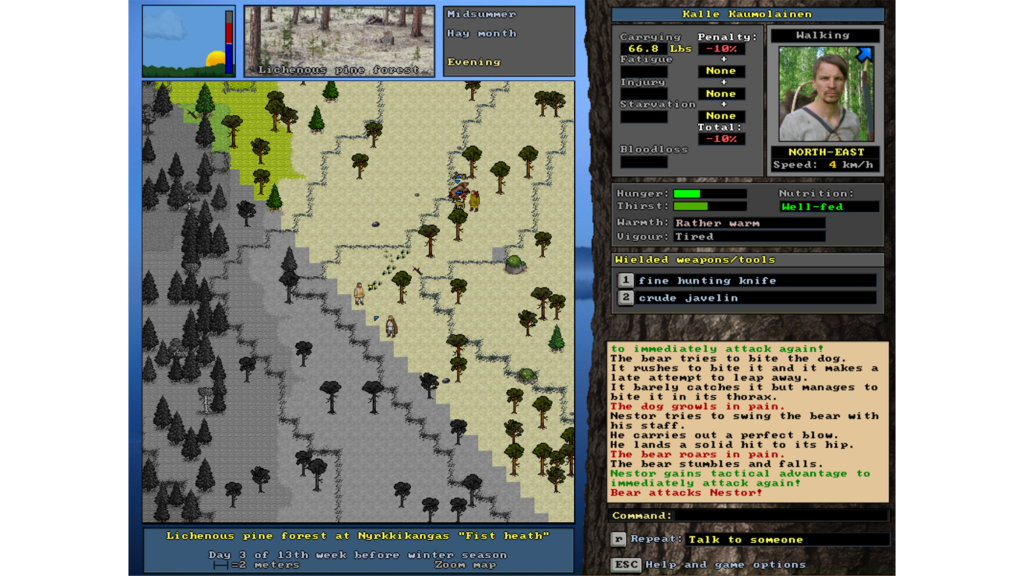
The survival genre continued to develop, resulting in 1992’s UnReal World, which holds the Guinness World Record as the “First open-world survival video game.” While an open world is common in some survival games, it’s not necessarily required. Regardless, for those that employ the mechanic, it began in Unreal World, which continues to receive updates decades later. The goal is to survive the harsh wilderness of Iron Age Finland, where snowstorms and frostbite can mean death. Much of the game’s survival mechanics didn’t entirely manifest until later in the ‘90s, resulting in a true survival game that broke new ground.
4) Alone in the Dark (1992)

As survival games and, in particular, survival horror evolved, developers embraced technological innovations to create 3D games. Alone in the Dark is the first 3D survival horror game, and like Sweet Home, it’s set inside a haunted mansion where the player must escape. To do so, the player must solve a variety of puzzles while avoiding, fighting, and banishing a plethora of supernatural horrors. It includes weapons, a weight-based inventory management system, and a mostly non-linear map. While its 3D polygonal graphics are dated today, when Alone in the Dark was released in ‘92, it was a true game changer, shifting survival horror into an entirely new direction. The game was another title that heavily influenced Resident Evil.
5) Robinson’s Requiem (1994)
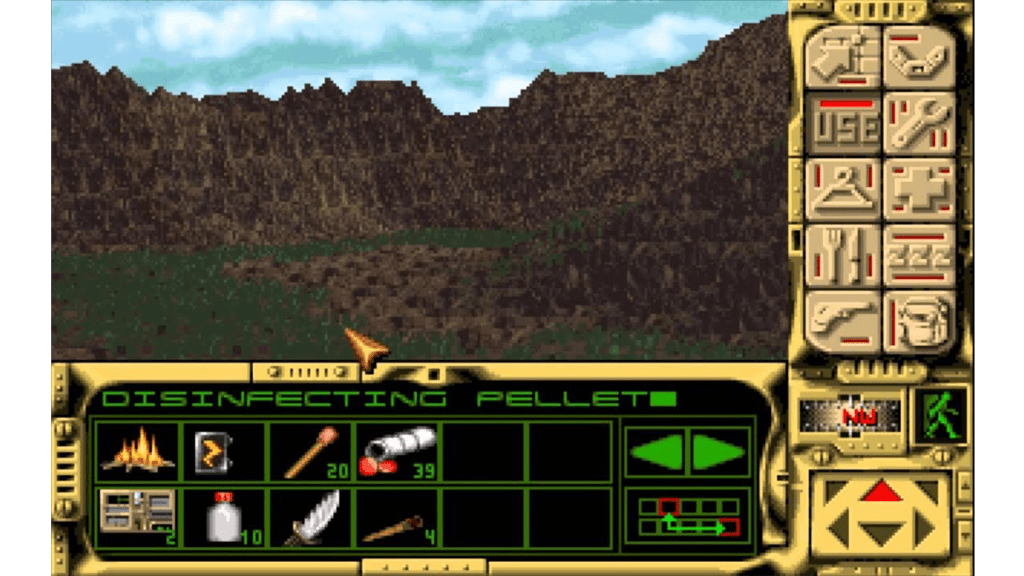
Survival simulations similar to UnReal World produced a variety of titles throughout the 1990s, and Robinson’s Requiem was one of the more interesting. While not a great game, it featured a high degree of complexity and difficulty in keeping the player character alive. This introduced more mechanics into the genre, and while the execution was considered too challenging for casual players, it offered an exceptional opportunity to try to survive a truly harsh environment. It required players to treat specific diseases, manage their vitals, and take care of wounds — going so far as to feature surgical procedures. It also embraced a survival process of hunting, cooking, and sleeping, coupled with exploration, which would become staples of the genre moving forward.
6) Resident Evil (1996)
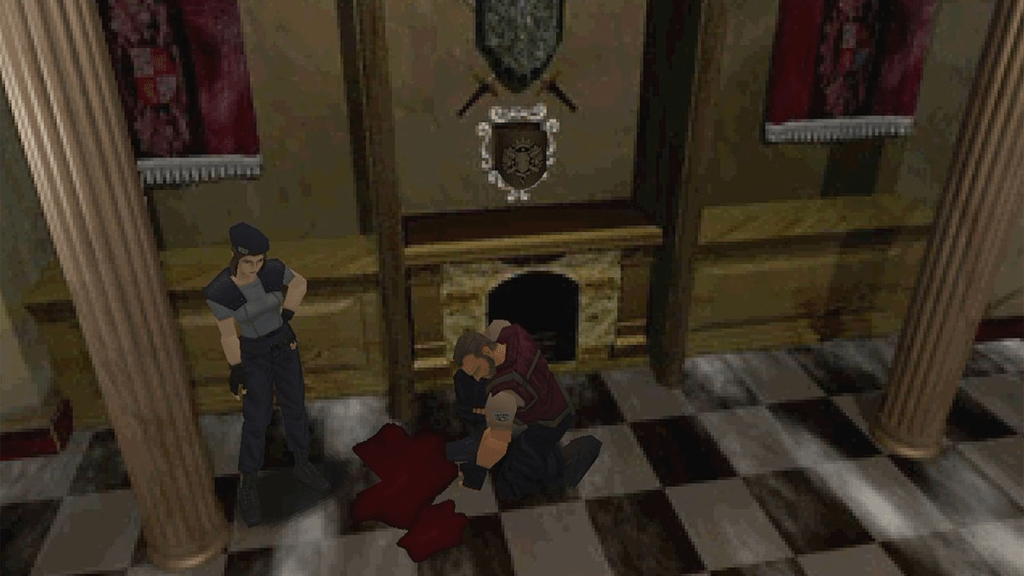
Most people likely think of the original Resident Evil as an early example of survival horror, as it’s the most successful. While it certainly earned its place in the genre’s history, as you already know by now, it’s not the first survival horror. The aforementioned entries heavily influenced its gameplay and mechanics, thanks largely to producer Tokuro Fujiwara, who developed Sweet Home. The game innovated by taking what came before, refining every aspect, and defining the survival horror genre through its gameplay and mechanics. In a sense, it became an archetype that subsequent games used as a model for the myriad of survival horror games that followed.
7) Survival Kids (1999)
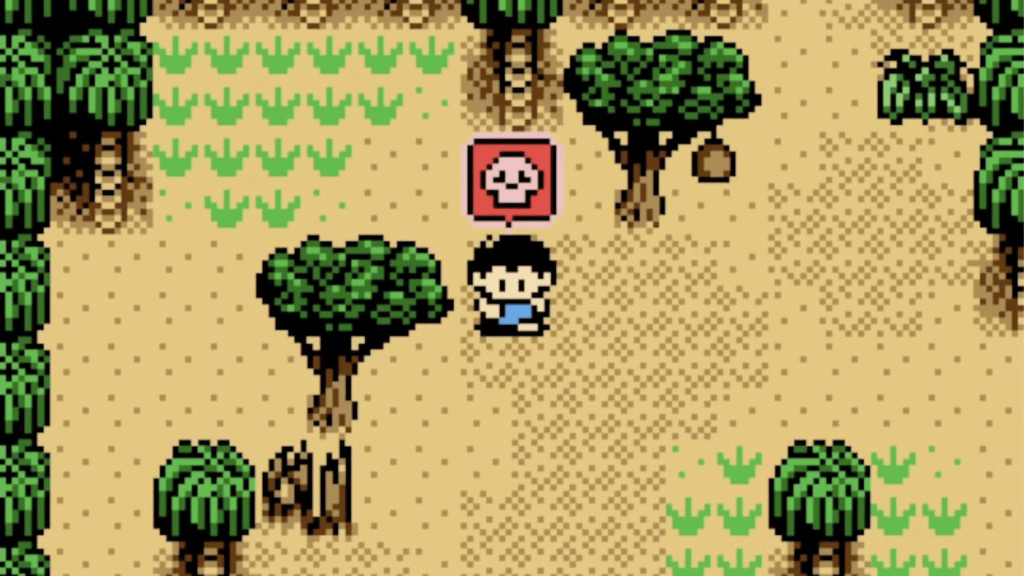
While survival horror games were a force to be reckoned with by the late 1990s, other survival titles arrived that didn’t lean heavily into terror. Survival Kids is the first in a series of survival games, released for the Game Boy Color in 1999. The game involves surviving on a deserted island, featuring an open-ended scenario that allows for multiple paths of progression. It features an item-crafting system that uses materials collected from the environment. Crafting wasn’t a new mechanic, but Survival Kids refined the concept first introduced in UnReal World, making it a core function of gameplay.
8) Minecraft (2011)
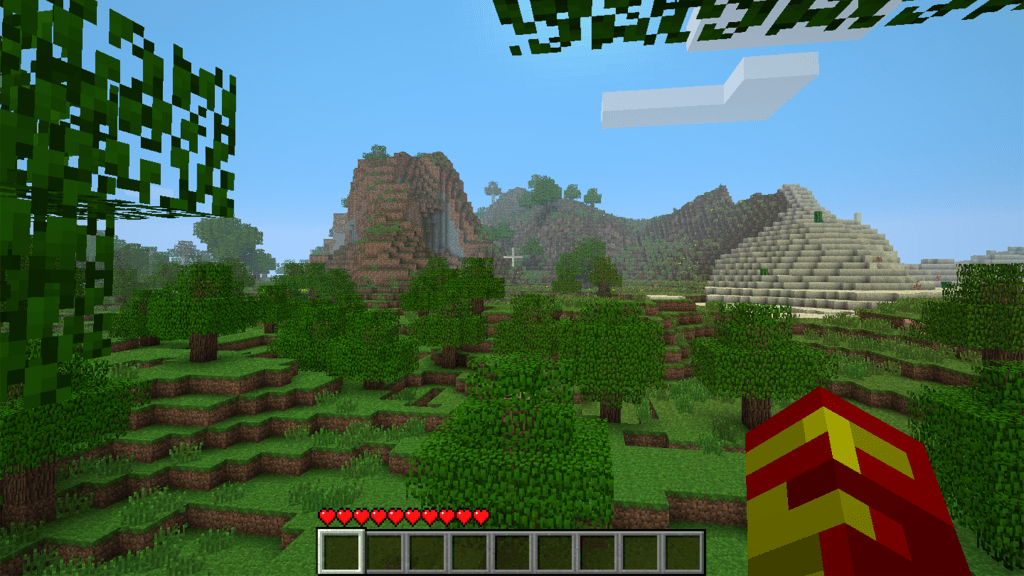
While not the first procedurally-generated open-world game, Minecraft is undoubtedly the biggest. Markus “Notch” Persson developed the game through an extended Alpha and Beta process that attracted millions of players. While it’s a sandbox game where you can do or build whatever you want, it’s also a survival game, as it features all of the core mechanics. These include crafting, exploration, eating, sleeping, fighting mobs, and more. Minecraft has farming and animal husbandry mechanics, and it’s the best-selling video game ever made, with more than 350 million copies sold. That has nothing to do with the genre, but is impressive, nonetheless.

9) 7 Days to Die (2013)

Survival horror and zombies are a natural fit, as Resident Evil demonstrated in ‘96, bringing zombies back into popular culture. 7 Days to Die is a survival horror set in an open world that is somewhat similar to Minecraft, though its physics engine is more realistic. It features all the typical elements of the genre, but it also includes an interesting mechanic regarding its enemies. The day/night mechanic affects the zombies’ nature, as they’re more aggressive at night. The player must survive numerous challenges and obstacles, hunt for food, collect water, and construct all manner of structures and craft items. The title is a reference to a Blood Moon event that occurs every seven days, when the zombies attack the player in huge hordes.
10) No Man’s Sky (2016)
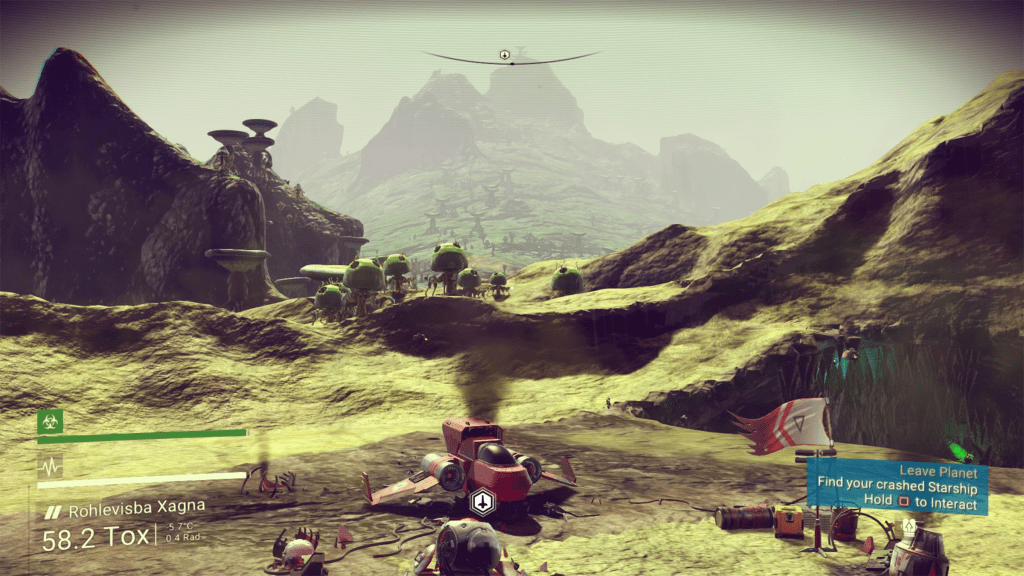
Minecraft’s influence is widespread, evident in the independently developed 2016 game No Man’s Sky. As you likely know, it had a horrible launch, but more people play No Man’s Sky these days, thanks to constant updates. The game features a procedurally generated galaxy spanning 18 quadrillion worlds. It has an overarching plot, but the game is essentially a sandbox open-world, where players can explore, build, craft, and survive a myriad of hostile threats. In a way, No Man’s Sky is an evolution of the concepts introduced or perfected in Minecraft, extending what was possible graphically, procedurally, and mechanically into a more detailed title.
Which game do you think innovated the most in the evolution of the survival sub-genre? Leave a comment below and join the conversation now in the ComicBook Forum!
Most Viewed
-

Courtesy of Lionhead Studios -

Image via Prime Video -

Courtesy of Toei Animation