Before World of Warcraft transformed the series into the MMORPG we know today, Warcraft games used a real-time strategy model. From the first game onwards, Warcraft gained a reputation for blending personality and RPG elements into the RTS format. As such, these games are often cited as laying the foundation for RTS games today. But Warcraft wasn’t the first game to use this approach, and it likely wouldn’t exist without its most influential predecessor.
Videos by ComicBook.com
Warcraft: Orcs & Humans was released in 1994, quickly followed by Warcraft 2: Tides of Darkness in 1995, and Warcraft 3: Reign of Chaos in 2002. But as much as the series has shaped RTS games as we see them today, the real credit may well rest with Dune 2: The Building of a Dynasty. Released in 1992, Dune 2 is generally considered the first mainstream model of a real-time strategy game like the ones we know today. And as such, Warcraft and RTS in general owe their existence to this game’s impressive legacy.
Dune 2: Building a Dynasty Was the First of Its Kind
Dune 2 was released in 1992 from Westwood Studios and Virgin Games. As its name suggests, the game pulls from the universe of Frank Herbert’s Dune series. However, it brings the spice without much of the plot, forging a game that’s set in Arrakis, but becomes something else altogether. Though technically a sequel to 1991 release Dune, the second game improved upon the formula so much, it spanned the RTS genre as we know it today.
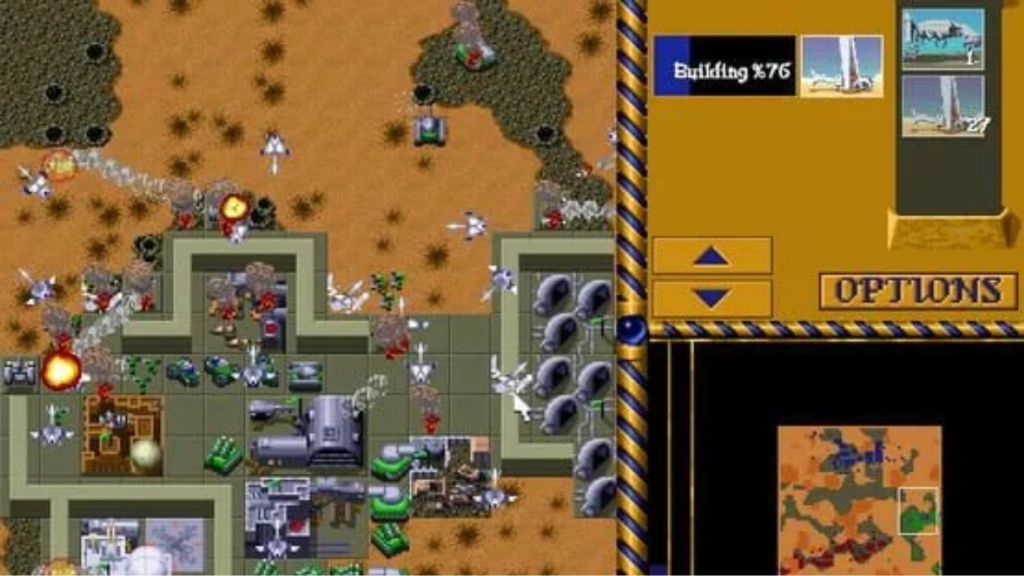
In Dune 2, players take command of an interplantary house. After choosing an alliance, players complete various missions centered on taking out rival units while harvesting spice to upgrade and build more units. Each mission centers on exploring the map with strategically built and deployed units to harvest spice and fend off your enemies. Though the concept may seem obvious today, many features from the in-game interface to the use of Fog of War were brand-new when they first appeared in Dune 2.
At the time of its release, Dune 2 received rave reviews for its innovative gameplay and sold reasonably well. So, it’s a bit of a shame that it’s been somewhat overshadowed by later comers to the RTS space. After all, Dune 2 may not have been the first RTS game, but it introduced several elements that would be foundational for later games like Warcraft and Age of Empires.
The Modern Legacy of Dune 2 Includes Age of Empires, Warcraft, And More
Much of what forms a typical RTS game today comes from elements that first appeared in Dune 2. Even if gamers don’t often think of this game when they think of RTS now, games like Warcraft, Age of Empires, and Frostpunk might not exist without it. Or, if they did, they might be missing many of the elements considered synonymous with a solid RTS to this day.
Most noticeably, Dune 2 introduced the Fog of War concept. This darkness covering the map adds an extra layer of challenge to your strategy, as you can’t always predict what’s coming. While Warcraft refined this by bringing the Fog of War back after you leave an area and return, this very idea first appeared in Dune 2. It’s hard to imagine the genre without Fog of War now, and we have it because Dune 2 gave it to us first.
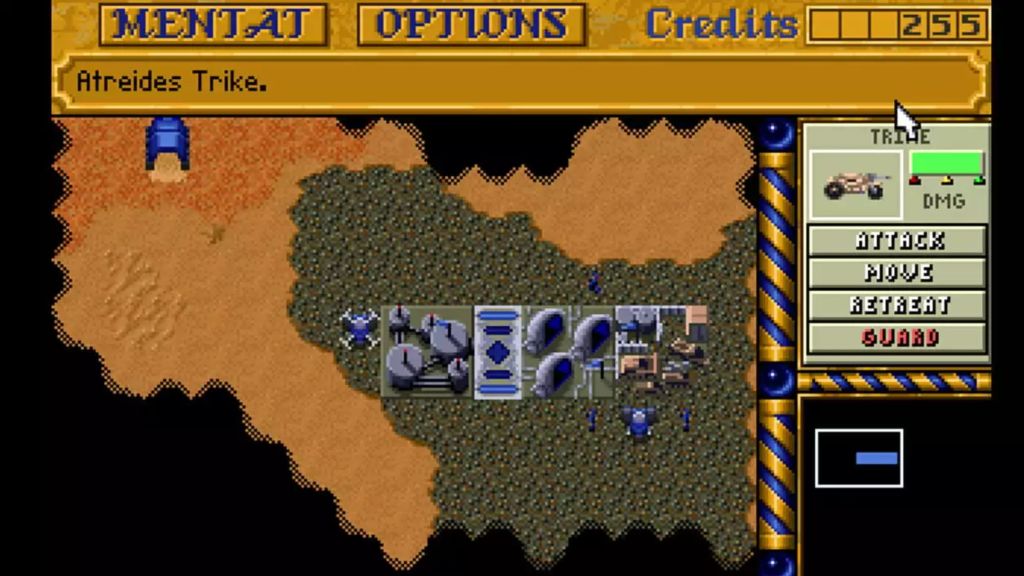
Another big change that arrived with Dune 2 and became integral is the selection of different factions. In the game, choosing your alliance would grant access to specific units that other factions cannot build. These days, picking a fation and gaining specific benefits (and drawbacks) from it is a staple. Warcraft’s factions are based largely around character races, rather than noble houses, but the concept of giving them specific units and abilities originated with Dune 2.
In addition to these two core elements, many other modern gameplay mechanics are still influenced by concepts introduced in Dune 2. The notion of gathering resources to construct new units first appeared in this game, as did mobile units that can be deployed as buildings. And the branching technology tree from Age of Empires, where you slowly unlock new units, buildings, and available technology? This, too, was largely inspired by the building process in Dune 2.
With how much it influenced what we think of with RTS today, Dune 2 isn’t as well remembered as it should be. More recent iterations on the concept have become more popular and eclipsed the predecessor. After all, Age of Empires continues to put out new games with modern graphics and mechanics, and newcomers like Tempest Rising continue to add new options for RTS fans. By comparison, Dune 2 is near impossible to revisit today, and therefore easily forgotten. And yet, the game’s legacy lives on in most modern RTS games to this day.
Want to stay up to date on the biggest geek entertainment news? Add us as a preferred source in Google – HERE.
Most Viewed
-

©Toshiaki Iwashiro,Shueisha/PSYREN Secret Society -

image courtesy of Warner Bros. -
Ian McKellan as Gandalf in The Lord of the Rings.