There is no doubt that Final Fantasy VII is the crown jewel of the series and is praised as one of the best JRPG games of all time. Square Enix has given the title a blank check with which it has since written spin-offs, animated films, and remakes. Sony’s PlayStation gave it an edge over previous games at the time, allowing it to take advantage of cinematic cutscenes, full-motion video, and 3D character models. Final Fantasy VII was revolutionary and remains a household name today. However, there is a secret to Final Fantasy VII’s success that is all too often overlooked.
Videos by ComicBook.com
The uncomfortable truth is that Final Fantasy VI is better than Final Fantasy VII. There, I said it, and I’m not ashamed. Final Fantasy VI, released three years prior on the SNES, laid the groundwork for everything its follow-up would be celebrated for. The world-spanning conflict, a massive cast of characters with deeply personal stories, and even an unforgettable villain. But because of its older hardware, it was overshadowed.
Final Fantasy VI Perfected the Ensemble Cast Formula

Final Fantasy VII’s memorable cast of characters is one of its most celebrated qualities. Cloud Strife, Tifa Lockhart, Aerith Gainsborough, and Sephiroth are icons in the game industry. Each plays a major role in the narrative and even outside the narrative, according to well-known actor Robert Pattinson. However, Final Fantasy VI had already pioneered this ensemble cast and did so with 14 playable characters.
Not all were fully fleshed out, but those that are are so memorable. Terra Branford, Locke Cole, Celes Chere, Cyan Garamonde, Shadow, and the Figaro brothers are all well-developed characters with their own stories within the larger narrative. Terra’s struggle with identity, Locke’s guilt over lost love, Celes’ question of loyalty, and the other arcs are why I love Final Fantasy VI so much. These added an emotional depth rarely seen in video games when it was released.

Cloud is the anchor of Final Fantasy VII, and without him, there can be no story. He is deeply tied to Sephiroth and the narrative, even given Aerith’s importance to the game’s events. But Final Fantasy VI took a riskier approach by spreading the narrative weight across multiple characters. The bold choice of having no definitive main character paid off. Final Fantasy VI’s party dynamics were refined to a smaller cast in Final Fantasy VII, and it wouldn’t have been possible for it to run before Final Fantasy VI walked.
Final Fantasy VI Balanced Epic Stakes With Personal Drama First
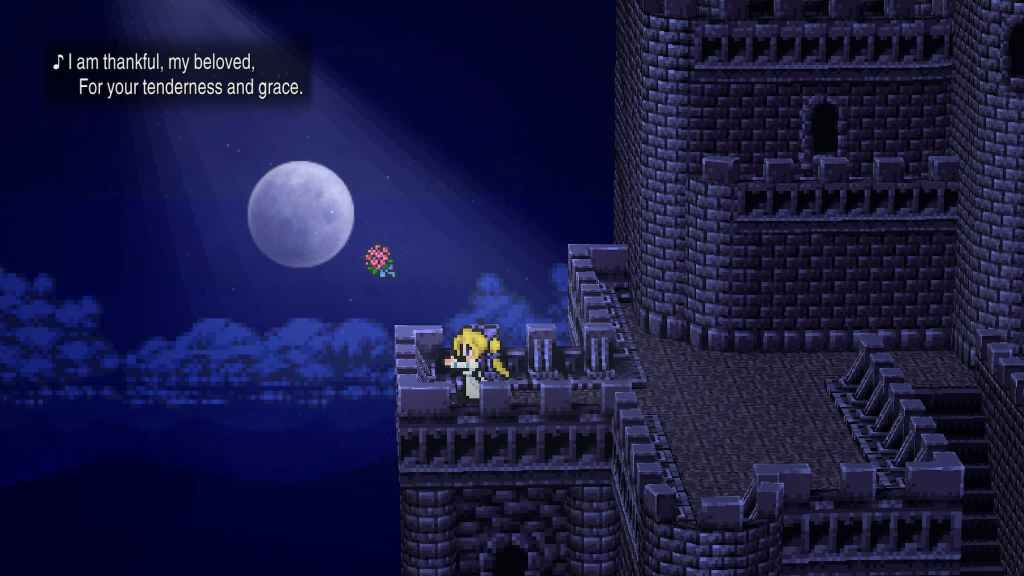
Another praised aspect of Final Fantasy VII is its ability to balance personal stakes with world-saving stakes. Characters aren’t lost in the larger picture. But again, Final Fantasy VI got there first. It combined deeply personal storytelling with the grandiose world-saving plot and even took greater risks than Final Fantasy VII did in doing so.
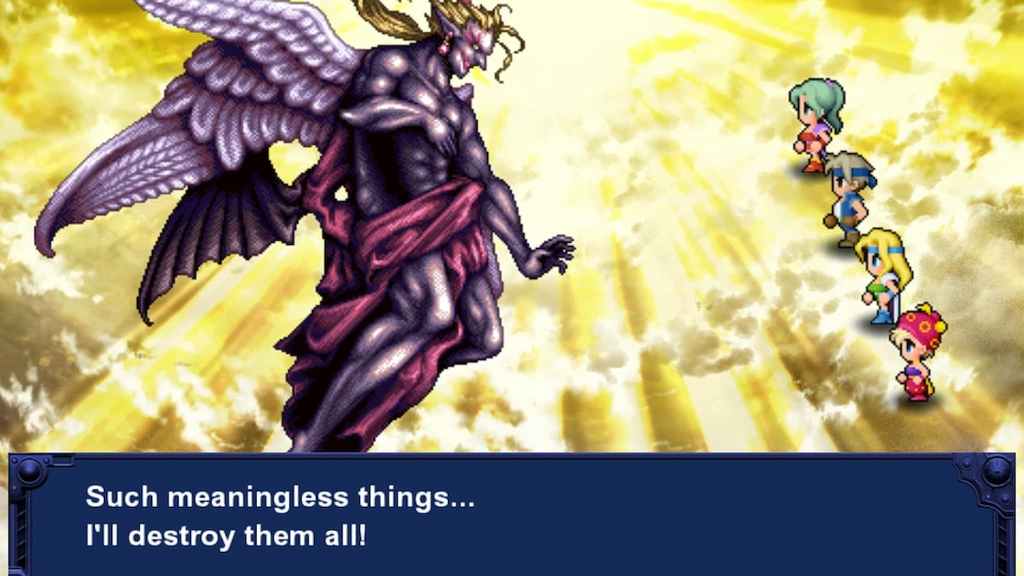
Final Fantasy VI’s central conflict surrounds the empire bent on domination. Following a diverse group of heroes as they took on the empire and ultimately came face-to-face with Kefka was intertwined with the characters’ backstories, goals, and personal struggles. The stakes could not have been higher, especially considering Kefka ultimately wins in a way, yet the story took its time to show these smaller narratives in spite of a world-ending crisis.
Celes, who undergoes a crisis of loyalty, nearly ends her life until she finds comfort among her new companions. Sabin’s journey tells of brotherhood and fighting against tyranny, while Locke overcomes his lost love and finds new connections. These personal beats ground the fantasy of its larger narrative in human emotion.
Final Fantasy VII certainly has its emotional gut punches, but many of these surprises and twists owe their thanks to Final Fantasy VI. Even when constrained by 16-bit technology, Square Enix managed to show the narrative’s impact on all scales and the imagination that could be captured with beautiful sprite work..
Why VI’s Innovation Still Outshines VII’s Flashy Presentation
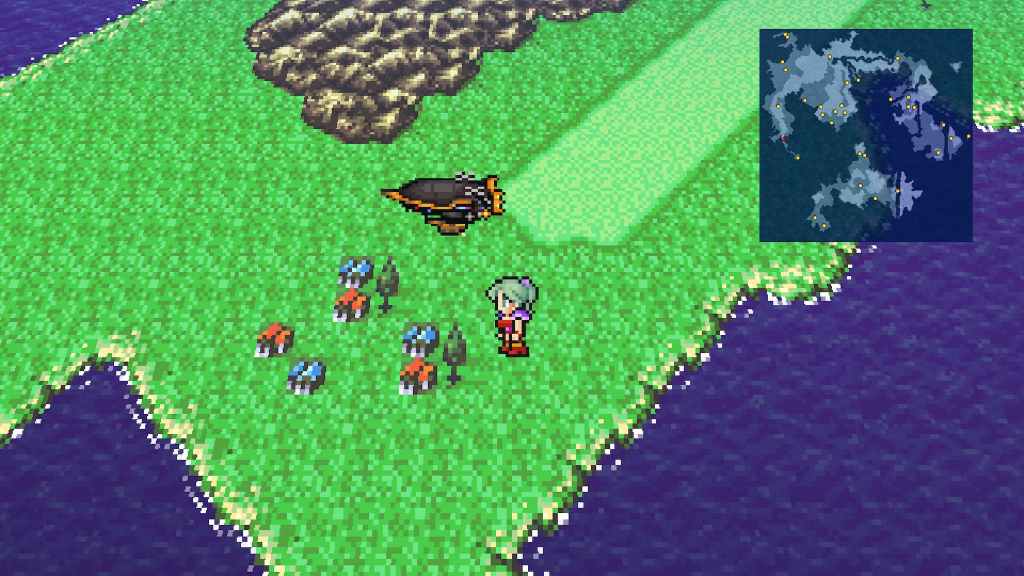
Another major point in Final Fantasy VII’s success was the hardware and technology of its time. It was the first game in the series released on PlayStation and took full advantage of everything it had to offer. 3D polygons, cinematic cutscenes, and so much more helped Final Fantasy VII turn JRPGs mainstream. It even received a huge marketing push to better position it in the West, where JRPGs were still niche.
This advantage of hardware and timing can not be overlooked. I can’t help but wonder what could have happened if Final Fantasy VI had these tools. Instead, it had to tell its story through pixel art, text boxes, and Mode 7 world maps. Cinematic cutscenes were not possible on SNES like on the PlayStation, and this difference in presentation made Final Fantasy VII feel revolutionary despite rehashing what its predecessor had already done.
Looking past the spectacle, Final Fantasy VI’s advancements and risks are plain to see. It was willing to destroy its world halfway through the game, establishing Kefka as one of the most successful villains in the series, and leading to one of the most beautiful tales of redemption and rebuilding. Players could explore the world in a non-linear fashion, exploring the ruined world and rescuing whom they wanted to rescue.
There is no doubt that Final Fantasy VII’s narrative is excellent, both in its smaller beats and grand storytelling. But unlike Final Fantasy VI, it is more straightforward. Compelling as it was, it didn’t carry the same bold choices that put Final Fantasy VI as the better title. If given the same tools and opportunity, I am certain that Final Fantasy VI would come out on top.
Sephiroth May Be Iconic, but Kefka Is Truly Terrifying
Sephiroth is often mentioned among the greatest villains in gaming history. And he deserves his place there. His striking design, haunting theme music, and role in the narrative make him an icon. One particular scene haunts anyone who loves Final Fantasy VII. But, looking deeper, Sephiroth owes a lot of his success to the villain who came before him. One whose name is well-known, but often overshadowed by Sephiroth. This is Final Fantasy VI’s Kefka Palazzo.
Kefka is beyond terrifying when compared to Sephiroth. While Soldier’s former poster boy is menacing thanks to his mystique, power, and desire to torture Cloud mentally. Sephiroth is a tragic character whose villainy can be traced to betrayal and manipulation. But not Kefka, for Final Fantasy VI’s villain is chaos incarnate, and he fully embraces this madness. His lack of rationale is what makes him so frightening and chillingly unique.
He was inspired by DC’s Joker, both in mindset and appearance, another villain often discussed among the best. Players are first introduced to the seemingly unhinged court jester, seemingly more irritating than intimidating. But his unpredictability, willingness to accept evil, and refusal to give up make him dangerous. Throughout the course of Final Fantasy VI, Kefka mentally enslaves Terra, poisons an entire city because his fellow general was taking too long to conquer it, and ultimately destroys the world in his mad pursuit.
Kefka isn’t just evil for evil’s sake. He is single-mindedly focused on what he wants and will do anything to get it. Unfortunately, for everyone else who is ruling the world, Kefka proved he was willing to destroy it to make that happen. Kefka becomes a god and wins, something so few villains do. His mistake, however, was in not eradicating all resistance when remaking the world in his image, allowing the heroes to defeat him in the end. Sephiroth may be iconic, but Kefka embodies a rarer villain, one whose madness reshaped the narrative and left players with a sense of dread.
Final Fantasy VI’s Legacy and Future
None of this is to say Final Fantasy VII isn’t amazing. I loved it just as much as a kid as I do today. It is a landmark title that revolutionized and popularized the JRPG genre. Fans wouldn’t have seen a fraction of the games available today without its release and contributions to the genre. But its reputation has come at the expense of Final Fantasy VI.
Currently, Square Enix is wrapped up in the Final Fantasy VII Remake series, with fans eagerly awaiting the third part. But once this finishes, the future of Final Fantasy is open to anything. Clair Obscur: Expedition 33 showed there is still a market for turn-based JRPGs, and a remake of Final Fantasy VII is the perfect way to capitalize on this realization.
This can be rectified, but Square Enix has to make this happen. Octopath Traveler’s producer, Masaaki Hayasaka, has said he wants to see an HD-2D remake of Final Fantasy VI. While not an official confirmation, it certainly gives fans hope that this legendary title can get the praise it deserves. Even if it doesn’t happen, it’s time to accept that Final Fantasy VI is the true king of the series and acknowledge how much Final Fantasy VII owes to this trailblazer.
Want to stay up to date on the biggest geek entertainment news? Add us as a preferred source in Google – HERE.
Most Viewed
-

Image Courtesy of TOHO -

Image Courtesy of Crunchyroll -
Image Courtesy of Marvel Comics -

Image courtesy of Marvel Studios