Baldur’s Gate 3 is one of the primary reasons for the reignited interest in Dungeons & Dragons. Larian Studios’ RPG is widely considered one of the best games in the industry and successfully revitalized the Baldur’s Gate series while also showing the importance of CRPGs. However, Baldur’s Gate 3 is far from the only successful Dungeons & Dragons game. There is a whole history of games before it that have achieved great success. Of these, Neverwinter Nights is perhaps the most acclaimed and beloved. Despite the sequel failing to achieve the same level of success, the series remains one of the best and deserves just as much love.
Videos by ComicBook.com
The Next Great D&D RPG Should Revive Neverwinter Nights

Neverwinter Nights was launched in 2002, and BioWare opted for a fully 3D engine rather than the isometric games that came before it. It made several advancements and fleshed out the video game world of Dungeons & Dragons like never before. However, despite its accomplishments, it failed to reach the same height and acclaim as Baldur’s Gate. It was criticised for its core campaign, but this was largely fixed with numerous expansions.
What truly made Neverwinter Nights special was its ambition, specifically with the Aurora Toolset. This feature allowed players to not only create characters but also create unique campaigns that could be shared and played with others. Baldur’s Gate 3 has nothing like this, and Larian Studios tried to create something similar in Divinity 2: Original Sin, but it cannot compare to Neverwinter Nights’ creative freedom.
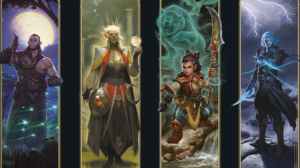
Reviving Neverwinter Nights with a new sequel could bring the D&D metaverse to a modern age. Today’s technology has already shown the appeal of virtual tabletop tools with programs like D&D Beyond, Roll20, and more. Taking what has made Neverwinter Nights successful and combining it with a title like Baldur’s Gate 3 would make it an exceptional RPG and a platform for limitless D&D experiences.
What a Modern Neverwinter Nights Could Learn From Baldur’s Gate 3
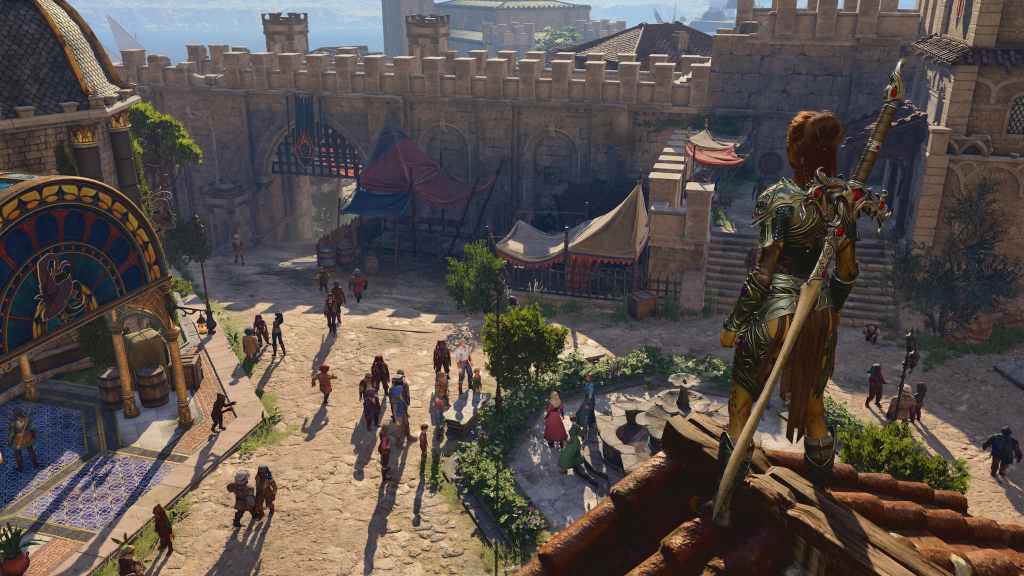
Times have changed, and Baldur’s Gate 3 has not only set the precedent for D&D games but also for RPGs as a whole. Players expect more cinematic storytelling, deeper character interactions, and meaningful choices. Neverwinter Nights’ campaign failed to live up to expectations in comparison. But it could learn from its mistakes and the success of other video games.
A robust single-player campaign and fully voiced characters should be the priority. Branching choices and a reactive world would make these feel impactful and give the narrative a punch that the first title lacked. Adding to these, the iconic multiplayer functionality from Neverwinter Nights would make Neverwinter Nights 3 appeal to the mainstream audience as well as D&D veterans.
Balancing narrative and flexibility is crucial for success. Learning from Baldur’s Gate 3’s storytelling while leaning into player agency is how both series can coexist. Players could enjoy a story-driven adventure and build and share new stories, keeping the game alive for years. This would create a synergy between the developers, who could release official updates, and the community, who would share new, unique worlds, effectively becoming the spiritual successor to both titles.
The Magic of Player-Made Worlds That Baldur’s Gate Can’t Match
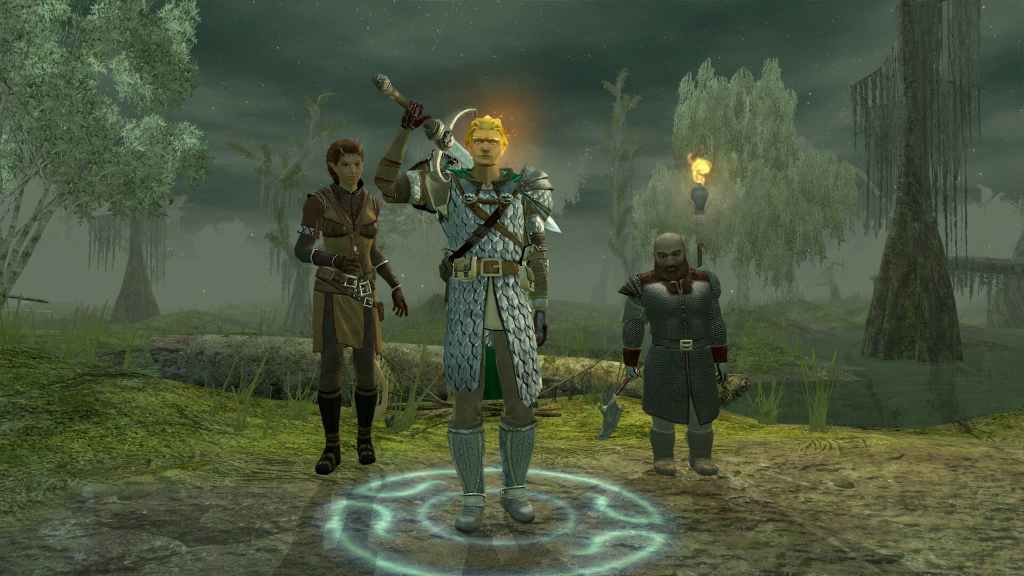
For all its brilliance, Baldur’s Gate 3 is a closed experience. Updates and patches may improve the game, but they don’t expand upon it. New characters and choices can be made for different runs, but the story is still a single narrative. Comparing this to the possibilities shows how Neverwinter Nights’ Aurora Toolset was a marvel of its time, and it can be again.
Not only could fans script new campaigns for players to enjoy solo, but creators made sprawling worlds on dedicated live services. Hundreds of players could be having their own adventures simultaneously on the same world. Custom modules, including unique games and servers where players were effectively playing a MOBA, were available. Players could even travel to other locations in the Forgotten Realms Sigil, the City of Doors. The freedom Neverwinter Nights offered was unprecedented in a D&D game.
Modern tools can completely revolutionize this experience. Proper seamless online hosting, better scripting systems, and higher-quality assets for creators could change D&D forever. Games like Minecraft and Roblox are just some sources of inspiration. Neverwinter Nights 3 could empower players like never before. A revival that takes full advantage of the series’ creativity could let it stand shoulder-to-shoulder with Baldur’s Gate 3.
Baldur’s Gate 3 deserves every bit of its praise. But it’s hard to imagine any studio could do a sequel justice outside of Larian Studios. This is why Neverwinter Nights 3 is the better option. With how old the first two games are, even the recent remaster of Neverwinter Nights 2, a developer effectively has a fresh slate. A new entry in this series would be a dream for D&D veterans like myself, ones who grew up playing online across multiple servers and custom modules.
Most Viewed
-
Image courtesy of Daybreak Game Company -

Image courtesy of MAPPA