It feels like a lifetime ago that we got a new entry into Bethesda’s long-running and beloved Elder Scrolls franchise. While The Elder Scrolls Online continues to chug along quite happily, bringing in new players all the time, there hasn’t been a new mainline game since Skyrim, which, in case you forgot, launched all the way back in 2011. That’s 15 years ago. Of course, Bethesda Game Studios has been working on other projects, predominantly Fallout, so it isn’t exactly like it’s been twiddling its thumbs, raking in money from reselling Skyrim over and over again. Well, not completely anyway.
Videos by ComicBook.com
The studio has also confirmed that development on Skyrim’s successor is well underway, thankfully, although fans can only speculate on just when The Elder Scrolls VI’s release date will be announced, let alone come about. Fortunately, as we all twiddle our own proverbial thumbs awaiting what, for all we know, could be another Starfield disaster, there are a plethora of Scrolls-likes popping up, offering similar experiences akin to those we all knew and loved back in the early 2000s. One such Elder Scrolls-killer, for lack of a better term, is Ardenfall, an open-world RPG that truly looks set to be a true competitor to Bethesda’s beloved franchise.
Ardenfall Is The Indie Answer To The Elder Scrolls
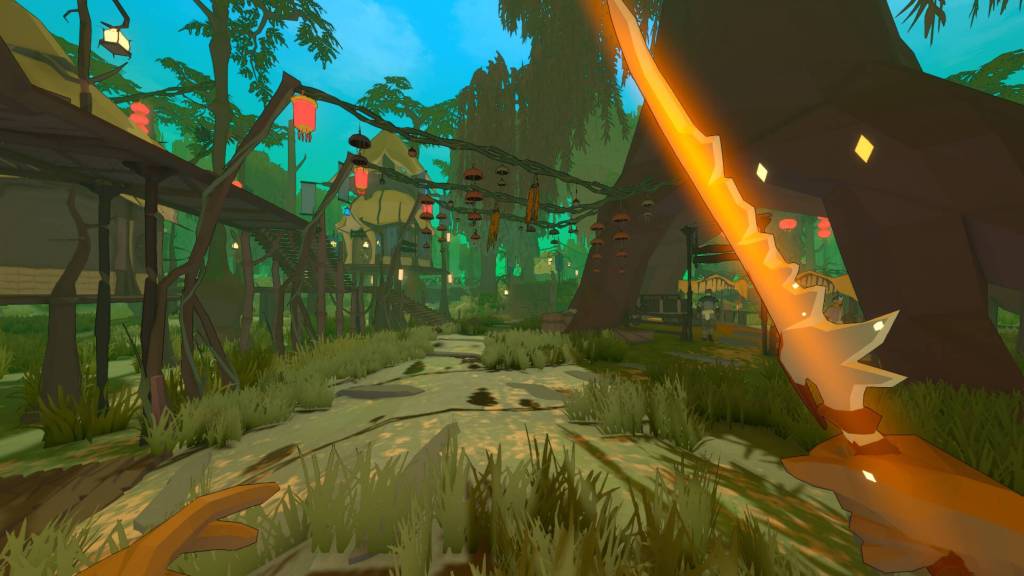
Ardenfall is the debut title from developer Spellcast Studios, a small team dedicated to bringing their own interpretation of the Elder Scrolls formula to life. Frankly, what is on offer here is remarkably impressive; there’s a world genuinely affected by your choices in quests and dialogue, character customization where your race, traits, and more affect how the natives of Ardenfall treat you, hidden treasures buried deep within dungeons, a detailed sprawling open-world with numerous villages and towns, first and third person combat with a range of tools, spells, and weapons at your disposal. When you think of The Elder Scrolls, you really think of exactly what Ardenfall is going for.
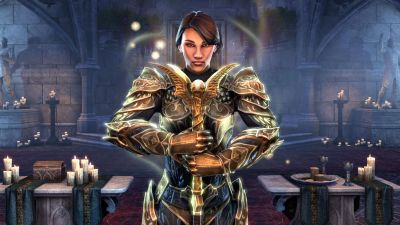
Because The Elder Scrolls, as cliché as this may sound, goes far beyond being a simple stats-based RPG. It is the spirit of the series, the atmosphere created by its immersive landscapes and ethereal ambient soundtrack, the intricate role-playing systems that see every action you take have meaningful consequences, the goofy interactions with characters, bizarre dialogue, and detailed worldbuilding tucked away behind every dungeon door and cave. Ardenfall isn’t just trying to be another first-person RPG; it wants to emulate the depth and atmosphere afforded by The Elder Scrolls and, up until now, The Elder Scrolls alone.
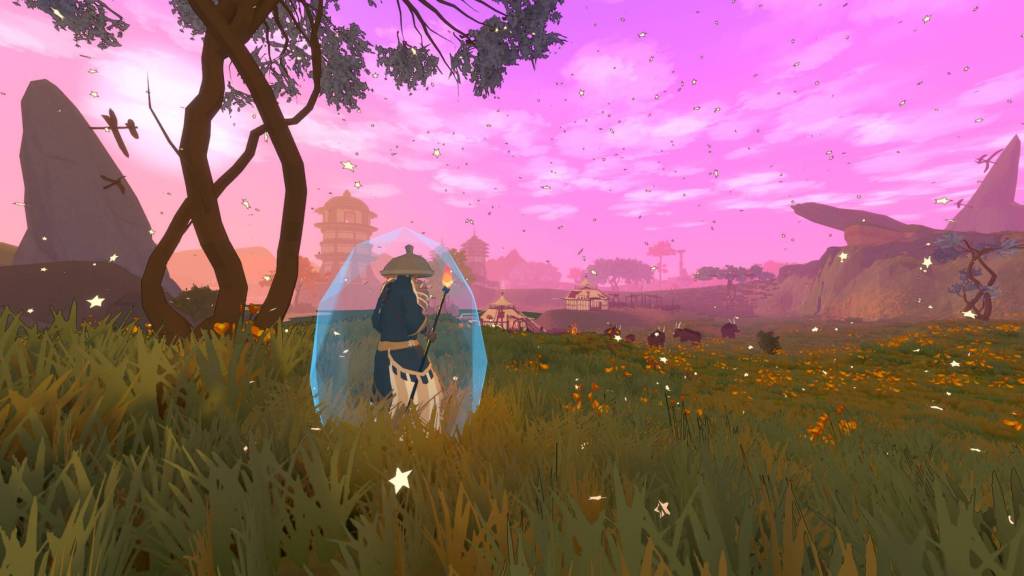
I don’t say this merely from having seen a series of screenshots and trailers. I know Ardenfall is set to be one of the most immersive RPGs of 2026 because of its enormous free demo available on Steam. It offers a pretty detailed insight not just into its exploration, world, and combat, but its dialogue and unique worldbuilding that helps set it apart, both tonally and aesthetically. That sense of magic I experienced the first time I ventured into Skyrim is more than present in Ardenfall; the joy of stepping out into a gorgeous, alien landscape, guided towards the starting town, and immediately becoming engrossed by a whole new world felt simultaneously nostalgic and new.
That’s largely because, while Ardenfall certainly takes inspiration from Morrowind especially, it is very much its own unique experience. The Southeast Asian-inspired theming woven into the world’s architecture, music, character designs, and more helps to differentiate it from The Elder Scrolls’ more medieval European fantasy stylings. Its combat is also significantly better, the overall experience is far less buggy, and it benefits greatly from all the much-needed quality of life improvements modern development affords. Like past Elder Scrolls games, exploration is by far Ardenfall’s strongest suit, its haunting, whimsical, and breathtaking soundtrack on par with even Skyrim’s, perfectly accompanying the stunning vistas rendered in Ardenfall’s unique cell-shaded style. Simply put, Ardenfall scratches that Elder Scrolls itch while still managing to feel distinct and refreshing.
We Need More Games To Replace The Elder Scrolls
For an extremely long time, Bethesda Game Studios was the only developer really offering immersive fantasy-focused experiences on such an immense scale. While Kingdom Come: Deliverance has filled a similar role for historical RPGs, and Baldur’s Gate 3 has perfected the more stats-focused and freeform approach to quest design that RPGs also facilitate, there have still been so few true Scrolls-likes to take The Elder Scrolls place. As a result, Bethesda has sort of monopolized the unique approach it is known for, which is why fans are so frustrated by both the lack of new Elder Scrolls games and the disappointing changes it made to its core design principles with Starfield.
That is why games like Ardenfall are so utterly important, but also why they’re becoming a lot more commonplace now. Spellcast Studio’s debut title isn’t the first Scrolls-like to release in the past five years. Dread Delusion is another Morrowind-inspired indie that sought to replicate the magic those earlier TES games instilled within us all. Tainted Grail: The Fall of Avalon offers an Elder Scrolls-esque experience on a much grander scale than other indies have accomplished, with even its visual style mirroring that of Skyrim. It is clear that those who’ve grown up on Bethesda’s earlier titles have become the indie developers of today and have taken those inspirations to offer their own unique take on the criminally underutilized formula.
Ardenfall marks yet another step closer to The Elder Scrolls not just having a singular competitor (although it more than fills that role) but a whole sub-genre of RPGs inspired by it that can offer both games to play while waiting for TESVI and experiences to push Bethesda to do better. Ardenfall, Dread Delusion, Tainted Grail, and even the beloved Skyrim mod, Enderal, have all offered far superior experiences in one way or another to Bethesda’s own games. They’ve innovated where Bethesda has regressed or stagnated, and showcased how the formula can be improved without diminishing the magic it so uniquely delivers.
This type of friendly competition is required in order to push for innovation in both the niche sub-genre TES inhabits and the wider RPG genre as a whole. Combat design improved significantly thanks to the innovations Dark Souls brought to the table, and the importance of player-led exploration in open-worlds came about as a result of Breath of the Wild’s new ideas. I hope that Bethesda Game Studios looks at indies like Ardenfall for inspiration and sees them as motivation to improve. At the very least, the growing library of Scrolls-likes give us a plethora of amazing games to fall back on when The Elder Scrolls IV inevitably disappoints.
Do you think The Elder Scrolls needs more friendly competition? Leave a comment below and join the conversation now in the ComicBook Forum!
More Gaming
-
Image Courtesy of Electronic Arts -

Courtesy of Blizzard