Almost more than any other modern art form, gaming feels like it is constantly in flux. Due to the way the industry has evolved with the spread of the internet and the rise in indie gaming, some of the old standards have been falling by the wayside. One of the biggest signs of this is in the AAA space, which has always been home to what many players consider “traditionally good” games.
Videos by ComicBook.com
As noted in a recent industry analysis by NewZoo, those games are suffering in terms of sales and playtime with younger generations. Instead, those players reportedly are connecting with indie titles that have less impressive graphics. This has led to the growing sentiment that gamers are moving away from what previous generations saw as the pinnacle of the industry, which might mean some big changes in the future.
Gen-Z Gamers Who Love Roblox And Minecraft Aren’t Connecting With AAA Blockbusters
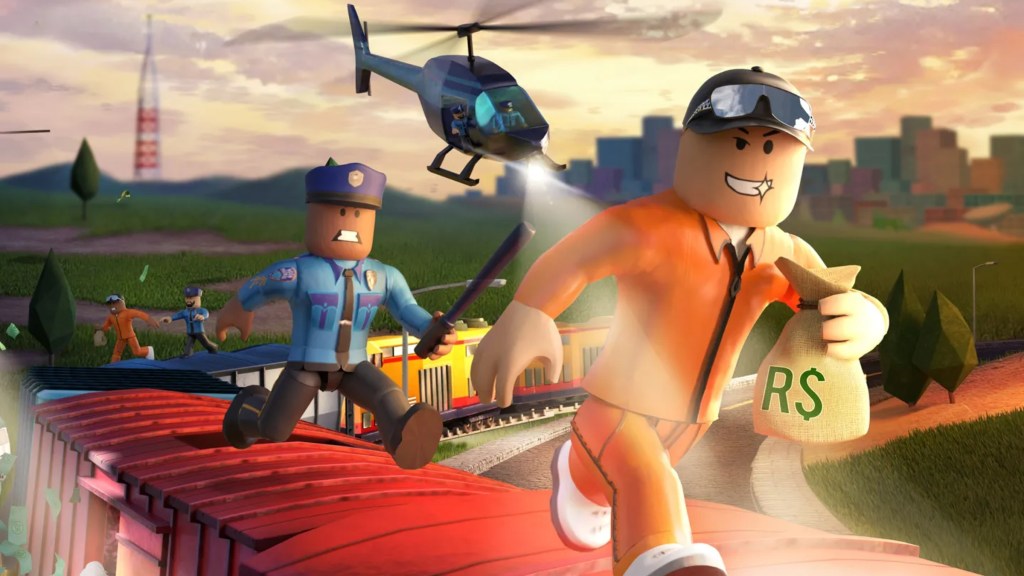
The standard gaming hit is changing, with the traditionally seen sure-fire hits of yesteryear increasingly failing to connect with younger players. NewZoo’s annual report about the state of the gaming industry came with big news, including noting the advances PC gaming has been making in catching up to consoles in the market. One of the other important discoveries has to do with the younger generation of players who are more focused on games like Minecraft and Roblox. According to the reporting, these younger players are also less likely to engage with AAA titles. Especially compared to previous generations, it seems that younger gamers don’t care nearly as much about single-player experiences, realistic graphics, or ultra-powerful game engines as older ones do.
While the success of Roblox and Minecraft speaks to that trend, many of the other biggest hits in modern gaming are multiplayer affairs, whether that be live-service titles like Fortnite or games like Call of Duty. By contrast, some of the least played games by active Roblox and Minecraft players are seen as “traditionally good games,” such as the single-player releases like Clair Obscur: Expedition 33, The Outer Worlds 2, Ghost of Yōtei, Assassin’s Creed Shadow, or Hogwarts Legacy. While there are some exceptions to the rule, like GTA 5‘s enduring popularity, cinematic single-player experiences just aren’t landing as consistently as they once did. It’s a major shift for the industry and could lead to a serious reevaluation of what the biggest releases of any given year are expected to be.
The Next Generation Of Gamers Could Reinvent What Success Means In The Industry

In previous years, blockbuster AAA titles were the ones that drove much of the industry’s success. However, as game development on that scale has grown more expensive, players have been increasingly turning to more low-key experiences for enjoyment. Games like Roblox and Minecraft highlight the importance of creativity and player agency, as opposed to the more straightforward linear adventures that typically make up even the biggest of the industry’s open-world games. The rise in successful indie games underscores this, along with the growing success of PC gaming compared to dedicated consoles that put emphasis on their graphic potential. The report from NewZoo noted that gamers are increasingly turning to the massive indie libraries afforded to them by platforms like Steam, undercutting decades of accepted norms about the industry.
While there’s still clearly a place in the market for realistic graphics and vivid worldbuilding, it’s not the draw that it once was. This is a major factor in why traditional blockbusters have been struggling more and more with modern gamers, to the point where huge hits like Borderlands 4 are considered stumbles, The Outer World 2 is seen as a disappointment by many, and legacy developers like Bungie and BioWare feel more at risk than ever before. With the expansive nature of the industry and the rise in indie titles, it’s possible that success comes to mean something different.
Rather than the mammoth budgets and immersive worlds of previous generations, the next batch of breakout developers will be the ones who find a gameplay mechanic or approach that players can’t stop experimenting with. Even narrative-driven games will likely be impacted by this new approach. Games like Slay the Spire 2 and The Blue Prince might not have the best graphics in the world, but the visuals blend well into the narrative and fit the game surrounding it. As with any ever-changing industry, it’s always possible that the pendulum eventually swings back towards realism being favored over mechanics. However, for now at least, it seems like the traditional winners of the industry need to evolve to keep up with changing tastes.
Most Viewed
-

Image Courtesy of Crunchyroll -

Image Courtesy of TOHO -

Image courtesy of Marvel Studios -
Image Courtesy of Good Shepard Entertainment/Sony Interactive Entertainment