Though James Bond 26 still does not have an official release date, the film has been taking some meaningful steps forward recently. Amazon MGM Studios has confirmed that the search for the next 007 is underway, which will surely be a long and arduous process as thousands of actors audition for the coveted role. Screenwriter Steven Knight has also shed light on his approach, teasing a new origin story for James Bond and hinting that reinvention will be at the heart of the script. Obviously, it’s too early for any plot details to be circulating, but these tiny morsels are encouraging signs for Amazon’s reboot.
Videos by ComicBook.com
If James Bond is to continue to be a viable film franchise over 60 years after the premiere of Dr. No, reinvention is key. It’s vital for each iteration of Bond to feel distinct, standing out from the earlier variations. In that respect, it wouldn’t be surprising if Bond 26 featured some stark contrasts from the Daniel Craig era it’s directly following. That doesn’t just apply to tone or filmmaking styles — that era of James Bond on screen made a crucial error that the Amazon films need to avoid: serialized continuity.
Daniel Craig’s James Bond Continuity Was a Mixed Bag
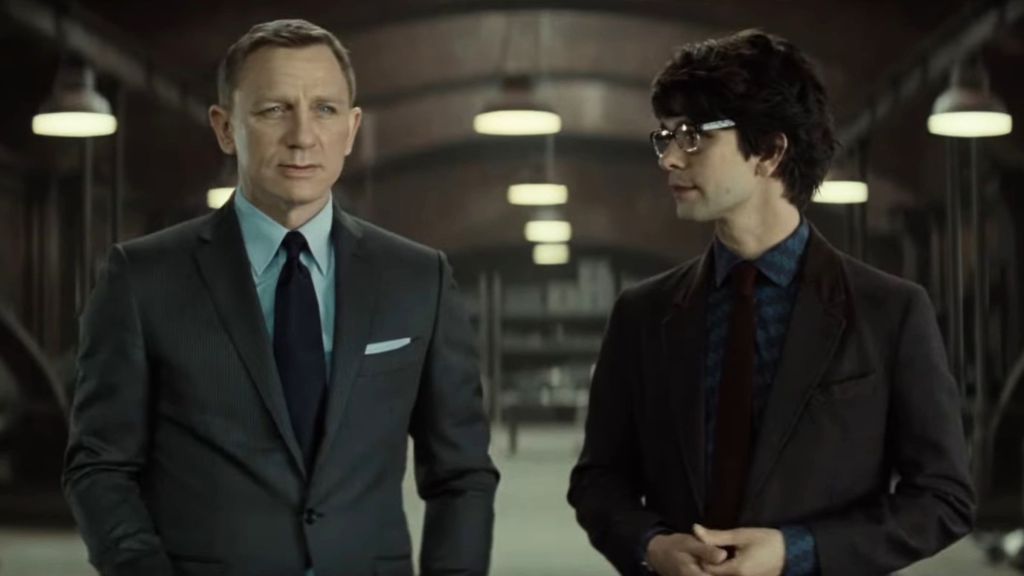
Traditionally, the James Bond film franchise was never really one for continuity. Outside of 007 himself and some key supporting characters, there was very little connective tissue between the movies from a narrative perspective (something Indiana Jones emulated in its original trilogy). That all changed during the Daniel Craig era. Casino Royale was a standalone origin story, but Quantum of Solace did something quite different. It mixed up the formula by being a direct sequel to its predecessor, following up on various storylines and character arcs. It laid the foundation for the serialized storytelling that would come to define Craig’s run. Skyfall was more or less a standalone celebration of Bond’s 50th anniversary, but Spectre and No Time to Die operated as continuations of threads from the previous Craig films.
On paper, this idea was novel and exciting. Since it was something the Bond franchise hadn’t truly experimented yet, it was a way for the Craig movies to stand on their own, offering a comprehensive exploration of James Bond as a character, watching him evolve from brash 00 recruit to a hero willing to sacrifice himself for those he loves. The problem is that the concept wasn’t executed effectively. Rather than feeling organic, connections between the various films came across as forced. For instance, Spectre tried to sell audiences on the notion that Blofeld was the grand puppet master behind everything that had transpired in the previous three films. Making him the author of all of Bond’s pain sounded cool, but it didn’t really add up.

Besides turning Blofeld into Bond’s adoptive brother with a grudge, the biggest issue with this twist is that it retroactively raises major questions about the earlier movies. In Skyfall, villain Silva is clearly a rogue ex-MI6 agent who has a very personal vendetta against Judi Dench’s M. There’s nothing in Skyfall that even implies he’s acting on the behest of an international crime organization. That twist stripped Silva of what made him such a compelling character in the first place. In Skyfall, he was a dark mirror of what Bond could become. After Spectre, he was turned into just another Spectre operative, a reveal that had no real weight to it.
Spectre was released in 2015, when the Marvel Cinematic Universe was ascending to the peak of its popularity. Shared universes were all the rage in Hollywood during that time, and every studio was trying to launch one of its own. Spectre was Eon Productions’ ill-fated attempt to cash in on the craze. Like so many others, the end result was a sense that James Bond was copying Marvel on a surface level, hoping that “it’s all connected!” would be enough to excite audiences. The modest response to Spectre (63% Rotten Tomatoes critics score; 62% audience) suggests it didn’t fully work, and moving forward, Bond would be better-served abandoning any serialized storytelling.
Standalone James Bond Movies Give Directors More Freedom

It is important to keep in mind that the serialized storytelling of the Craig era was not part of the original plan. Due to a copyright dispute and film rights, Eon couldn’t use the Spectre organization or related characters until the matter was resolved in 2013. It’s possible that if the producers had the Spectre rights from the beginning, any connections would have been more naturally baked into the proceedings, making them more effective. Once the rights issue was settled, it was like the filmmakers felt they had to do something with Spectre (given its overall importance to the James Bond IP) and shoehorned it in to an established series — similar to Star Wars: The Rise of Skywalker‘s handling of Palpatine’s return.
Formulating a plan from the jump would likely allow things to operate more smoothly, but it would arguably be smarter to revert back to the classic James Bond method of standalone adventures. Perhaps the most obvious benefit there is that it would give directors more creative freedom, as they could come in and have fun in the 007 sandbox without having to worry about how everything ties together. When serialized storytelling comes into play, there are overarching concerns about tone, narrative, and style so that everything remains fairly consistent with what’s been established. A case can be made that it can box some creatives in because they don’t have maximum leeway to put their own stamp on things.
Currently, Villeneuve is contracted to make just one James Bond film. He could always sign on for more, but after completing an epic Dune trilogy and making Bond 26, he’ll probably want to pass the baton to someone else so he can take a break. If “reinvention” is the key to Amazon’s James Bond reboot, the best way to convey that is to bring in a director who has a completely different style when compared to Villeneuve. It wouldn’t be a reboot from the ground up in the way Bond 26 is, but the next filmmaker should have the opportunity to reinvent Bond in a way that best fits with his or her sensibilities. The best way to accomplish that is to ensure the director that they can just make a classic, standalone James Bond movie that tells its own self-contained story.
The Mission: Impossible franchise was famous for doing this, before Christopher McQuarrie came on board and helmed the final four installments. The first five Mission: Impossible movies were all directed by someone else, and they all felt unique. John Woo brought his signature panache to Mission: Impossible II, while Brad Bird’s background helped turn Mission: Impossible – Ghost Protocol into a highly entertaining thrill ride. All of those films shared some DNA, but each one was afforded the opportunity to be its own thing first and foremost. If Amazon’s James Bond reboot tries to emulate that, it could be very successful, delivering a handful of movies that demonstrate the wide range of what’s possible with 007.
What do you think? Leave a comment below and join the conversation now in the ComicBook Forum!
More Movies
-
Courtesy of Warner Bros. Pictures -

Capcom – Skydance – Legendary Pictures -

Image courtesy of Focus Features