Over the last twenty years, Disney has put out ten new movie franchises: Frozen, Tangled, Encanto, Pirates of the Caribbean, Maleficent, Alice in Wonderland, Lilo & Stitch, Moana, Wreck-It Ralph, and Zootopia. So bit by bit, it started to feel like there’s this endless productivity machine running merchandise, theme parks, and streaming — all perfectly in sync. But if you stop to look closely, it’s not exactly that simple. Sure, Disney produces a lot, but almost none of it is truly new. And by “new,” we mean franchises built from scratch, not relying on nostalgia or acquired universes like the Marvel Cinematic Universe or Star Wars.
Videos by ComicBook.com
The point that once a new movie succeeds, it gets turned into a franchise, and then Disney’s new productions become basically recycling: live-action remakes of animated classics (which has basically become the studio’s norm) and sequels. They are not creating anything anymore. Occasionally, we see another original production, but it has become extremely rare. And why is that? How did Disney, a studio that used to dominate with original franchises, fall so far behind in this area?
Disney Hasn’t Created Any Original Franchises In Years

The message is clear: building a franchise from the ground up is risky, since you don’t know if the audience will connect, if it will make money, or if marketing can actually carry the launch. It’s expensive, unpredictable, and a huge amount of work. So historically, Disney has opted for the safe route. Just look at the curiosities: Tomorrowland was a flop, but it was meant to kick off a potential new universe; sci-fi John Carter aimed to build a saga on the scale of Star Wars and Avatar; and The Sorcerer’s Apprentice had hopes of launching a bigger fantasy-focused universe.
So during Bob Iger’s years running the company, the priority was clearly to buy ready-made worlds like Pixar, Marvel, Lucasfilm, and 21st Century Fox and monetize them. If Toy Story, Cars, Monsters, Inc., The Incredibles, and superhero and Jedi productions already have massive, established audiences, it makes sense to bet on those universes. As a result, developing a brand-new idea turned into the exception, not the rule. And this isn’t just about numbers — it’s a strategic choice that also shows how Disney currently views creativity.
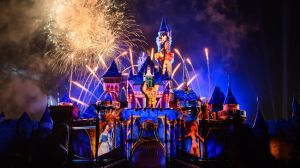
And what is the effect of all this? Anyone who follows movies and pop culture can feel it immediately. Sure, it keeps revenue high, but the sense of novelty and surprise, which is the thing that made Disney a reference point for decades, is gone. Moana and Zootopia are examples of when the studio nails it, but they also highlight just how rare it has become to see something genuinely new. How long have you been hearing about these films? Way too long, right? And it’s sad because the studio that set the standard for family storytelling and franchises like Pirates of the Caribbean now behaves more like a curator than a creator.
So think about it: what will actually be considered iconic in ten or twenty years when people talk about Disney?
How Disney Got So Lost in Innovation

And the irony in all of this is that if the studio keeps betting on what already exists, that’s because it works. When new movies or original franchises don’t hit expectations, the natural move is to play it safe, yet the problem is that while you guarantee profit, you sacrifice innovation. But if Disney wants to get back to what it once was, it needs to embrace risk again — no two ways about it. And that doesn’t just mean funding high-budget animation or live-action films; it means investing in completely new scripts that resonate with audiences, and in strongly developed characters (which is one of the biggest reasons original attempts stumble). Pixar has already proven that fresh ideas can work — look at Inside Out and Coco, for instance.
It could also be that part of the problem comes from the company’s own structure: massive acquisitions, mergers, and the launch of Disney+ shifted production priorities. Now there’s pressure to feed platforms, merchandise, and the box office, creating a conservative environment where executives avoid anything risky. That’s fine short-term, but long-term? It’s the worst-case scenario. So how do you get out of this loop?
The solution isn’t simple, but it exists: balance safety and innovation. How exactly? Disney needs dedicated teams focused on developing original IPs, maybe even with more independent divisions, so every idea doesn’t have to pass a profit guarantee before it exists. That means experimenting with formats, focusing on bolder scripts that connect with new generations, and especially giving chances to stories that aren’t just “safe family hits.”
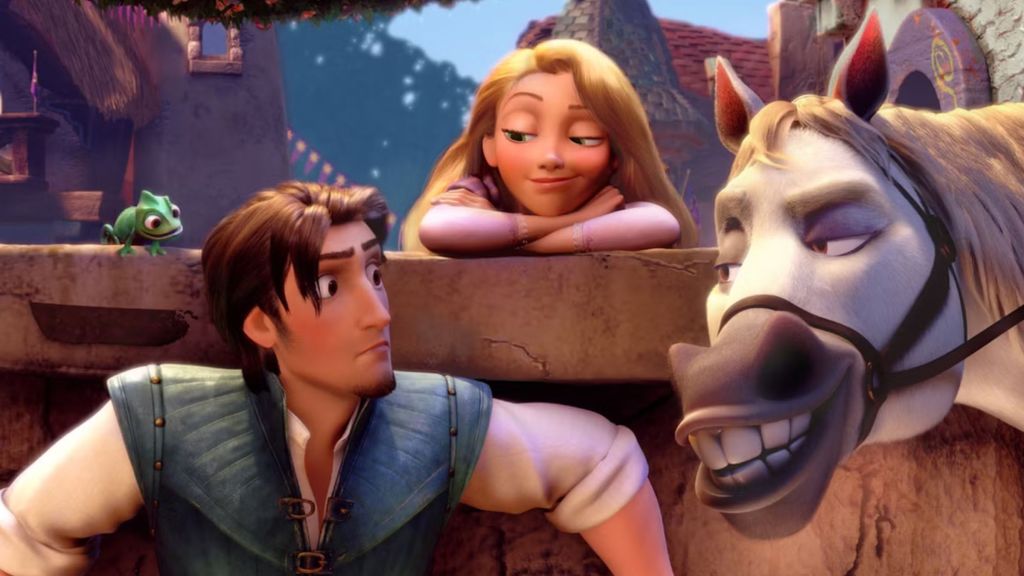
You can see clearly that the studio wants to keep up with the industry and audience trends, but often it seems like they just can’t figure out the formula. The result is that some new movies try to speak to younger audiences or show that Disney is “keeping up,” but they often fail to capture the essence that made the brand what it is. Encanto, for example, works because it hits some of those notes, but there are films that try to be modern and still don’t build a real connection with the audience.
At the end of the day, the studio often seems a bit lost, trying to maintain the “Disney feel” with emotion and wonder, but balancing that with trends and the language of new generations. And yes, it’s a delicate act to hit the sweet spot between tradition and innovation. But it’s a challenge that demands better planning, risk-taking, trust, and persistence, because making something completely original is what turns a studio into a true reference.
If Disney keeps going the way it is, in the future, what older fans have always known as the spirit of Disney and the feeling its productions create will be something newcomers will probably never actually understand. It’s basically the start of a tradition-breaking down.
What do you think? Leave a comment below and join the conversation now in the ComicBook Forum!
Most Viewed
-
Image courtesy of MAPPA -

Image courtesy of Daybreak Game Company