
One of the biggest annual events is CinemaCon, and this year, with several highly anticipated movies on the slate, people were surprised by a number of previews. And when it comes to Dune, its third movie (which will conclude Denis Villeneuve’s cinematic saga) had already been generating buzz from the moment the trailer officially dropped. This is when fans will see how Paul Atreides (Timothée Chalamet) continues as the galaxy’s newest Emperor and the real consequences of being the Lisan al-Gaib. However, theory is one thing and execution is another. So how exactly did Villeneuve build this final chapter of the saga? That’s where the famous convention comes into play, since the first seven minutes of the film were screened.
Videos by ComicBook.com
Basically, instead of continuing to sell the movie as the next big sci-fi epic, Warner Bros. decided to show that the idea behind Dune: Part Three is to throw the audience straight into chaos. And according to reports from in-person coverage, the opening alone was enough to trigger an overwhelming reaction from viewers. And to give a better sense of what level we’re talking about here, a very specific comparison is being made to a Steven Spielberg masterpiece. Let’s break that down next.
Dune: Part Three Preview Draws Comparisons to Saving Private Ryan
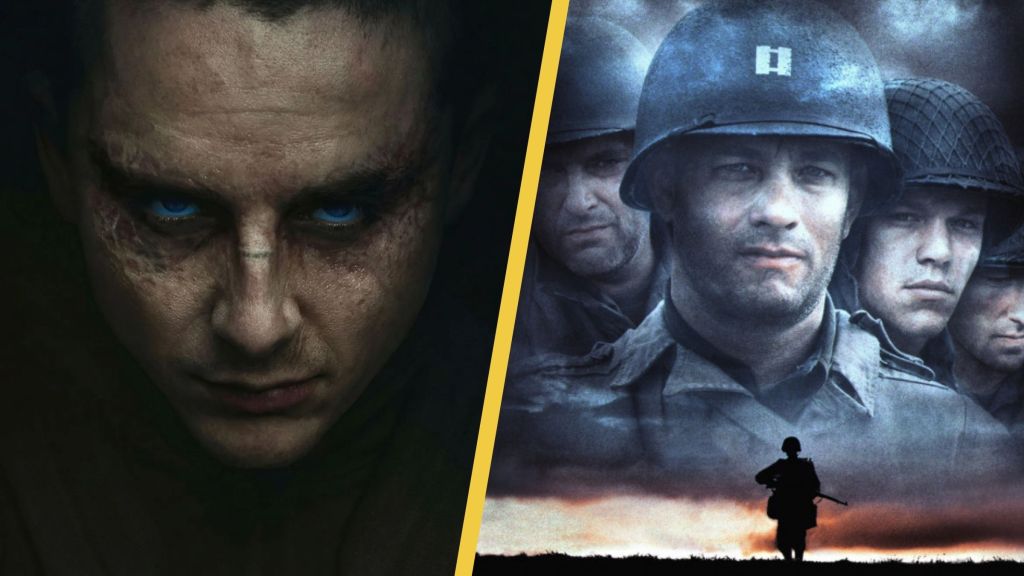
Watching the franchise so far, it’s easy to have an idea of what Villeneuve is capable of, right? So when the third film was announced, expectations were already high because the scale was obviously going to get bigger. The thing is, based on the footage shown from the opening minutes, the goal doesn’t seem to be doing that just for the sake of it. Let’s not forget that Dune: Part Two was already massive, so if Villeneuve just wanted to recreate the same impact, he could’ve gone with the obvious formula: more desert, more sandworms, more explosions, and more Hans Zimmer-level sound shaking the entire theater. But now it looks like the intention is pointing in a different direction — one that’s far riskier and a lot more interesting.
Saving Private Ryan has been brought up by multiple people as a direct comparison because of the raw, violent war feeling, without that “movie-like” polish. The camera stays locked in on the characters, people die fast and horribly, and there’s an immediate sense that the situation has completely spiraled out of control from the very first second. The ending of Dune: Part Two already suggests the Holy War is about to begin, and it’s honestly incredible that the very first sequence of the sequel starts right there, establishing that this is no longer Arrakis, but a war on a galactic scale. It hits hard right away.
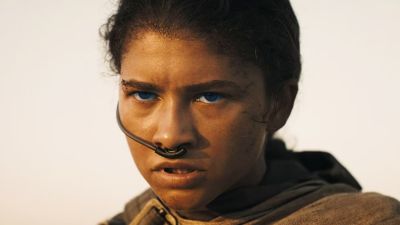
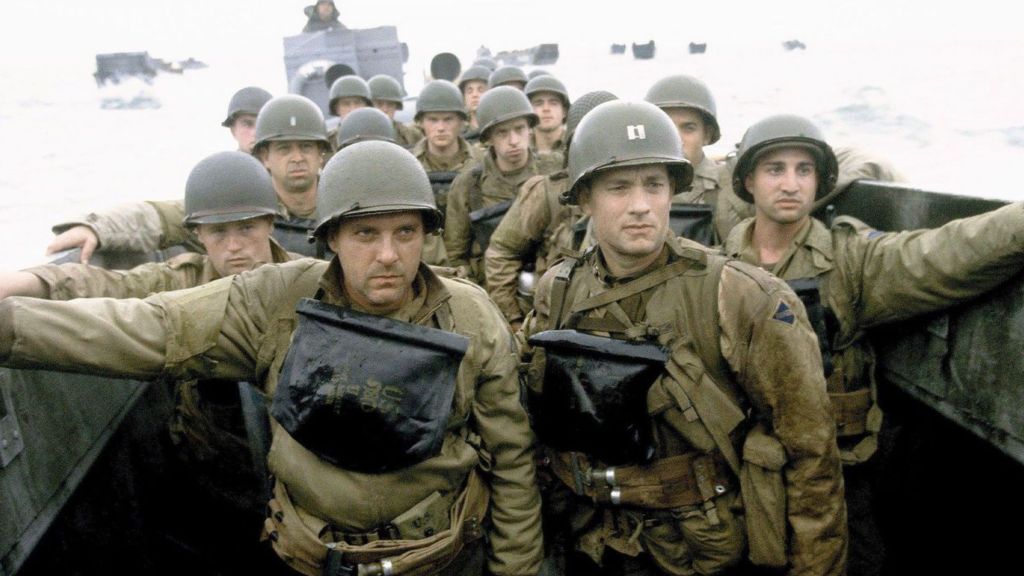
Spielberg’s movie opens with the Normandy landing at Omaha Beach. That opening battle sequence is still remembered to this day because it puts the audience directly inside the battlefield, with sound, camera movement, and pacing that make everything feel dirty, brutal, and unpredictable. For a 1998 production, it had a historic impact on cinema because it wasn’t just critically praised; it redefined what a war movie could do. It’s a sequence that influenced dozens of later films to the point where directors and historians have openly said that much of what came after copied the style Spielberg pioneered.
Now imagine that exact same approach, but happening in space, with ships cutting through a storm, soldiers landing under rainfall, and then suddenly being hit by an attack that incinerates troops out of nowhere. That’s what makes Dune: Part Three feel even more epic than anyone expected, because there’s no romanticizing it; it’s pure desperation. And that’s the best possible way to open the movie, since it puts the viewer in the right mindset immediately: the Holy War is not an adventure, it’s a real tragedy. That’s cinema.
Dune: Part Three Makes a Big Change to Dune Messiah
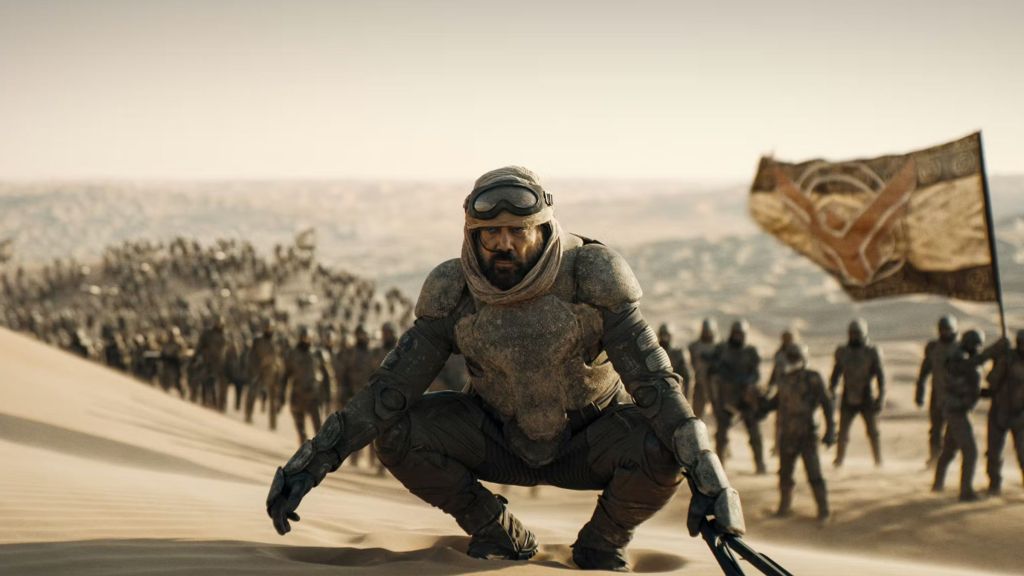
And the biggest point is that making the Holy War this explicit is a huge change compared to the source material, since the second book that Dune: Part Three is based on, Dune Messiah, skips over that most explosive part of the story. But that’s an extremely positive thing. Originally, the war is treated almost like background context to set up the new plot, which is designed to focus on the psychological and political consequences. In literature, that works because the goal is to discuss power rather than show battle. But in a movie, it would be a major problem, as you can’t spend two films building up the idea that Paul is about to trigger a galactic genocide and then, when it finally happens, just cut to “years later.”
Dune Messiah has always been a story about the main character being consumed by what he created, trapped inside a myth, surrounded by people who treat every word he says like sacred scripture. However, the movies have one unavoidable issue: Paul is still seen as a cool protagonist by a lot of people (especially after Dune: Part Two). But that isn’t the audience’s fault — in general, cinema has this habit of turning any powerful figure into an icon, even when the script is clearly trying to say the opposite. It’s almost inevitable. So what’s the best way to fix that? Show what Paul’s religion actually does in practice: show the bodies, show the terror, show fanaticism in motion.
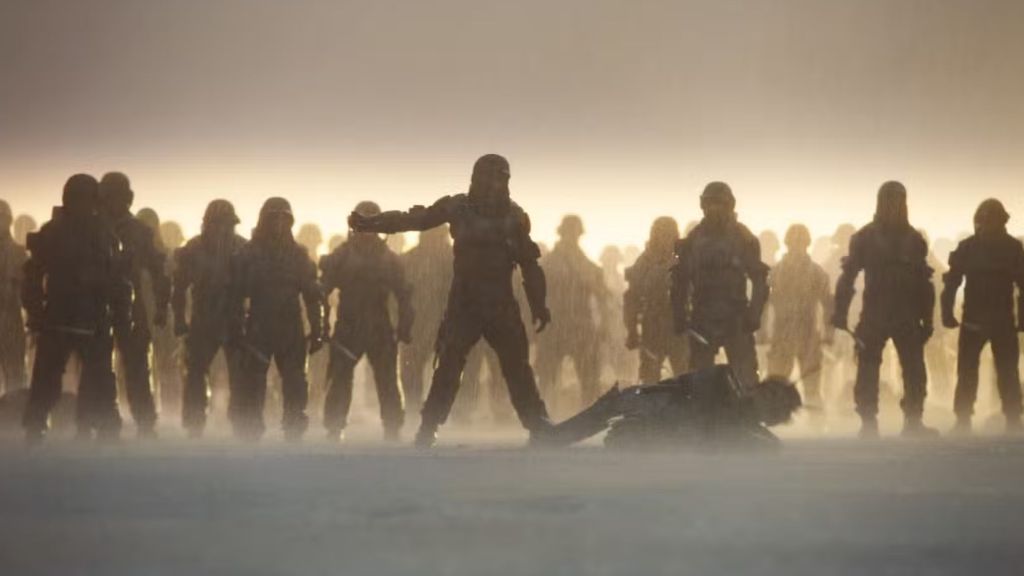
If Villeneuve keeps that tone from start to finish, Dune: Part Three has everything it needs to become the most uncomfortable movie in the franchise — and that’s a compliment. If it opens by echoing Saving Private Ryan, it’s to make it crystal clear that this war isn’t going to be pretty, and that we’re about to see a “Chosen One” arc told properly. There’s no way to romanticize this. The point is to give it real weight, to hit the audience hard, to pull them into the story, and to deliver a true experience of what it means to watch real cinema.
Dune: Part Three hits theaters on December 18.
What do you think? Leave a comment below and join the conversation now in the ComicBook Forum!
