Blockbuster sci-fi franchises have dominated the past decade-plus of Hollywood, but all of them hail from something else entirely. Jurassic World brought the dinosaur-themed series back to life and turned it into a billion-dollar franchise after more than twelve years of nothing, not to mention the continued success of the Marvel Cinematic Universe and the DCU. There have been more than a few original sci-fi movies in that time that have come around and seemed poised to kickstart something new for audiences, like Pacific Rim, with one of the only few success cases being A Quiet Place, which has spawned video games, sequels, and prequels.
Videos by ComicBook.com
Today marks the anniversary of one of the most tragic instances of a franchise that failed to start, though, as eight years saw the debut of Leigh Whannell’s cyberpunk thriller, Upgrade. Starring Logan Marshall-Green, Upgrade arrived with an immediately distinct narrative and an all-new world that was ripe for exploration. Despite major critical acclaim upon its debut, though, and Whannell himself having extensive experience working on franchises, Upgrade was a one-and-done affair, but in a just world we would be talking about Upgrade 3 or 4 by now.

Upgrade Already Had the World of a Sci-Fi Franchise
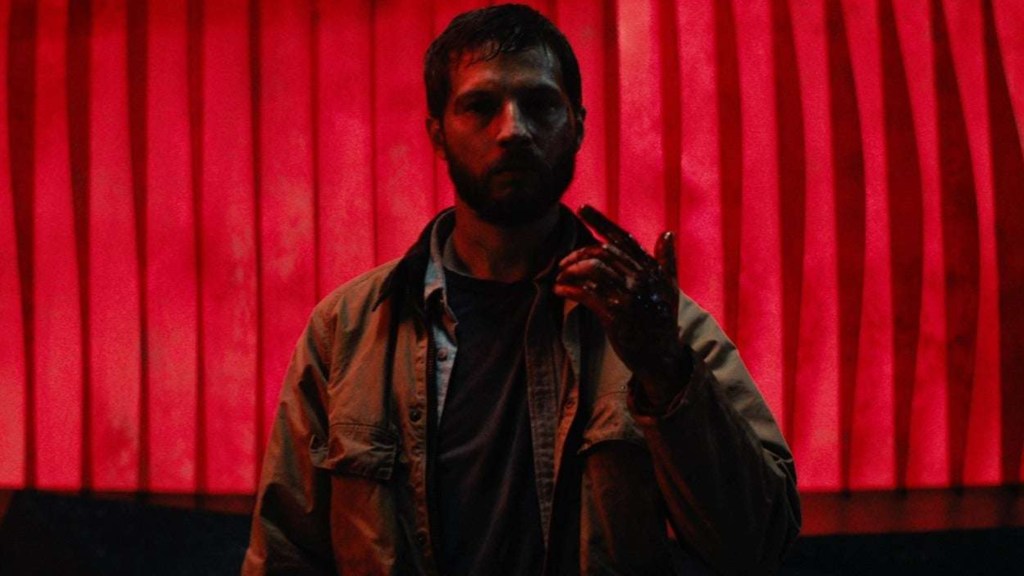
Upgrade begins in 2046, in a world where machine augmentations of the human body are so common that there are multiple companies that work to get it done (plus, a robust black market that offers cheaper alternatives). Not only that, but the future has self-driving cars, autonomous police drones, and plenty of other technologies that seemed exotic at the time but now would barely make the front page of a news website. Central to the story, though, is Logan Marshall-Green’s Grey, an automechanic who is left paralyzed after an attack that also kills his wife. Grey eventually agrees to be augmented with “STEM,” an implant that gives him the full function of his body again, but also something of an AI assistant that he can hear in his mind.
Not content with the lack of justice surrounding the death of his wife, Grey looks for answers on his own, with STEM sometimes helping by taking full control of his body and using Grey as a weapon. STEM, however, is not as benevolent as one might immediately think, with the help that he “offers” Grey later revealed to be just a stepping stone in the autonomous technology’s larger plan. We dare not ruin the ending, and though it does take the story to a logical endpoint, there’s clearly still room for more, even just something set in the same world.
In the end, Upgrade is a wild action-thriller that checks off some major boxes for genre fans. Not only does it have a fully realized world for plenty of stories, but it lays out distinct breadcrumbs for other narratives that are worth exploring. What’s the deal with all of the other companies creating augmentations for people and the rivalries they may have? How does the black market of “upgrades” work and what limits does it have? On top of the moral quandaries around technology that it poses and the narrative threads it creates, Upgrade has bone-breaking action scenes that push the limits of the genre (and make it distinct from films exploring similar themes)
Upgrade’s Future Was Derailed
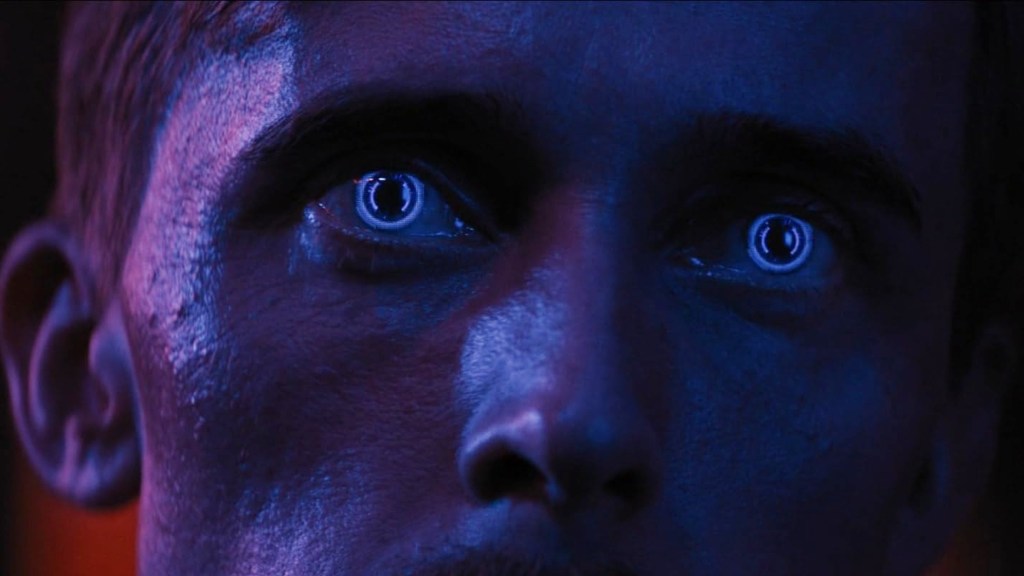
Thinking about Upgrade‘s world, now, it’s amazing how prescient it really is given the way artificial intelligence has not only expanded in the cultural consciousness but become a part of everyday life. We may not have arrived at the levels of a “STEM” just yet, but self-driving cars are here, and AI assistants are becoming more common than ever. As a result, the real world is catching up to the world of Upgrade faster than a follow-up to the film can manifest. So, what happened?
Produced on a budget of $3 million, Upgrade would go on to make $17 million, a healthy profit but not exactly the kind of hit that has Hollywood breaking down the doors for even more. Despite this, there was still talk of it happening. Though Leigh Whannell noted ahead of Upgrade‘s release that he wrote it as a standalone film without plans for a follow-up, the potential was clearly still there. Speaking in an interview with Fandom in 2020, Whannell noted that he didn’t think it would happen thanks to the money conversation, but that he “loved making that film” and would like to make a sequel (“With a bit more money.”)
As of February 2020, perhaps the last normal month on record, Jason Blum himself noted he wouldn’t put the kibosh on a sequel to Upgrade, adding it was on his mind despite no real plans. In May of that year, a time when everyone knows that things were normal, plans were officially confirmed that Upgrade would be getting a television series, expanding on the world and set years after the events of the film. Whannell, the architect who built the foundation of the Saw and Insidious movies, was poised to have his third franchise.
The trouble, of course, is that it never happened. Not only did the Upgrade TV series just slowly disappear like so many other announced projects in Hollywood (especially ones announced in 2020), but there’s been no talk at all about what happened to it, what else might be going on, or even what the plan could be for the future. It’s a shame, really, in a world that is shaping itself to be not-too-distant from the one Upgrade already created, that we couldn’t get an original franchise that was riffing on our reality in a satisfying way.
As noted, though, today marks eight years since we got a taste of what Upgrade could offer the world, and it seems like the powers that be have fully moved on too. That said, we’re approaching the point where a reboot could be fashionable. Hopefully it finally comes before STEM itself is real, though.
More Movies
-

Image Courtesy of Marvel -

Image Courtesy of Cinedigm