Over the last decade, Thor ( Chris Hemsworth) has navigated a turbulent cinematic trajectory, transitioning from the Shakespearean gravity of his first solo outings to the vibrant, improvisational energy introduced in later phases of the Marvel Cinematic Universe. Despite the inconsistent critical reception of most of his movies, Thor has remained at the core of the franchise, thanks in large part to Hemsworth’s definitive take on the God of Thunder. That’s because the star balances the physical requirements of an action lead with a sophisticated understanding of the character’s inherent tragedy, a mix that continues to resonate with audiences. Unsurprisingly, Thor is a foundational pillar for Marvel Studios, with the marketing strategy for Avengers: Doomsday highlighting the return of the Asgardian.
Videos by ComicBook.com
In the past year, many rumors have suggested that the events of Avengers: Doomsday would provide a definitive end for Hemsworth’s Thor in the MCU. However, the actor recently addressed these concerns during an appearance on the Smartless podcast, confirming that his tenure in the MCU will continue for “a couple more times” beyond the current multiversal crisis. This confirmation suggests that Marvel Studios and Kevin Feige already have plans for the hero after Avengers: Secret Wars resets the Sacred Timeline. While the studio has already adapted landmark events like Ragnarok and The Mighty Thor, Marvel Comics features several essential Thor-focused arcs that have yet to be realized on the big screen.
3) Thor: Ages of Thunder
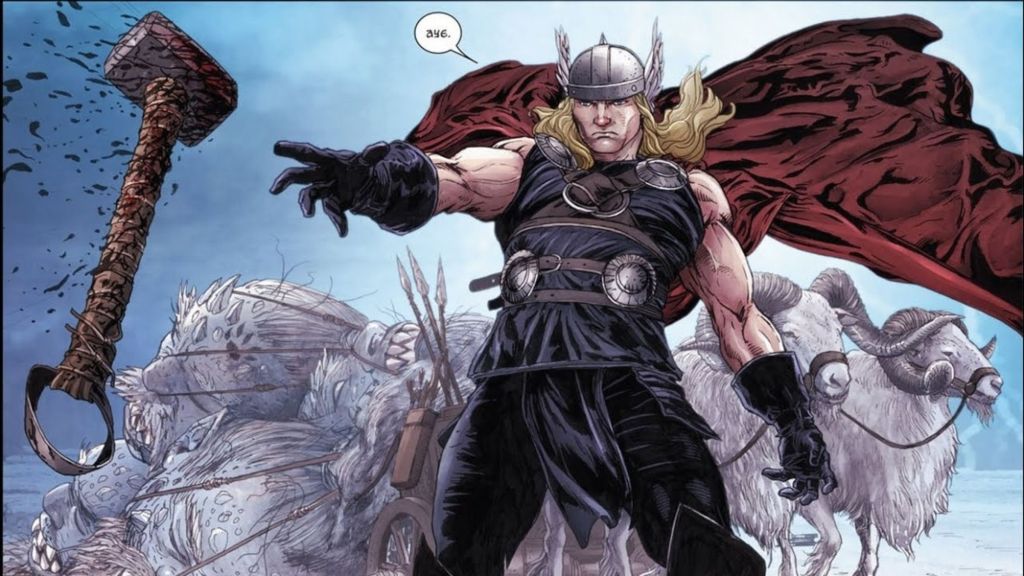
Written by Matt Fraction and illustrated primarily by Patrick Zircher and Khari Evans, Thor: Ages of Thunder kicked off a series of one-shots that delved deeper into Asgardian history. Unlike the more heroic version of the character seen in mainstream continuity, this narrative depicts Thor as an arrogant titan who frequently rebels against the commands of the All-Father, Odin. The collection, which also includes classics such as Thor: Reign of Blood and Thor: Man of War, focuses on the cyclical nature of Asgardian existence and the heavy burden of godhood across eons of warfare. This specific run is also significant for its emphasis on the raw power and terrifying nature of the Norse gods, presenting Thor as a force of nature rather than a simple superhero.

For an MCU audience that is accustomed to a gentler hero, adapting the Ages of Thunder stories could provide the “drastically different” tone that Chris Hemsworth has publicly expressed interest in exploring. By focusing on the darker origins of the Aesir-Vanir wars or the repetitive struggles against the Frost Giants, the studio could do something fresh with the character without worrying about current continuity.
2) Fear Itself
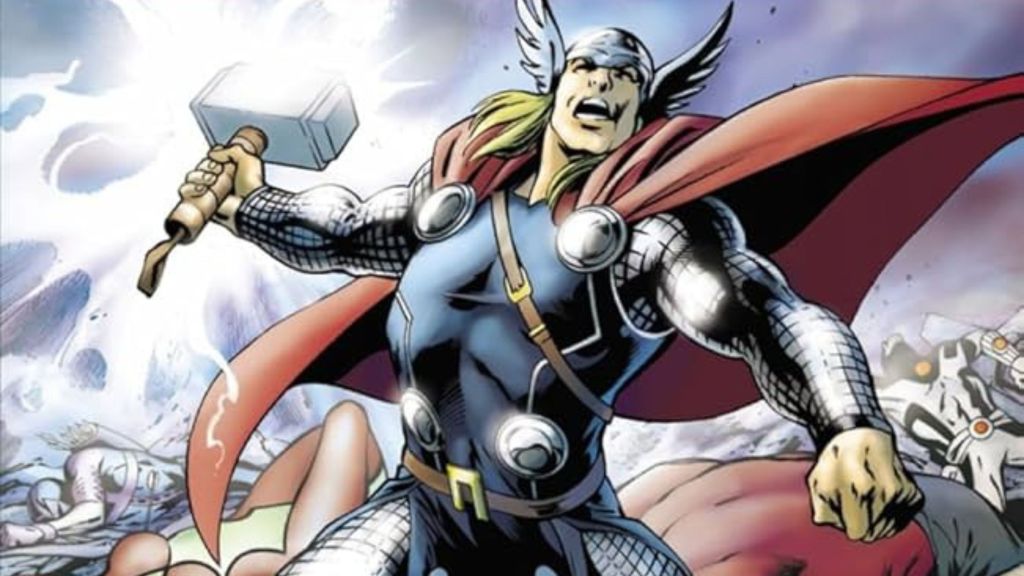
The 2011 crossover event Fear Itself, created by writer Matt Fraction and artist Stuart Immonen, remains one of the most high-stakes confrontations in Thor’s history. The narrative centers on the awakening of the Serpent, the long-forgotten brother of Odin and the true Asgardian God of Fear, who was imprisoned centuries earlier. Upon his return, the Serpent distributes enchanted hammers across the globe, transforming several Marvel heroes and villains into “The Worthy,” terrifying avatars who feed on the worldwide panic generated by their destruction.
Fear Itself is vital for the God of Thunder because it forces him to confront a familial darkness that predates his own birth, challenging the legitimacy of Odin’s reign and the stability of the World Tree. In the context of the current MCU, Fear Itself also offers a perfect opportunity to introduce a more serious tone to the franchise, utilizing the concept of primordial fear as a biological and spiritual threat. Finally, the potential for the God of Thunder to face off against an ancient uncle provides a personal emotional anchor while escalating the conflict to an extinction-level event for Earth and Asgard alike.
1) Siege
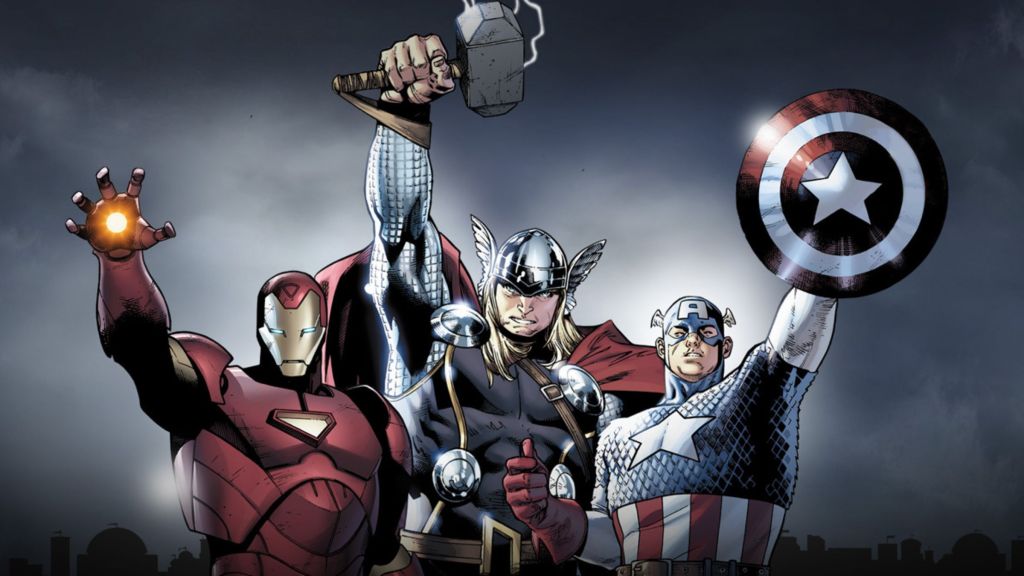
Published in 2010 as the climactic conclusion to the “Dark Reign” era, Siege depicts the violent intersection of terrestrial politics and cosmic divinity. Written by Brian Michael Bendis and illustrated by Olivier Coipel, the story follows Norman Osborn and his team of Dark Avengers as they launch a full-scale military assault on Asgard, which at the time was hovering as a sovereign city above the rural town of Broxton, Oklahoma. This event was orchestrated by Loki, who used Osborn’s instability to trigger a conflict that would eliminate the Asgardians as a perceived national security threat.
Siege is an essential story because it treats the gods as refugees seeking a place in the modern world, highlighting the friction between human law and divine presence. For the MCU, this adaptation could serve as the ultimate resolution for the New Asgard storyline, transitioning the realm from a small fishing village into a target for global powers. The narrative also features the terrifying intervention of the Sentry and the Void, providing the God of Thunder with a physical adversary capable of matching his most devastating lightning strikes.
Which classic Thor-centered comic book arc do you think the MCU should adapt next? Leave a comment below and join the conversation now in the ComicBook Forum!
Most Viewed
-
Image Courtesy of Netflix -

Images courtesy of CBS and NBC