After a long period dormant, the universe Danny Boyle and Alex Garland created for 28 Days Later is back with a bite. Last year, the franchise saw a critically acclaimed revival with the release of 28 Years Later, which successfully reunited the original creative duo and reminded audiences why the Rage virus remains a uniquely terrifying concept. Now, the momentum continues with the theatrical debut of the sequel, 28 Years Later: The Bone Temple, hitting theaters less than a year after its predecessor. Directed by Nia DaCosta, the new movie revolves around Spike (Alfie Williams) after his fateful encounter with Jimmy (Jack O’Connell). Critical reception for The Bone Temple has been overwhelmingly positive, with many reviewers praising the film for its technical precision and its ability to expand the lore in ways that feel both organic and profoundly unsettling.
Videos by ComicBook.com
While both 28 Days Later and 28 Years Later put unique spins on the zombie subgenre by introducing sprinting infected and zombie pregnancies, The Bone Temple is arguably the most surprising entry in the entire franchise. This installment differentiates itself through an eccentric tonal shift that blends high-stakes horror with moments of surreal tragicomedy. Specifically, the narrative introduces bizarre elements such as the “Jimmys,” a cult of survivors who dress in velour tracksuits and blonde wigs. Most notably, the film utilizes musical numbers to heighten its sense of psychological dissonance. This willingness to embrace the absurd while maintaining a sense of visceral dread makes it a standout production that challenges the traditional boundaries of post-apocalyptic cinema. While unique in its own right, 28 Years Later: The Bone Temple is just the latest in a long line of zombie movies that challenged conventions.
5) Day of the Dead
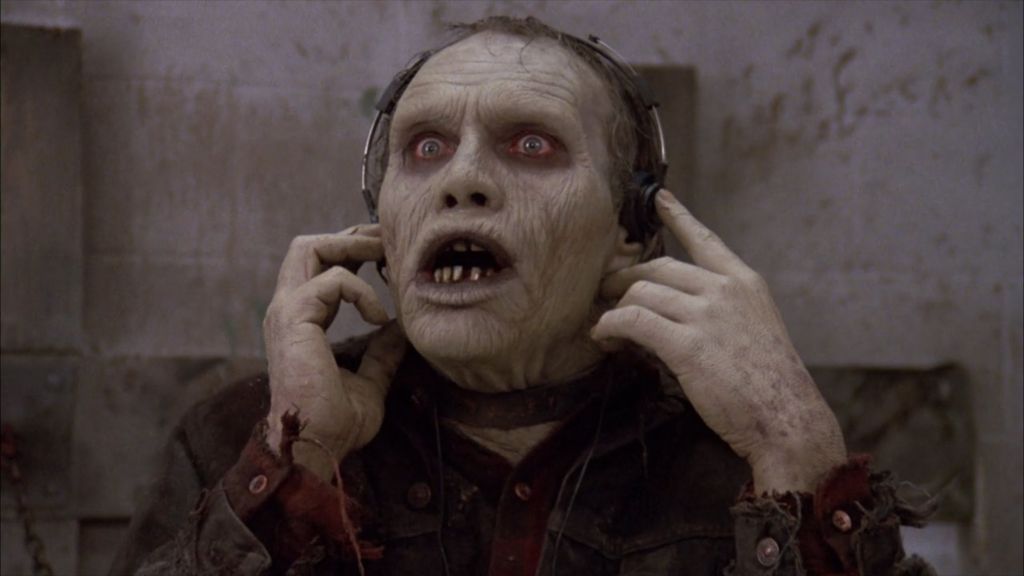
The third entry in George A. Romero’s foundational trilogy remains a masterwork of isolation and psychological collapse. Set primarily in an underground bunker, Day of the Dead shifts the focus from the initial chaos of an outbreak to the internal friction between a desperate scientific team and a militant military unit. This film is unique because it introduces the first instance of a “domesticated” zombie in the form of Bub (Sherman Howard), an undead subject who demonstrates rudimentary memory and emotional capacity. By humanizing the monsters, Romero forced the audience to reconsider the morality of the survivors, suggesting that the true horror lies in the breakdown of communication and empathy among the living. Day of the Dead serves as a precursor to modern stories that explore the evolution of the infected, making it an essential historical text for fans of 28 Years Later: The Bone Temple.

4) The Girl with All the Gifts

Directed by Colm McCarthy and based on the novel by M.R. Carey, The Girl with All the Gifts provides a biological perspective on the zombie apocalypse that is rare for the genre. The story centers on Melanie (Sennia Nanua), a young girl who is a “second-generation” infected, meaning she possesses the hunger of the undead but retains human intelligence and personality. This film also explores the concept of the Ophiocordyceps fungus not just as a plague, but as a symbiotic transition for the planet. Unlike many films that prioritize a “cure” narrative, The Girl with All the Gifts questions the benefits of accepting a new world order where humanity is no longer the dominant species. Its picturesque depiction of a vine-covered London and its focus on the intellectual evolution of the infected mirror the ambitious world-building seen in the latest 28 Years Later chapters.
3) Pontypool
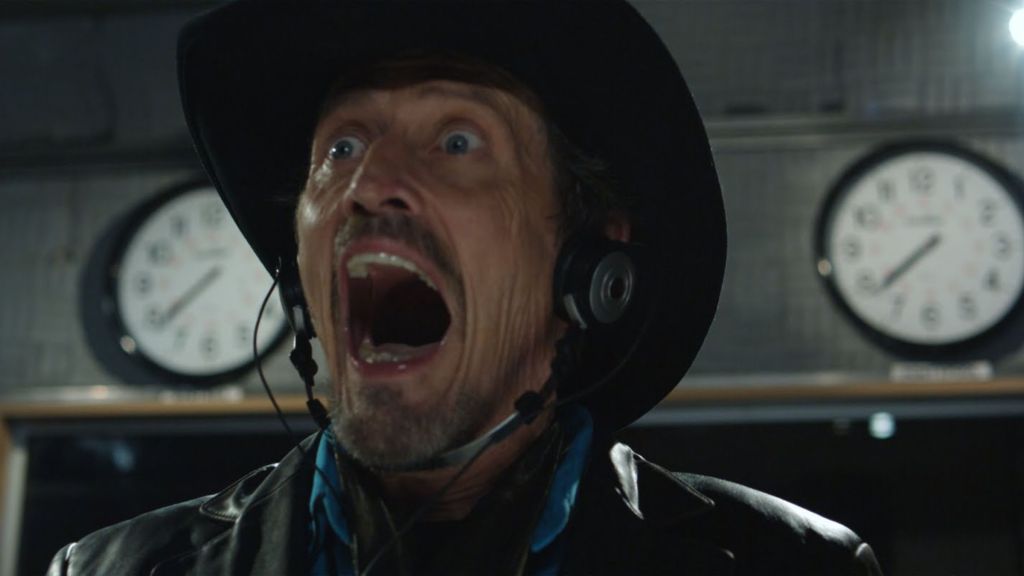
Pontypool is a claustrophobic thriller that entirely subverts the visual tropes of the zombie genre. Directed by Bruce McDonald, the movie takes place almost exclusively inside a radio station during a winter storm, where a shock jock named Grant Mazzy (Stephen McHattie) begins receiving reports of a strange outbreak. The film’s primary innovation is the “language virus,” a concept where the zombie infection is transmitted through specific words and phrases in the English language rather than through physical bites. Because the horror is auditory and psychological, the audience must rely on the frantic descriptions provided by the radio host, creating a sense of dread that is fueled by imagination. By treating language as a weapon and a carrier of madness, Pontypool explores the fragility of human civilization and the ways in which we communicate. This focus on the deconstruction of social norms and the power of sound design makes it a cerebral alternative to traditional action-heavy zombie cinema.
2) Anna and the Apocalypse

Blending the upbeat energy of a high school musical with the graphic violence of a holiday slasher, Anna and the Apocalypse is a genre-bending experiment that thrives on its own tonal contradictions. Directed by John McPhail, the film stars Anna (Ella Hunt) as she attempts to fight her way through a Christmas-themed zombie outbreak in a small Scottish town. The movie utilizes full-scale musical numbers to express the teenage angst and aspirations of its characters, creating a jarring but effective contrast when these same people are forced to use sharpened candy canes as weapons. This juxtaposition of High School Musical tropes with the grim reality of a survival scenario allows the film to comment on the loss of innocence in a way that feels fresh and sincere. Much like the musical eccentricities of The Bone Temple, Anna and the Apocalypse proves that the zombie genre is capable of supporting wildly different artistic expressions without losing its inherent tension.
1) One Cut of the Dead

One Cut of the Dead is a Japanese phenomenon directed by Shin’ichirō Ueda that rewards viewers who appreciate the mechanics of filmmaking. The movie begins as a seemingly low-budget, 37-minute single-take zombie short that features a director named Higurashi (Takayuki Hamatsu) attempting to film a movie in a haunted location. However, once the credits roll on that initial segment, One Cut of the Dead undergoes a brilliant transformation into a meta-comedy about the chaotic process of independent production. The subsequent acts reveal the behind-the-scenes reality of the first take, showing how the crew improvised through technical failures and personal crises to keep the camera rolling. This layered approach turns a standard horror setup into a triumphant celebration of the creative spirit and the collaborative nature of cinema. By the time the film reaches its conclusion, it has completely recontextualized the initial horror into a heartfelt and hilarious underdog story, making it one of the most inventive films of the last decade.
Which unique zombie movie would you recommend for fans of 28 Years Later: The Bone Temple? Leave a comment below and join the conversation now in the ComicBook Forum!
Most Viewed
-

Official art by Bastien Lecouffe-Deharme -
Image courtesy of Tor Books/Macmillan -
A photo of the Retrovolt Arcade taken in 2017, showing several classic arcade cabinets and stools. -

Courtesy of Saber Interactive -

Courtesy of TOHO Animation