The Snyderverse, comprised of Man of Steel, Batman v Superman: Dawn of Justice, and Zack Snyder’s Justice League, remains one of the most polarizing chapters in the history of superhero cinema. While Zack Snyder established a distinct visual language and a loyal fanbase, the overarching narrative structure of these movies struggled under the weight of a rushed production cycle. In a desperate attempt to replicate the success of the Marvel Cinematic Universe, Warner Bros. forced these films to prioritize massive world-building events over individual character development, resulting in bloated scripts that juggled too many iconic figures at once, often stripping them of the narrative focus required to leave a lasting impact on general audiences. Consequently, several legendary DC heroes and villains were relegated to brief cameos or superficial adaptations that failed to capture the depth of their comic book counterparts.
Videos by ComicBook.com
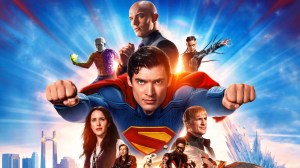
After the slow death of the DC Extended Universe that followed the Snyderverse, James Gunn and Peter Safran are currently building a DCU that prioritizes a character-first approach. By slowing down the timeline and allowing different corners of the universe to mature independently, the new leadership is ensuring that the Justice League’s eventual formation feels earned rather than mandated by a board of directors. This strategy has already proven successful with the release of Superman, which introduced David Corenswet as an iconic Man of Steel while delivering fan-favorite interpretations of Lex Luthor (Nicholas Hoult) and Jimmy Olsen (Skyler Gisondo). Furthermore, the upcoming Mister Miracle television series is set to provide a platform for Darkseid to evolve as a cosmic threat before he ever encounters the world’s finest heroes. As the DCU continues to expand, it should continue to redeem wasted Snyderveser characters.
5) Deathstroke

The treatment of Slade Wilson (Joe Manganiello) is a prime example of the Snyderverse’s tendency to prioritize future teases over immediate storytelling. Deathstroke first appeared in a post-credit scene for Justice League, where he met with Lex Luthor (Jesse Eisenberg) to discuss forming a league of their own. While the character’s visual design was praised for its fidelity to the source material, the mercenary never had the chance to engage in meaningful combat or showcase his tactical brilliance. This waste of potential was exacerbated by the cancellation of Ben Affleck’s standalone Batman project, which would have featured Wilson as the primary antagonist. Furthermore, a planned solo film directed by Gareth Evans was also scrapped, leaving the character’s rich history as an elite military operative completely unexplored.
In the new DCU, Deathstroke deserves to be more than a background player or a cliffhanger reward. As the world’s most formidable assassin, he offers a unique physical and psychological challenge for the Bat-family that justifies a central role in a high-stakes action thriller. Fortunately, there is a Deathstroke and Bane movie in production for the DCU, which could help redeem the villain.
4) Martian Manhunter
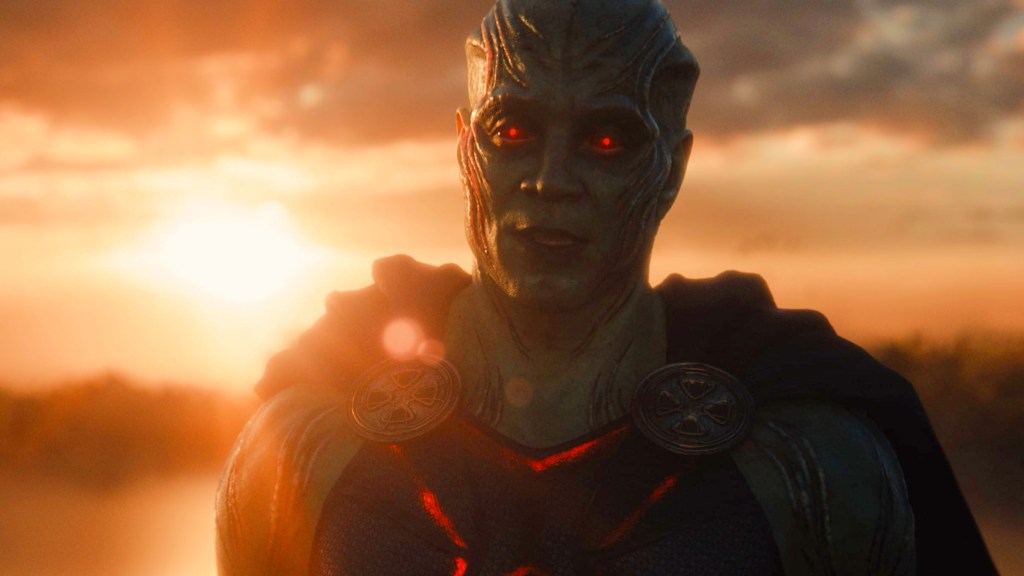
Martian Manhunter spent the majority of the Snyderverse hiding in plain sight as General Swanwick (Harry Lennix), a creative choice that ultimately backfired by making the character feel like a narrative afterthought. While Zack Snyder attempted to retroactively justify the alien’s presence in the epilogue of his director’s cut, the reveal lacked the emotional weight of a true introduction. J’onn J’onzz is a foundational member of the Justice League, yet he played virtually no role in the defense of Earth against Steppenwolf (Ciarán Hinds) or the Kryptonian invasion during Man of Steel.
By keeping the Martian Manhunter on the sidelines for three films, the Snyderverse wasted the opportunity to explore his status as a lonely survivor and a telepathic bridge between humanity and the stars. Even his interaction with Lois Lane (Amy Adams) was revealed to be a mere disguise, stripping the moment of its genuine human connection. A second chance in the DCU should focus on the inherent tragedy of the Martian Manhunter, allowing him to serve as the soulful heart of the new universe rather than a last-minute cameo used to satisfy fan expectations.
3) Barry Allen
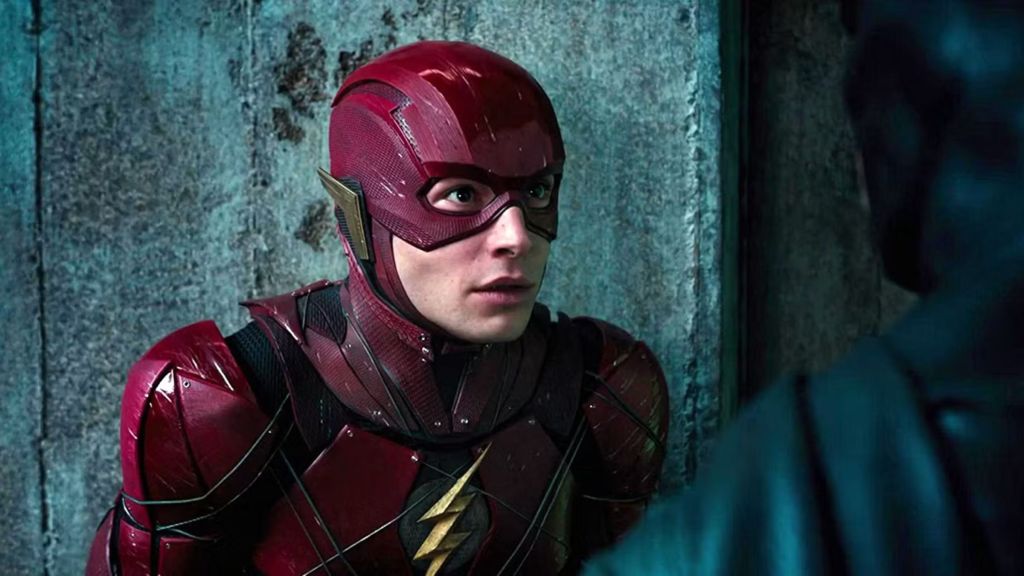
While Barry Allen (Ezra Miller) received significant screentime in both the Snyderverse and his own standalone feature, the characterization drifted too far from the professional competence of the source material. Miller’s iteration of the Flash was often written as a socially inept source of comic relief, possessing a hyperactive energy that felt increasingly grating over the course of the franchise.
The 2023 film The Flash attempted to explore his emotional core through the “Flashpoint” narrative, but the production was hampered by visual effects issues and a tone that struggled to balance slapstick humor with genuine grief. Barry Allen is meant to be a respected forensic scientist and an optimistic leader, yet the DCEU version often felt like a caricature of youth. Gunn’s DCU needs a Flash who embodies the “Fastest Man Alive” with a level of maturity and heroic spirit that was missing from the previous adolescent-themed interpretation.
2) Doomsday

The inclusion of Doomsday in Batman v Superman: Dawn of Justice remains a definitive case of narrative waste, as the production utilized the most dangerous threat in Superman’s history as a generic third-act monster. In the comics, the arrival of the beast is a monumental event that demands a desperate struggle for survival, yet the film version served as little more than to facilitate a rushed death for the Man of Steel (Henry Cavill).
In addition, by transforming General Zod (Michael Shannon) into a mindless, grey monstrosity with no agency or motivation, the script stripped the villain of the existential dread he typically provides. This one-and-done approach prevented the villain from becoming a recurring shadow over the universe, a mistake that the DCU should correct by reintroducing Doomsday as a sentient force of nature with deep ties to Kryptonian biology.
1) Joker
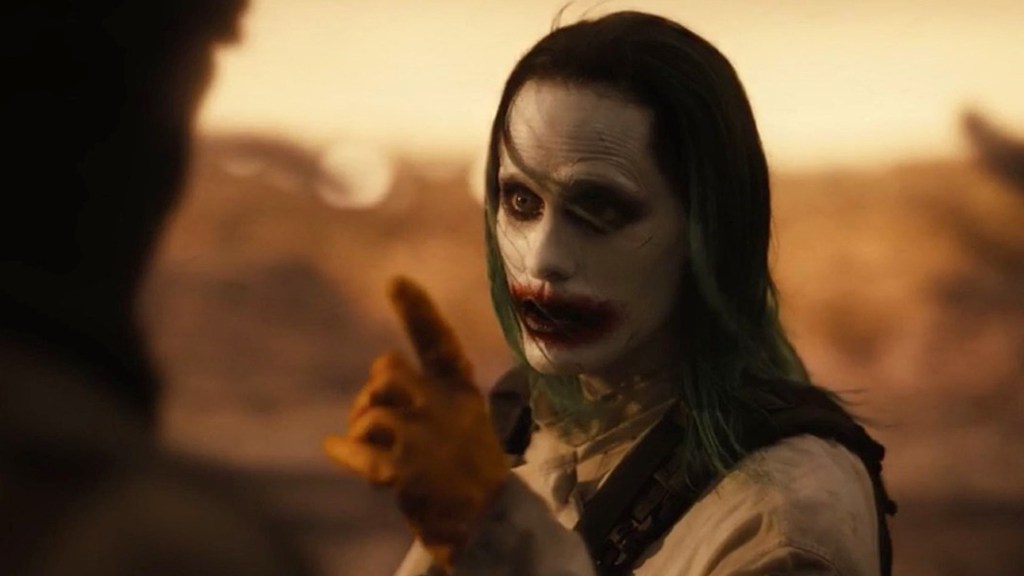
Jared Leto’s Joker is the most wasted character of the Snyderverse due to a combination of controversial aesthetic choices and a complete lack of narrative context. Whether he was appearing as a tattooed crime lord in Suicide Squad or a long-haired survivor in the Knightmare sequence of Zack Snyder’s Justice League, the character never managed to establish the definitive rivalry with Batman that is essential to the DC mythos. Instead of being the philosophical opposite of Bruce Wayne, this Joker felt like an experimental departure that relied on shock value rather than the calculated chaos that defines the Clown Prince of Crime.
The fragmented nature of the Snyderverse also meant that audiences never saw a full confrontation between the arch-enemies, leaving a massive void in the center of Gotham’s history. Even though the Joker had multiple interpretations since then, across movies and TV shows, he remains Batman’s most iconic foe, and any take on the Dark Knight must consider the villain’s role. Gunn’s DCU has the perfect opportunity to restore the character to his traditional roots, focusing on the psychological warfare and theatrical brilliance that make him one of the greatest villains in fiction.
Which Snyderverse character do you think James Gunn and Peter Safran should prioritize for a complete reboot in the new DCU? Leave a comment below and join the conversation now in the ComicBook Forum!
Most Viewed
-
Image courtesy of MAPPA -

Image courtesy of Daybreak Game Company