The Marvel Cinematic Universe has spent nearly two decades adapting dozens of antagonists from the expansive pages of Marvel Comics, translating them into a unified storytelling ecosystem. This expansive slate of movies and television programs has utilized various archetypes, ranging from world-ending cosmic threats to grounded corporate rivals. While the early phases of the MCU often faced criticism for a perceived villain problem, as antagonists often got killed and failed to leave a lasting impact, the longevity of the brand has allowed many of these characters to evolve beyond their initial appearances and even be redeemed. As we prepare for the release of Avengers: Doomsday in December 2026, a production that marks the beginning of the end for the Multiversal Saga, evaluating the foundations of the MCU helps us understand the current state of the franchise.
Videos by ComicBook.com
By looking back at the main villains of the first 10 MCU films, we can identify which characters successfully maintained their integrity and which faded into obsolescence. Since Loki (Tom Hiddleston) served as the primary antagonist twice during this initial run, we are extending our analysis to the first 11 movies to account for 10 unique villainous legacies. This ranking prioritizes historical impact, narrative continuity, and the ability of these characters to influence the broader trajectory of the MCU as it heads toward a final multiversal confrontation.
10) Ivan Vanko
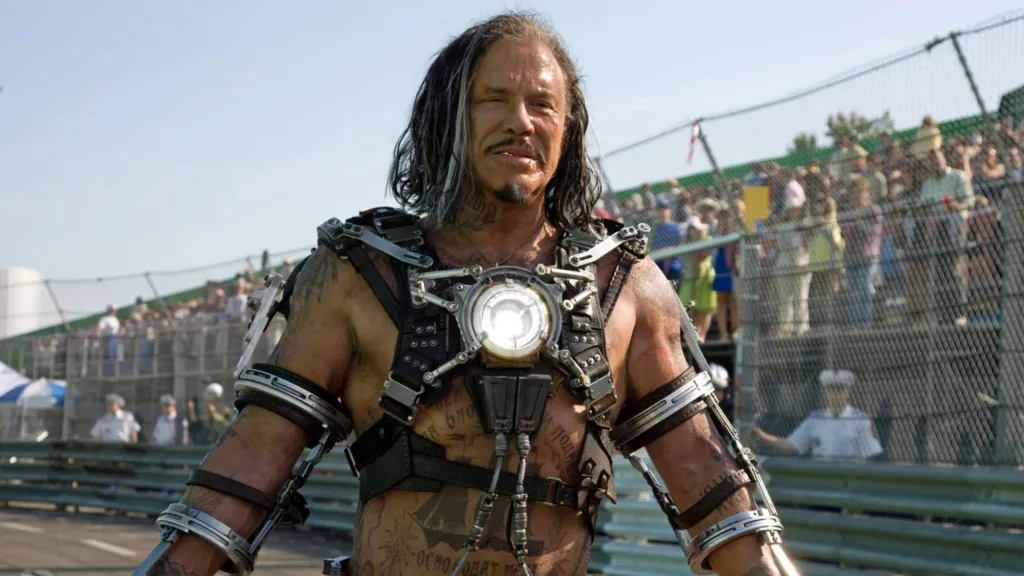
Ivan Vanko (Mickey Rourke) serves as a primary example of the MCU’s early reliance on antagonists who functioned as mirrors to the protagonist. In Iron Man 2, the narrative positioned the Russian physicist as a vengeful ghost from the Stark family’s past, utilizing a gritty and low-tech aesthetic to contrast with the polished armor of Tony Stark (Robert Downey Jr.). However, despite a memorable debut at the Monaco Grand Prix, Vanko’s arc suffered from a fragmented script that split focus between his personal vendetta and the corporate schemes of Justin Hammer (Sam Rockwell).

Iron Man 2‘s lack of a singular threat resulted in a climax that felt like a generic drone exercise rather than a pivotal moment in Tony Stark’s journey. As a result, outside of a brief multiversal glimpse in the What If…? animated series, the impact of Vanko on the broader MCU remains nonexistent. Not coincidentally, Justin Hammer has been just as absent from the larger franchise, with the exception of a cameo in the short All Hail the King.
9) Malekith
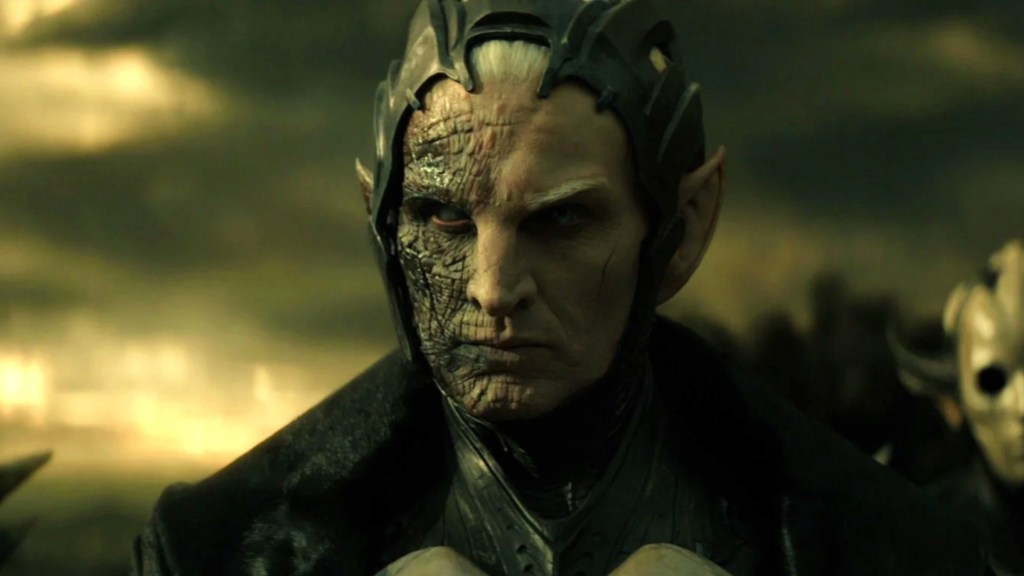
Malekith (Christopher Eccleston) is often cited as a villain wasted by the MCU, yet his role in Thor: The Dark World provided a critical foundation for the Infinity Saga. His primary legacy is the introduction of the Aether, the first Infinity Stone to be explicitly identified as a remnant of the universe’s creation, setting the stage for the cosmic stakes of Avengers: Infinity War. Additionally, Malekith’s invasion of Asgard resulted in the death of Frigga (Rene Russo).
Frigga’s death was a pivotal event that forced a high-stakes truce between Thor (Chris Hemsworth) and Loki (Tom Hiddleston)—an alliance that continues to define both Asgardians well into the Multiversal Saga. In addition, Malekith’s aesthetic and the threat of the Dark Elves were briefly revisited in Season 2 of the animated series What If…?, but the character himself has not returned to a major role. Still, Malekith’s actions are still relevant enough for him to avoid the last place in this ranking.
8) Obadiah Stane
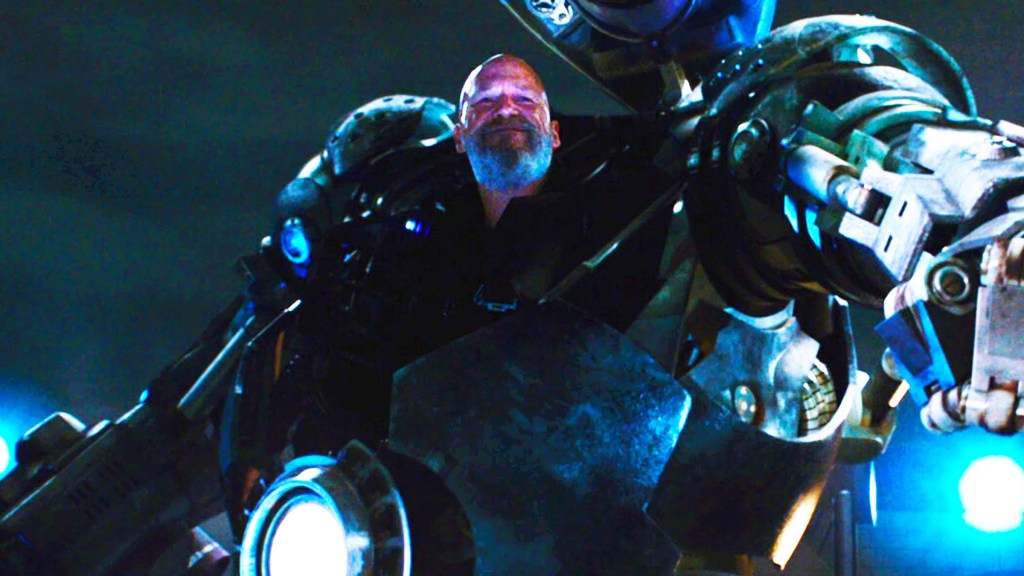
Obadiah Stane (Jeff Bridges) serves as the foundational antagonist of the MCU, having pushed Tony Stark to abandon weapons manufacturing and embrace his role as a hero. While Stane died in Iron Man, his industrial shadow has persisted longer than anyone could have guessed. His impact was reinforced in Spider-Man: Far From Home, where former Stane employee William Ginter Riva (Peter Billingsley) returned to facilitate the deception of Mysterio (Jake Gyllenhaal) using repurposed Stark technology.
Most recently, the Ironheart television series directly expanded his history through the introduction of his son, Ezekiel Stane (Alden Ehrenreich). Initially introduced under the alias Joe McGillicuddy, Ezekiel revealed his true parentage to Riri Williams (Dominique Thorne) after she discovered his father’s ashes. By positioning a Stane descendant within the modern tech-war of the MCU, the franchise ensures its first villain remains relevant nearly twenty years later.
7) Aldrich Killian

Aldrich Killian (Guy Pearce) initially appeared to be a one-off corporate antagonist whose primary goal was to dismantle the life of Tony Stark in Iron Man 3. By utilizing the Extremis virus and a theatrical ruse involving the Mandarin, Killian positioned himself as a shadowy puppet master of global terrorism. While the character was killed during the film’s climax, the legacy of his deception has persisted through multiple phases of the MCU.
By introducing the concept of a fake Mandarin, Killian’s actions eventually led Marvel Studios to the reveal of the real villain, Xu Wenwu (Tony Leung), solving one of the biggest loose threads left by the Infinity Saga. On top of that, the most significant byproduct of Aldrich’s scheme was the failed actor Trevor Slattery (Ben Kingsley), who returned in the short film All Hail the King and later played a vital role in Shang-Chi and the Legend of the Ten Rings. Now, the release of the Wonder Man television series continues this thread, as Trevor Slattery returns once again to navigate the bizarre intersection of superhero culture and Hollywood vanity.
6) Ronan
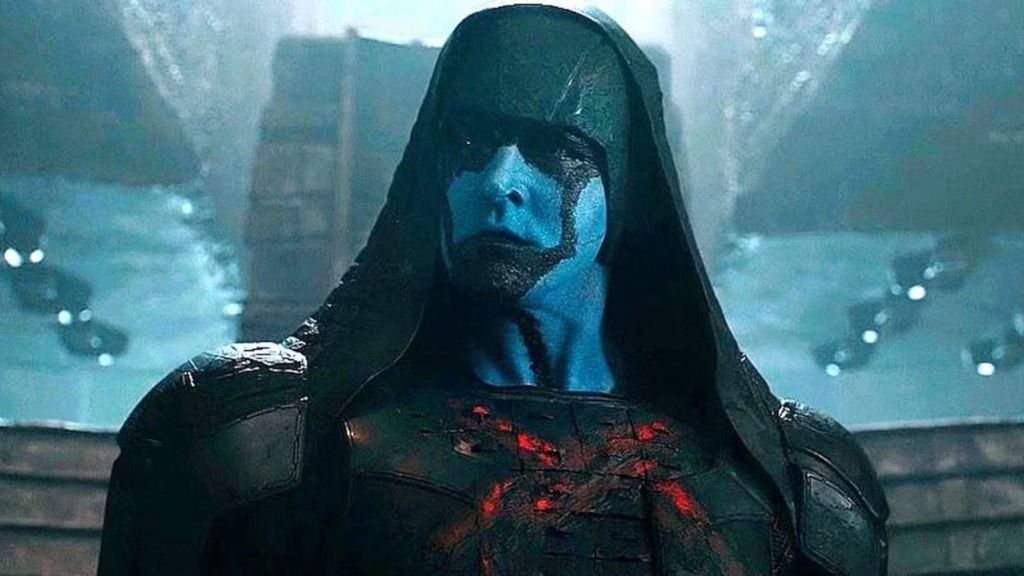
Ronan (Lee Pace) serves as the primary engine for the Marvel Cinematic Universe’s initial expansion into deep space. As the fanatical antagonist of Guardians of the Galaxy, he represented a radical sect of the Kree Empire that refused to accept a peace treaty with Xandar. While his defeat via a dance-off became a point of contention for some viewers, Ronan’s legacy is bolstered by his connection to the Power Stone and his early defiance of Thanos (Josh Brolin), which helped set the stakes for Avengers: Infinity War.
The villain’s characterization was further developed in Captain Marvel, where a younger Ronan appeared as a high-ranking military commander leading the Accusers. By depicting his involvement in the Kree-Skrull war, the production provided essential historical context for his eventual radicalization. Additionally, the animated series What If…? utilized the character to explore alternate realities where his military might went unchecked, and what it would mean for the Kree Empire. These appearances ensure that the Accuser remains a central figure in the lore of the Kree civilization across multiple eras of the franchise.
5) Abomination
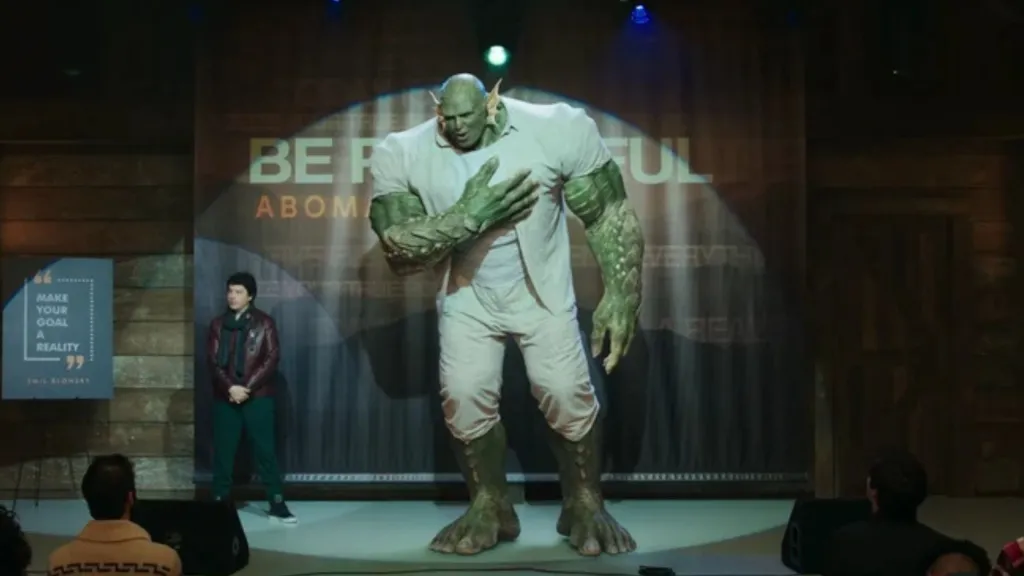
Emil Blonsky (Tim Roth) originated as a mirror to the raw power of the Hulk, serving as the main antagonist in The Incredible Hulk. For over a decade, the character existed primarily as a piece of forgotten lore, relegated to off-screen mentions regarding his imprisonment following the battle in Harlem. This changed dramatically when the character made a surprising appearance in an underground fighting tournament during Shang-Chi and the Legend of the Ten Rings. This return successfully recontextualized the villain as a more nuanced figure, a transition that was fully explored in She-Hulk: Attorney at Law.

By depicting Blonsky as a reformed spiritual guru seeking legal redemption, She-Hulk utilized his history to explore the complexities of superhuman incarceration and public perception. As a result, Blonsky’s evolution from a feral monster into a self-aware supporting character demonstrates the MCU’s ability to find value in its earliest productions, turning a once-flat villain into a recurring element. Finally, the Abomination’s return in Marvel Zombies confirms the character will remain relevant as the franchise moves forward.
4) Red Skull
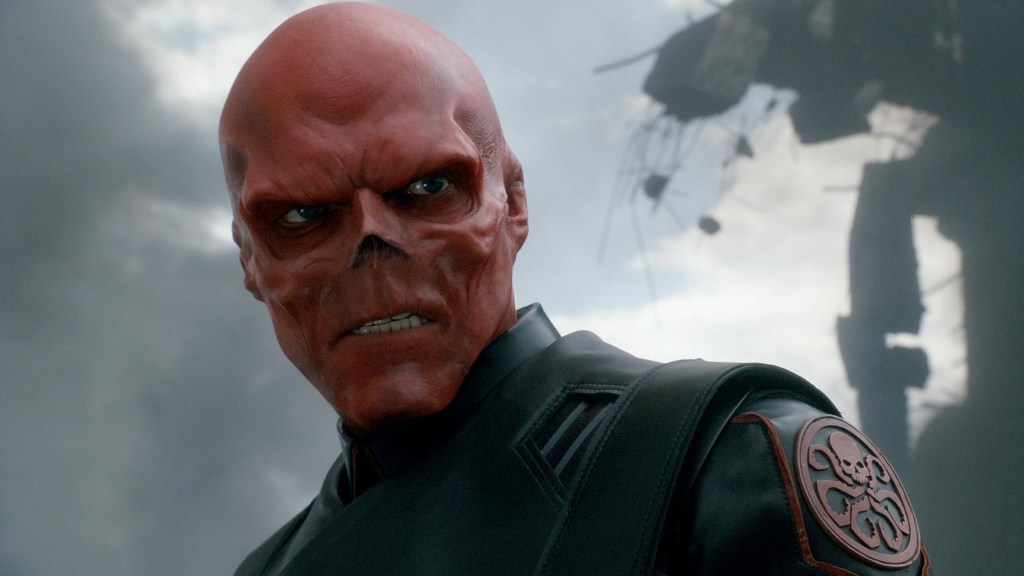
The Red Skull’s limited screen time in the MCU didn’t prevent the villain from being a key part of its overarching storyline. Played by Hugo Weaving in Captain America: The First Avenger, Johann Schmidt first represents the ideological antithesis of Steve Rogers (Chris Evans). However, by founding Hydra, Schmidt created a villainous entity that survived long after his apparent death in Captain America: The First Avenger. The subsequent revelation that his top scientist, Arnim Zola (Toby Jones), grew Hydra like a parasite inside SHIELD provided the primary conflict for multiple films and television series, including Captain America: The Winter Soldier, Agents of SHIELD, and even Avengers: Age of Ultron.
The Red Skull himself made a shocking return as the Stonekeeper on Vormir in Avengers: Infinity War and Avengers: Endgame, now voiced by Ross Marquand. In this new role, the character served as a cosmic witness to the sacrifices of the Avengers, directly participating in the events leading to the deaths of Black Widow (Scarlett Johansson) and Gamora (Zoe Saldaña). This transformation from a world-conquering tyrant to a cursed immortal provides the Red Skull with a mythic weight that few other villains can match.
3) Ultron
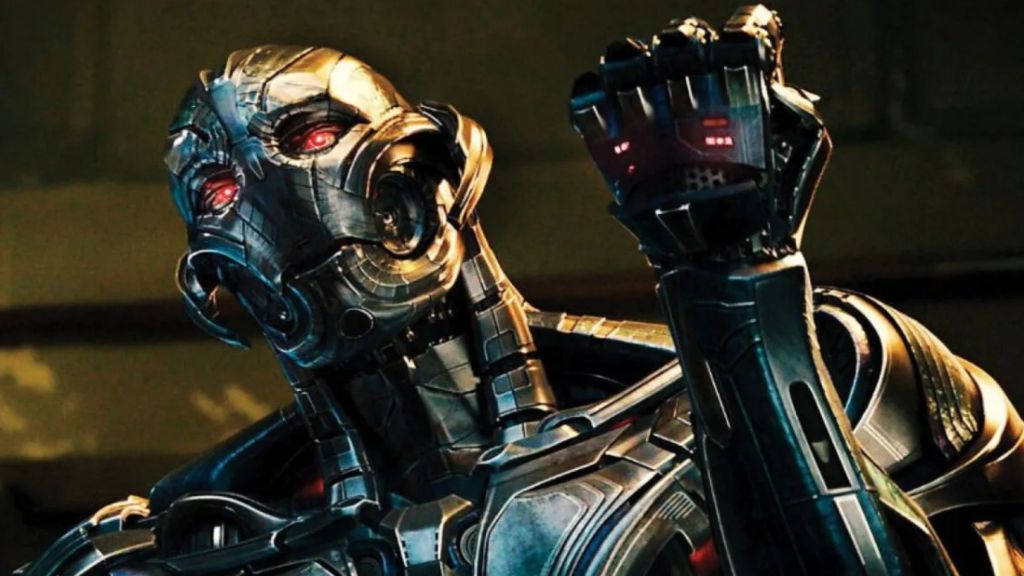
Ultron (voiced by James Spader) stands as one of the most consequential antagonists in the history of the franchise, as his mechanical reach extends far beyond the events of Avengers: Age of Ultron. Created as a misguided global defense initiative by Tony Stark and Bruce Banner (Mark Ruffalo), the sentient AI became the primary catalyst for the destruction of Sokovia and the birth of the Sokovia Accords, a legislative move that served as the central conflict of Captain America: Civil War and fractured the Avengers for years. Furthermore, Ultron’s legacy persists through the creation of Vision (Paul Bettany), whose ongoing journey remains a pillar of the Multiversal Saga.
The MCU relevance of Ultron has only grown through the expansion of the multiverse. The first season of the animated series What If…? reimagined the villain as an omnipotent threat capable of dismantling entire realities, demonstrating the terrifying scale of his programming. More importantly, the character is set to make a high-profile return to live-action in the upcoming 2026 VisionQuestion series. By bringing back the original voice actor to reprise the role, Marvel Studios ensures that Ultron remains a persistent digital ghost within the machinery of the modern MCU.
2) The Winter Soldier

The transformation of Bucky Barnes (Sebastian Stan) from a loyal soldier into the brainwashed assassin known as the Winter Soldier remains one of the most emotionally resonant arcs in the entire MCU. As the primary antagonist of Captain America: The Winter Soldier, Bucky functioned as a physical manifestation of the trauma and betrayal that eventually led to the collapse of SHIELD, one of the biggest changes in the franchise’s status quo. After that, his actions were the direct catalyst for the dissolution of the Avengers in Captain America: Civil War, as his past crimes created an irreconcilable rift between Tony Stark and Steve Rogers.
Unlike many other early villains, Bucky’s journey continued through a long-term redemption arc spanning Avengers: Infinity War, Avengers: Endgame, and the television series The Falcon and the Winter Soldier. Furthermore, he is a recurring figure in Marvel Studios’ animated series, like What If…?. Finally, Bucky’s recent leading role in Thunderbolts* and his participation in the upcoming Avengers: Doomsday highlight his status as one of the most durable and significant characters in the Marvel library.
1) Loki
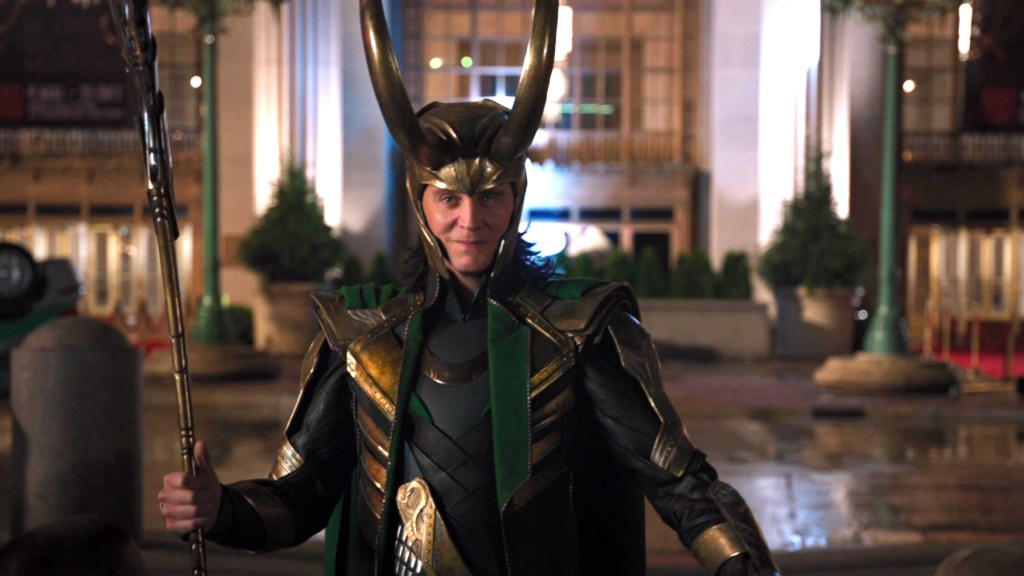
Loki (Tom Hiddleston) is the only antagonist from the first 11 MCU films to serve as a direct threat in two separate theatrical releases, anchoring the conflict in both Thor and The Avengers. In his cinematic debut, Loki’s initial rivalry with Laufey (Colm Feore) and his subsequent discovery of his Frost Giant heritage established the complex familial motivations that have defined his character for over a decade. On top of that, by leading the Chitauri invasion of New York, Loki officially initiated the Thanos arc, serving as the first herald of the Infinity Stones on Earth.
While the main timeline version of the character died in Avengers: Infinity War, the God of Mischief’s MCU story was expanded through a multiversal variant in the Loki television series. This production transformed him into the most critical figure in the current MCU, as Loki evolved into the God of Stories at the center of the Temporal Loom. As the franchise heads toward Avengers: Doomsday, Loki’s control over the branches of reality makes him the foundational anchor for everything that follows.
Which villain from the earliest days of the MCU do you believe will have the most impact in the franchise’s future? Leave a comment below and join the conversation now in the ComicBook Forum!
Most Viewed
-

Courtesy of Sony Pictures Animation / McDonald's -

Courtesy of TOHO Animation