The lightsaber is the signature weapon for both the Jedi and Sith in the Star Wars universe. Ever since Luke first activated his father’s iconic lightsaber in A New Hope, this elegant weapon for a more civilized age has been synonymous with the Jedi Order and their ideals of hope and heroism. Acting as both a shield and a sword, the lightsaber is a tool for protection and defense as much as it is for cutting down enemies. While any random person can conceivably pick up the lightsaber, turn it on, and swing it, it takes a Force user many years of intense study, discipline, and training to achieve the instrument’s full potential. To this end, Force users study lightsaber forms, specialized martial arts that draw out the lightsaber’s full power. Mastering one or several of these is the key to a Force user’s survival in a galaxy far, far away.
Videos by ComicBook.com
There are 7 ancient lightsaber forms endorsed by the Jedi Council and practiced by Force users, and each one comes with its own different strengths and weaknesses. While some forms are tailored for one-on-one duels against another lightsaber-wielding opponent, other forms are better suited for defense against a flurry of blaster fire. By examining the lightsaber forms, as well as those who use them, we can gain a deeper understanding of the Force and the ways of the Jedi and Sith.
Form I: Shii-Cho
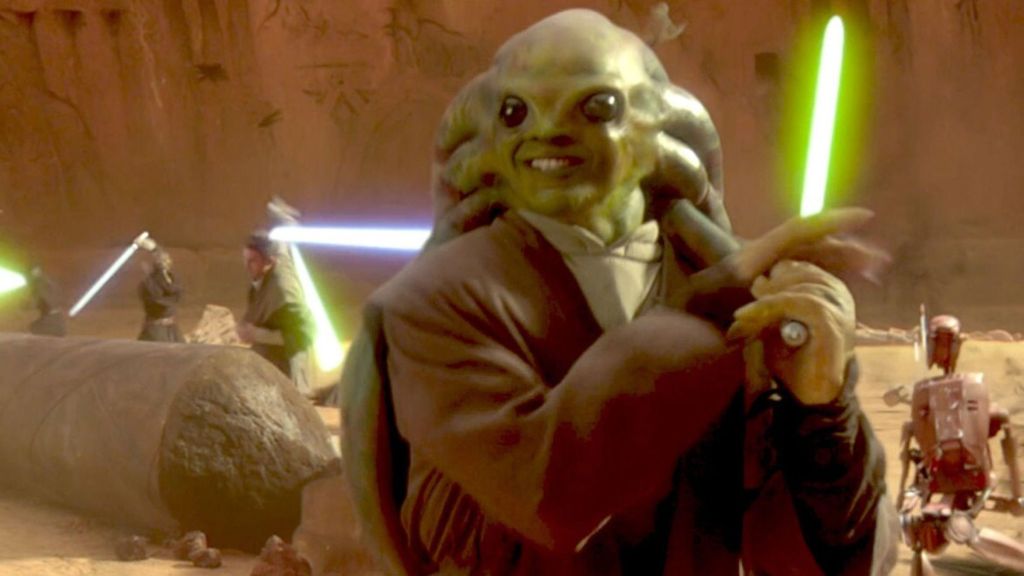
The first lightsaber form ever developed arrived long before the Sith. Shii-Cho, “The Determination Form”, represents the lightsaber arts in their most basic state. This fundamental lightsaber style is often used for training padawans, and is the first form most Jedi learn while in training. Before the Sith arrived, Jedi seldom encountered another lightsaber-wielding opponent, so this form was developed without lightsaber combat in mind.
Despite this drawback, in the hands of a master it can still be extremely effective. Kit Fisto was a master of it and utilized its strength quite effectively throughout the Clone Wars. Shii-Cho is most similar to traditional sword fighting, favoring aggressive and controlled attacks.
Form II: Makashi
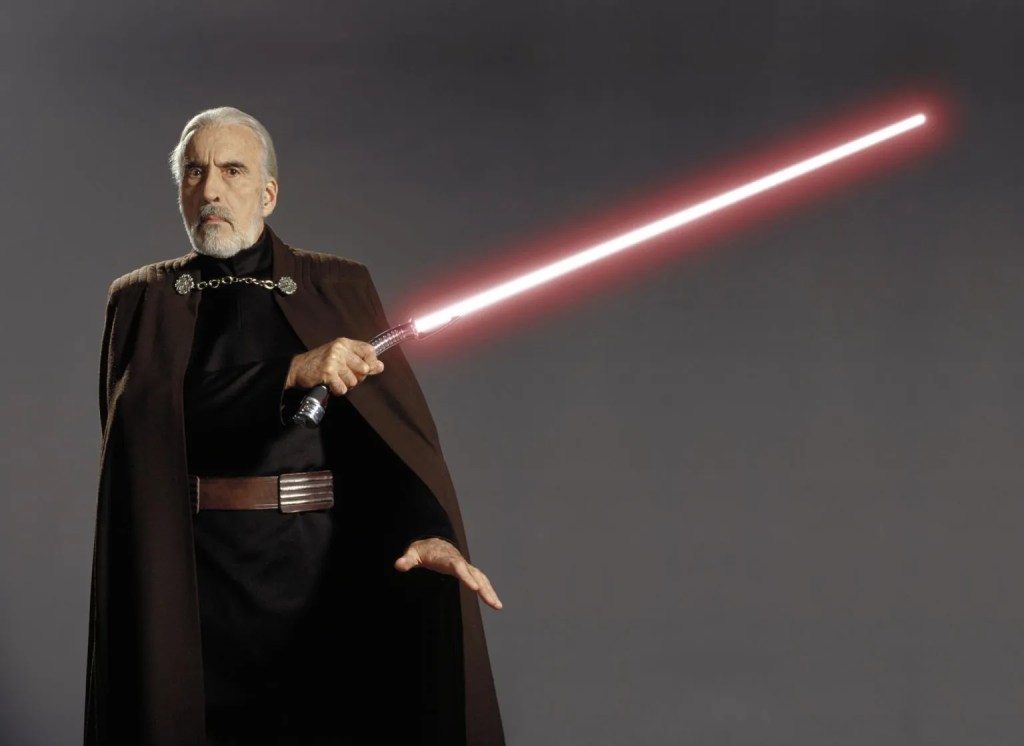
With the arrival of the Sith came the advent of lightsaber duels. Until then, Jedi alone wielded lightsabers, so the odds of them encountering one in a duel were slim. The arrival of the Sith and the danger they posed to the Jedi changed that, so a new form had to be developed to counter their new enemies.
Makashi is a graceful and aggressive style best suited for one-on-one lightsaber duels. This surgical style of combat is well known for its precise strikes and disarming of opponents. Count Dooku was a master without peer when it came to Form II, earning him a reputation as one of the most deadly duelists in the galaxy. While incredibly effective in duels, this form was vulnerable to projectiles, a weakness that would be addressed by other forms.
Form III: Soresu

For an intellectual and more strategic approach to combat, many Jedi preferred Form III, otherwise known as Soresu or “The Resilience Form”. Emphasizing defense rather than offense, this form was developed in response to the growing popularity of blasters across the galaxy, and was effective at deflecting blaster bolts as well as in close-quarters combat.
Jedi using this form tended to have a more tactical approach to combat, focusing on keeping their guard up while identifying enemy weak points. The defensive stance would allow a Jedi to parry and block their opponent’s attack, wearing them down till the enemy left themselves wide open. Soresu was famously used by Obi-Wan Kenobi; a fitting style for the Jedi who valued protecting and helping others over aggression and violence.
Form IV: Ataru

Ataru, or “The Aggression Form”, is one of the most highly specialized lightsaber forms, requiring a high degree of Force proficiency to master. This overwhelming, acrobatic style focuses almost entirely on offense to end the fight as quickly as possible. Form IV draws power from the Force to enhance movements, making the wielder faster and letting them strike harder against an enemy. Difficult to master but incredibly powerful, Ataru is a form reserved only for the most powerful of Jedi.
It is no surprise then that Jedi Master Yoda was a master of it. In Attack of the Clones and Revenge of the Sith, Yoda demonstrated his proficiency with Ataru, effortlessly leaping around the battlefield while delivering rapid fire attacks. Like other masters of this form, Yoda is incredibly aggressive, never giving his opponent a chance to breathe in the fight.
Form V: Shien/Djem So

Form V is a combination of two combat disciplines, Shien and Djem So. Djem So as a discipline is focused on repelling enemy attacks with parries, leaving them wide open for powerful counterattacks. The Shien discipline builds off Djem So but incorporates a reverse-grip style that was particularly effective at reflecting blaster fire back at enemies. Utilizing both these disciplines, Form V focused on controlling the flow and momentum of battle, so that its wielder maintains the upper hand.
Ashoka Tano popularized the Shien variant of Form V, but it was her former master who would most effectively wield Djem So, both as Anakin and later as Darth Vader. The Dark Lord used Form V to obliterate his opponents, toying with them until he was ready to deliver the death blow.
Form VI: Niman
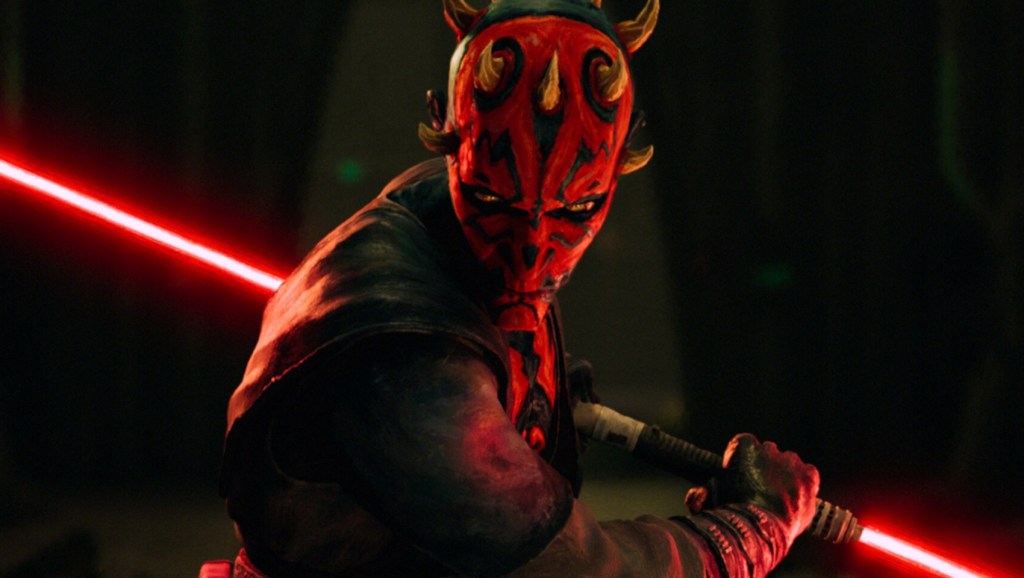
Niman, “The Moderation Form”, is an amalgamation of all the previous forms but with a focus on balance and harmony. This acrobatic style incorporates aggressive Force abilities like Force push and pull into its combat, creating a chaotic and overwhelming fighting style that is difficult to defend against. The well-rounded nature of this style means that it lacks many of the weaknesses of its predecessors, but excels at nothing.
Form VI heavily favors double-bladed lightsabers, as demonstrated by the dreaded Darth Maul. The Sith Lord famously used the chaotic nature of the double-bladed saber in tandem with Form VI to cut down his opponents, leaving many dead on his journey to become Shadow Lord.
Form VII: Juyo/Vaapad
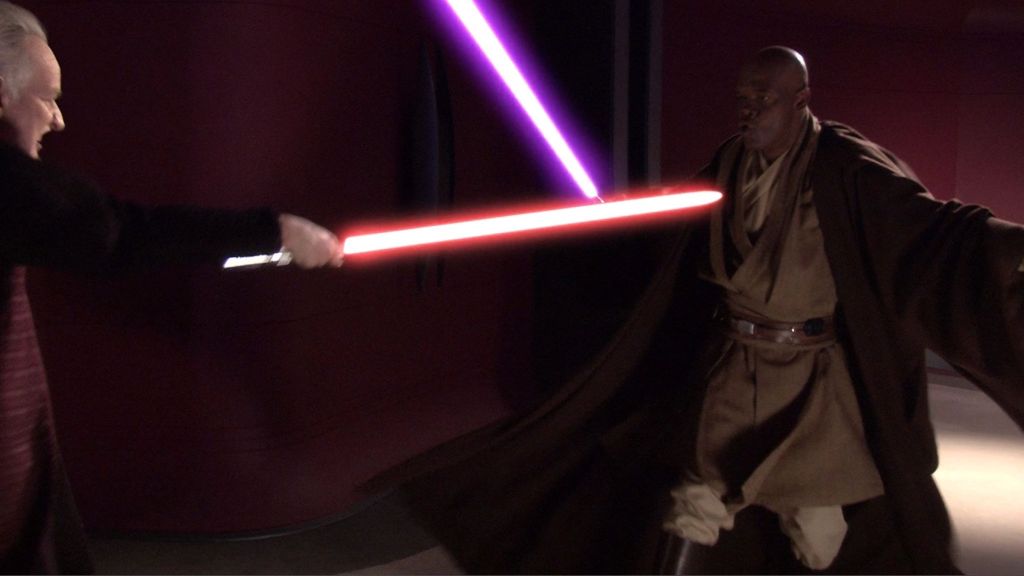
Known as “The Ferocity Form”, Form VII is often considered the most dangerous and controversial of the lightsaber forms, and was forbidden long ago by the Jedi Council. Only in rare instances and special occasions did the Council bend their stance toward this unpredictable fighting stance, and always with much reservation. Similar to Form V, Form VII is composed of two disciplines that are the key to its power.
The Juyo discipline draws from intense emotion like anger and passion and channels it through its users in combat. Relying on this emotional state was incredibly dangerous, for as powerful as it made the user in combat, it made them equally as susceptible to the dark side. This combat form relied on the very same emotions that the Jedi Council warned against, leading to its controversial status. It is no surprise, then, to learn this was the form and discipline used by Emperor Palpatine/Darth Sidious in his war against the Jedi.
The Vaapad discipline was developed by Mace Windu, who wanted to harness this power to better control his own darkness, rather than let it control him. Through great practice and self-control, Windu was able to mold the form so that it would draw out his inner passions but prevent him from giving in to them. His mastery over this technique made him a terrifying enemy on the battlefield and is what earned him the reputation as one of the most powerful Jedi Warriors the galaxy had ever seen.
You can stream Star Wars content on Disney+.
More Movies
-

Official art by Bastien Lecouffe-Deharme