Zombies have been a giant part of the entertainment zeitgeist ever since George Romero decided to create the walking undead in his now legendary independent horror movie, Night of the Living Dead. Ever since, the horror genre has spawned some major heavy hitters in the shambling monstrosities, with the likes of The Walking Dead, Zombieland, Dawn of the Dead, and Train to Busan being just a few examples. To no one’s surprise, 2026 has some zombie projects planned to be unleashed on the screen, but unfortunately, the first undead picture to sprint out of the gate has a different problem than many of its cohorts.
Videos by ComicBook.com
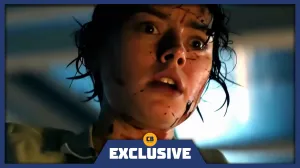
We Bury The Dead is a zombie movie starring Star Wars’ Daisy Ridley, examining a unique situation in this fictional world. Thanks to a U.S. government experiment gone awry, the island of Tasmania’s residents, human and animal alike, have had their brains shut off. This leaves the vast population of creatures dead and rotting on the streets, except for a few examples that become more of the traditional zombies that we have come to know. Ridley’s character, Ava Newman, is dead set on finding her husband, who was on a business trip, volunteering her services to clear out the corpses in an effort to get closer to her deceased soulmate.
Viewers follow Ava as she encounters an island of death, coming to grips with the scores of corpses while also fighting off a few examples of the undead. The story in itself is a heartfelt one, examining Daisy Ridley’s protagonist as she attempts to come to grips with her loss while also fighting for her life. Unfortunately, where the main problem lies in the film is what many viewers might have expected based on the marketing. Zombie movies are typically dissections of an apocalyptic scenario where anyone, friends and family alike, can become a ghoul seeking to eat your flesh. We Bury The Dead, however, is not that kind of movie, and that can be a serious problem for many.
We Bury Our Grief
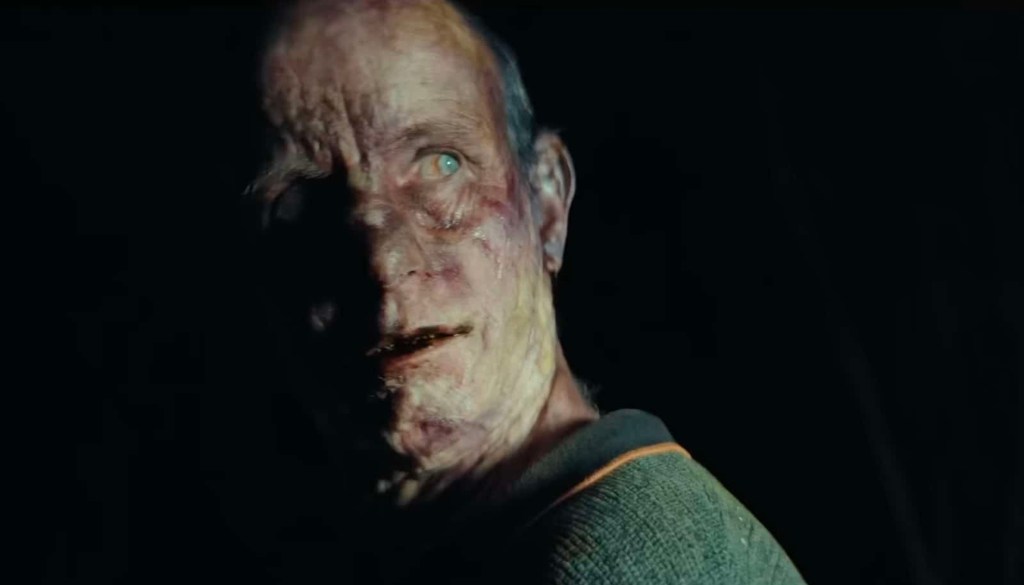
Warning. To truly break down some of the problems with We Bury The Dead, we’ll need to touch upon slight spoilers for the rest of the write-up. In the film, there are around three honest-to-goodness “zombie attacks” that I personally witnessed during the runtime. This isn’t to say that, since it lacks a glut of action scenes involving the undead, that it isn’t a good movie. The film itself is what is called a “slow burn,” taking time to follow Ava as she encounters the undead who are, for the most part, creepy yet solemn and harmless. There are some undead here that, while they don’t attack anyone, they are some of the creepiest examples of zombies I’ve seen on film.
One specific example of this tactic of Ridley coming face-to-face with the undead is in a later scene in We Bury The Dead. In it, Ava stumbles upon a zombie that is literally digging its own grave. When the heroine sees the shambling corpse, it gives her a look of sympathy, steps into its grave, and waits for Ava to deliver a final blow. While not a scary scene, it’s a heartwrenching one and goes to show the solid storytelling of parts of this world.
Unfortunately, when it comes to one of We Bury The Dead’s biggest flaws is in its marketing. Selling a zombie movie that doesn’t exactly have that many zombie attacks is a hard sell, which is obviously why trailers needed to focus on some of the scarier moments that took place during the runtime. There have been other examples of this in media, specifically a horror film titled “It Comes at Night.” The 2017 horror film had marketing and trailers that highlighted zombies with black ooze flowing out of their mouths, but these undead were shown in the movie to only be a dream. This had many viewers turn on the film, which was ultimately a movie that saw families attempting to survive in the wild within a world that was on the brink.
On Rotten Tomatoes, We Bury The Dead sits with an 83% rating from critics, but for the audience score, it sits at 47% as of the writing of this article. If a film is sold as a fast-paced zombie epic to an audience, but turns out to be a more introspective, thoughtful yarn, can the audience be blamed for walking away, not getting what they had expected? It’s a big problem with the marketing of some films, and 2026’s first zombie movie seems to suffer greatly from it.
What do you think? Leave a comment below and join the conversation now in the ComicBook Forum!
Most Viewed
-
Courtesy of Crunchyroll / Sony Pictures -
Image Courtesy of Ufotable -

Courtesy of TOHO Animation